


One new feature of the autonomous driving capabilities making their way into new vehicles is an in-vehicle camera that is intended to make sure the driver is paying attention to the road. Most automakers that offer self-driving systems use closed-loop cameras that do not record, save or transmit data or video to the automaker or anyone else.
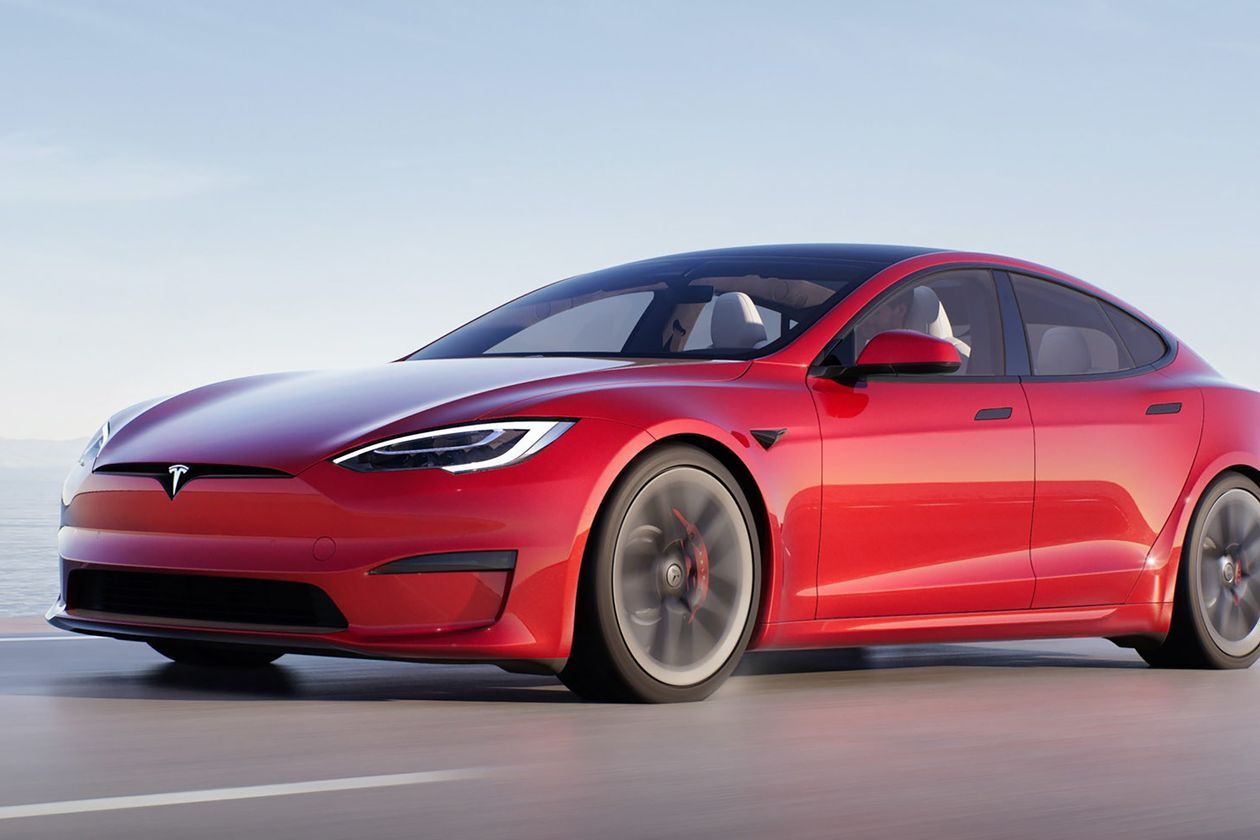
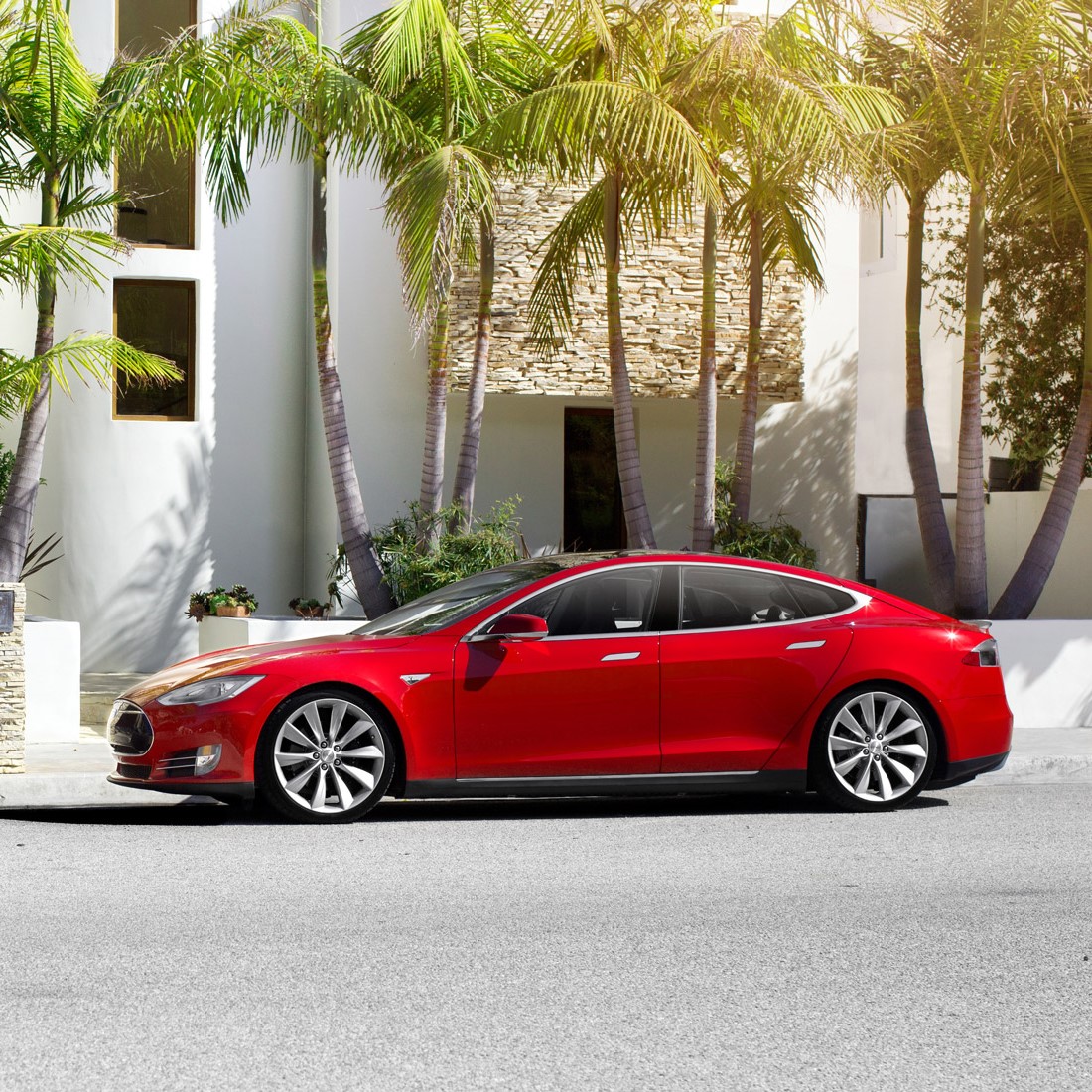
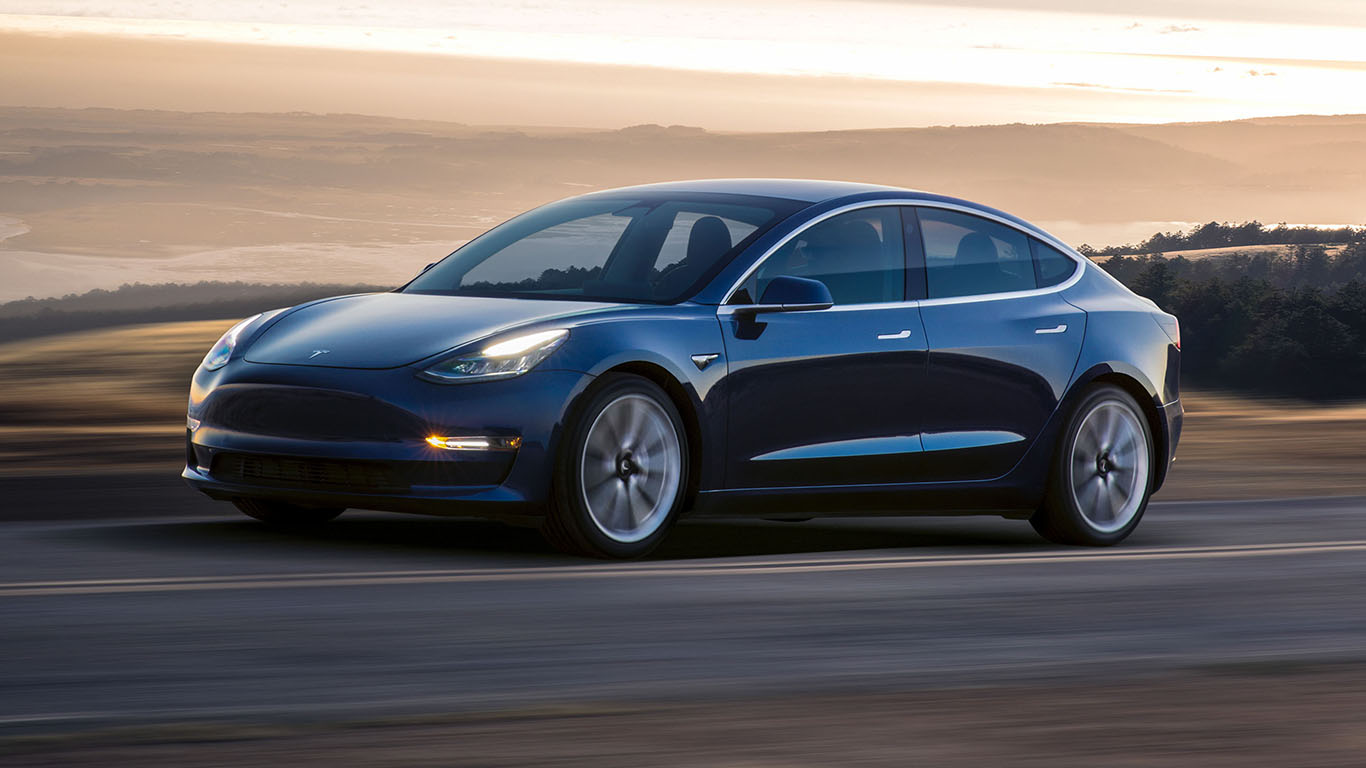
According to Consumer Reports, an exception is Tesla Inc. (NASDAQ: TSLA | TSLA Price Prediction). The company’s Model 3 and Model Y vehicles include a driver-facing camera that Tesla calls the cabin camera. It can record video and share it with the company. The camera is turned off by default, but the company says in its software release notes and on its website that if the camera is activated, Tesla “will use the camera to capture and share images and video of a crash or other safety-related incident” with the company.
[in-text-ad]
It is arguable whether that’s solely a safety feature. Kelly Funkhouser, the magazine’s program manager for vehicle interface testing, said that Tesla may be using its cabin camera for other reasons:
We have already seen Tesla blaming the driver for not paying attention immediately after news reports of a crash while a driver is using Autopilot. Now, Tesla can use video footage to prove that a driver is distracted rather than addressing the reasons why the driver wasn’t paying attention in the first place.
[nativounit]
John Davisson, senior counsel at the Electronic Privacy Information Center (EPIC), has a different concern about Tesla’s cabin camera:
Any time video is being recorded, it can be accessed later. … There may be legal protections around who can access it and how, but there’s always the possibility that insurance companies, police, regulators, and other parties in accidents will be able to obtain that data.
Davisson also noted that while Tesla claims the footage is not identifiable by vehicle identification number (VIN), the faces of a vehicle’s other occupants may be visible and those people may not have consented to be recorded. He cites the way Tesla responds to participants who are testing the company’s Full Self-Driving system where the cars are identifiable and Tesla can cancel a driver’s participation if it chooses. If Tesla’s system can do that, the same system also raises other privacy concerns.
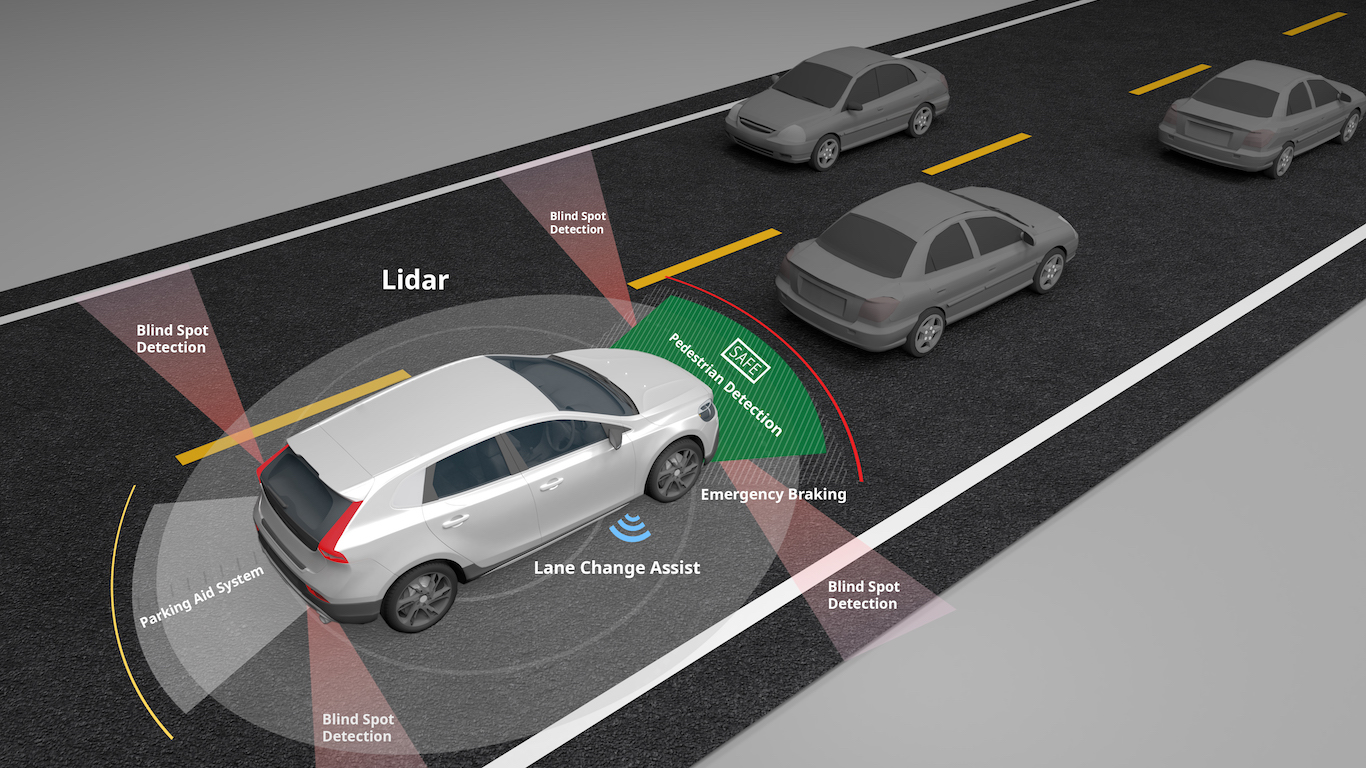
The closed-loop monitoring systems used by other carmakers like BMW, GM, Ford and Subaru use infrared sensors or cameras that monitor the driver’s head position and eye movement and issue some kind of warning signal if the system detects that the driver is nodding off or is otherwise distracted. None of these systems records or captures images, nor do the systems transmit recordings or images to the automaker.
Consumer Reports’ head of safety policy, William Wallace, commented:
Advanced features in cars can bring consumers enormous benefits, but it’s important for our laws to make sure that automakers put people ahead of their bottom line. Automotive innovation must come hand-in-hand with strong and sensible consumer protections.
He noted a bill currently being considered by the California Senate to prohibit certain uses of in-vehicle cameras. Transmitting video recordings from the vehicle would be banned without the owner’s “affirmative written consent.”
Consumer Reports does not mention that closed-loop systems could be reconfigured to behave in the same way that the Tesla system does. It remains a choice made by the manufacturer.
It is worth noting that Consumer Reports has objected to Tesla’s branding of its autonomous driving features with the name Autopilot. The magazine does not like the newer term, Full Self-Driving (FSD), any better.
[recirclink id=855406][wallst_email_signup]






 Top Gaining Stocks
 Top Losing Stocks