Ford Increases Gamble on Aluminum Trucks

Photo of Douglas A. McIntyre
By Douglas A. McIntyre Published
This post may contain links from our sponsors and affiliates, and Flywheel Publishing may receive compensation for actions taken through them.

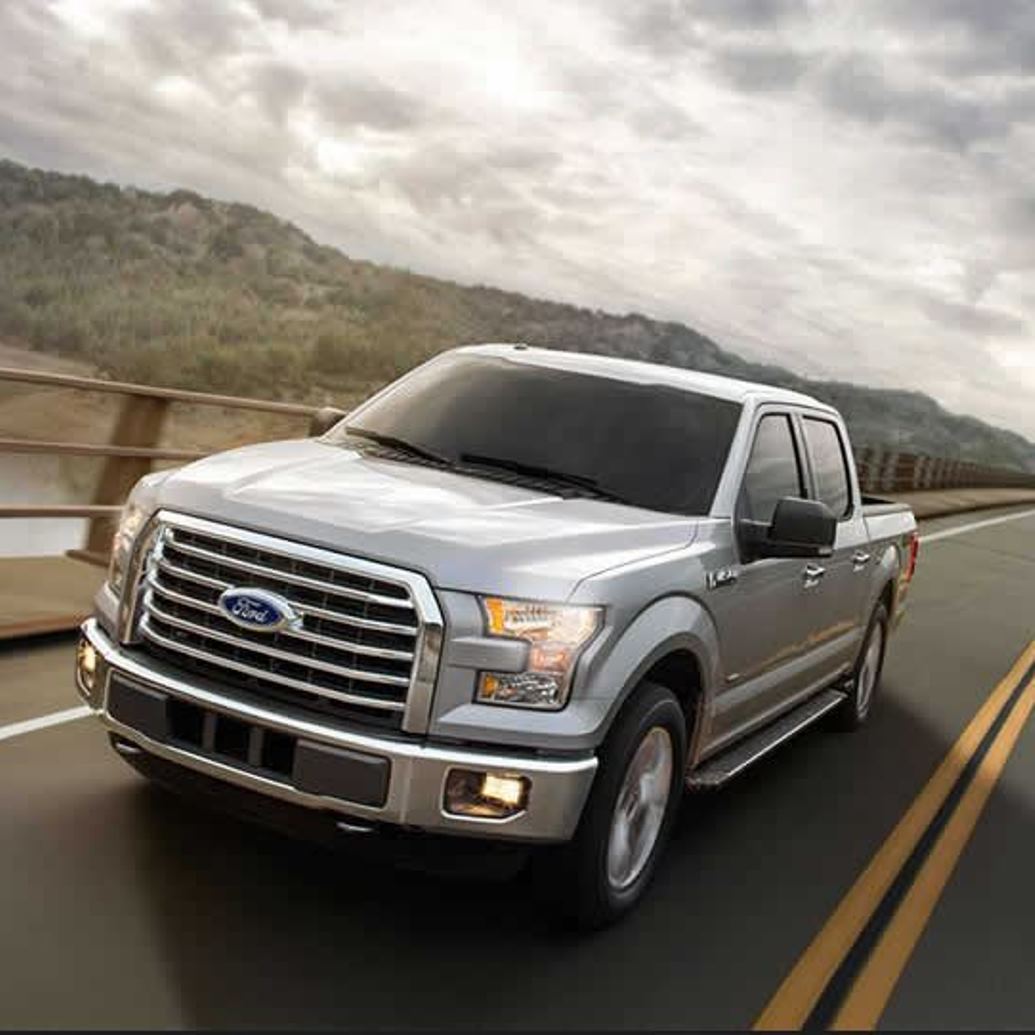
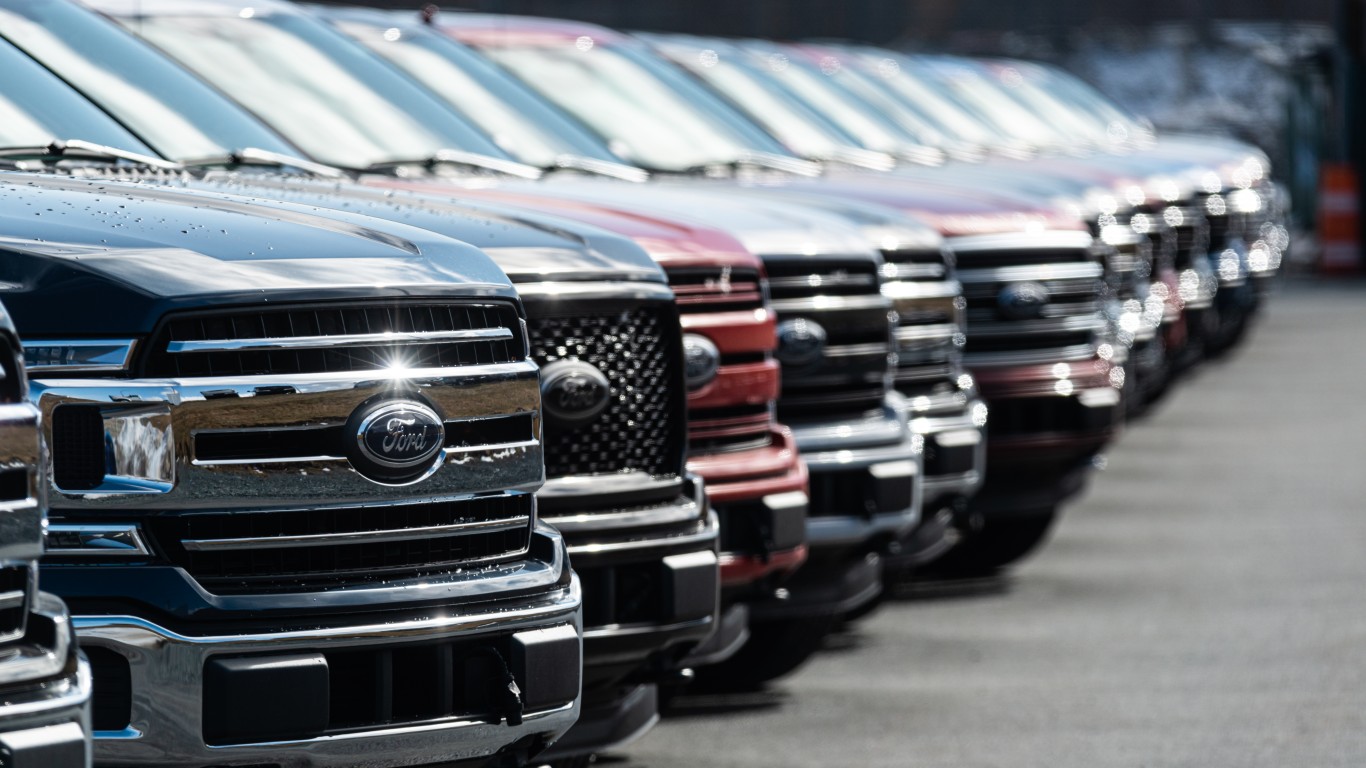
Ford Motor Co. (NYSE: F) began its bet on pickups with partial aluminum bodies with its best-selling F-150. That gamble will extend to its Super Duty product, which is much bigger and carries much heavier loads. The basis of the Ford decision is that aluminum is light, and that cuts gas mileage.

The decision moves the use of aluminum from a popular vehicle that sells across a very broad spectrum of American drivers to a niche model, one that weighs more and targets more people who use trucks for heavy lifting, towing and hauling. Whether these drivers will accept a truck made of something less that all steel is a question that remains open. Ford has had recent success with the aluminum F-150, after sales lagged early in the year. Ford says now that production of the new F-150 has hit its stride, sales will begin to explode. The proof of that will be in the second half of the year.

Ford describes the new product:

The backbone is an all-new, fully boxed frame comprised of more than 95 percent high-strength steel that offers up to 24 times stiffer than the previous frame — enabling the most towing and hauling capability ever delivered by Super Duty. The new truck line features heavier-duty four-wheel-drive components, driveline, axles and towing hardware.

For the first time, the Super Duty body uses high-strength, military-grade, aluminum alloy, which is more dent- and ding-resistant than the outgoing steel body and not subject to red rust corrosion.

Together, high-strength steel and high-strength aluminum alloy help reduce weight by up to 350 pounds while Ford is reinvesting additional weight savings everywhere it counts, to give customers more towing and hauling capability than ever before.

Super Duty chassis cab features an all-new, high-strength steel frame with an open-C-channel design behind the cab to enable easy aftermarket body upfit and modification

Steel has not been abandoned altogether.

The two products have one thing in common. They test the demand for trucks that are not made of traditional materials. Ford believes that consumers will like a gas-saving material, and perhaps one that is stronger than steel, as a reason to buy trucks. Or, just as important, loyal Ford buyers won’t care.


ALSO READ: 10 Cars Most Likely to Be Dumped

Photo of Douglas A. McIntyre
About the Author Douglas A. McIntyre →

Douglas A. McIntyre is the co-founder, chief executive officer and editor in chief of 24/7 Wall St. and 24/7 Tempo. He has held these jobs since 2006.

McIntyre has written thousands of articles for 24/7 Wall St. He is an expert on corporate finance, the automotive industry, media companies and international finance. He has edited articles on national demographics, sports, personal income and travel.

His work has been quoted or mentioned in The New York Times, The Wall Street Journal, Los Angeles Times, The Washington Post, NBC News, Time, The New Yorker, HuffPost USA Today, Business Insider, Yahoo, AOL, MarketWatch, The Atlantic, Bloomberg, New York Post, Chicago Tribune, Forbes, The Guardian and many other major publications. McIntyre has been a guest on CNBC, the BBC and television and radio stations across the country.

A magna cum laude graduate of Harvard College, McIntyre also was president of The Harvard Advocate. Founded in 1866, the Advocate is the oldest college publication in the United States.

TheStreet.com, Comps.com and Edgar Online are some of the public companies for which McIntyre served on the board of directors. He was a Vicinity Corporation board member when the company was sold to Microsoft in 2002. He served on the audit committees of some of these companies.

McIntyre has been the CEO of FutureSource, a provider of trading terminals and news to commodities and futures traders. He was president of Switchboard, the online phone directory company. He served as chairman and CEO of On2 Technologies, the video compression company that provided video compression software for Adobe’s Flash. Google bought On2 in 2009.

Featured Reads

Our top personal finance-related articles today. Your wallet will thank you later.

Continue Reading

Top Gaining Stocks

CBOE Vol: 1,568,143
PSKY Vol: 12,285,993
STX Vol: 7,378,346
ORCL Vol: 26,317,675
DDOG Vol: 6,247,779

Top Losing Stocks

LKQ
LKQ Vol: 4,367,433
CLX Vol: 13,260,523
SYK Vol: 4,519,455
MHK Vol: 1,859,865
AMGN Vol: 3,818,618