


Car sales are one of the first things to dip in a recession, and they are among the first to benefit during a recovery. Yet, despite a doubling of auto sales in the United States since recovery began in 2009, with U.S. car sales levels not seen since 2005, markets have sold off on car makers for the past few years. General Motors Co. (NYSE: GM) is down 24% from its 2015 highs. Ford Motor Co. (NYSE: F) is down 35% since mid-2014.
In Japan, things aren’t any better. Toyota Motor Corp. (NYSE: TM) is down 19% from last year’s peak, and Honda Motor Co. Ltd. (NYSE: HMC) 25% lower across the same period. If the U.S. economy remains strong, and Japan can avoid slipping back into stagnation, which seems all the more likely now that the Bank of Japan has moved the country down into negative interest rates, we could be due a turnaround. But which of these companies looks strongest, and is Japan a better allocation than the United States when it comes to passenger car companies?
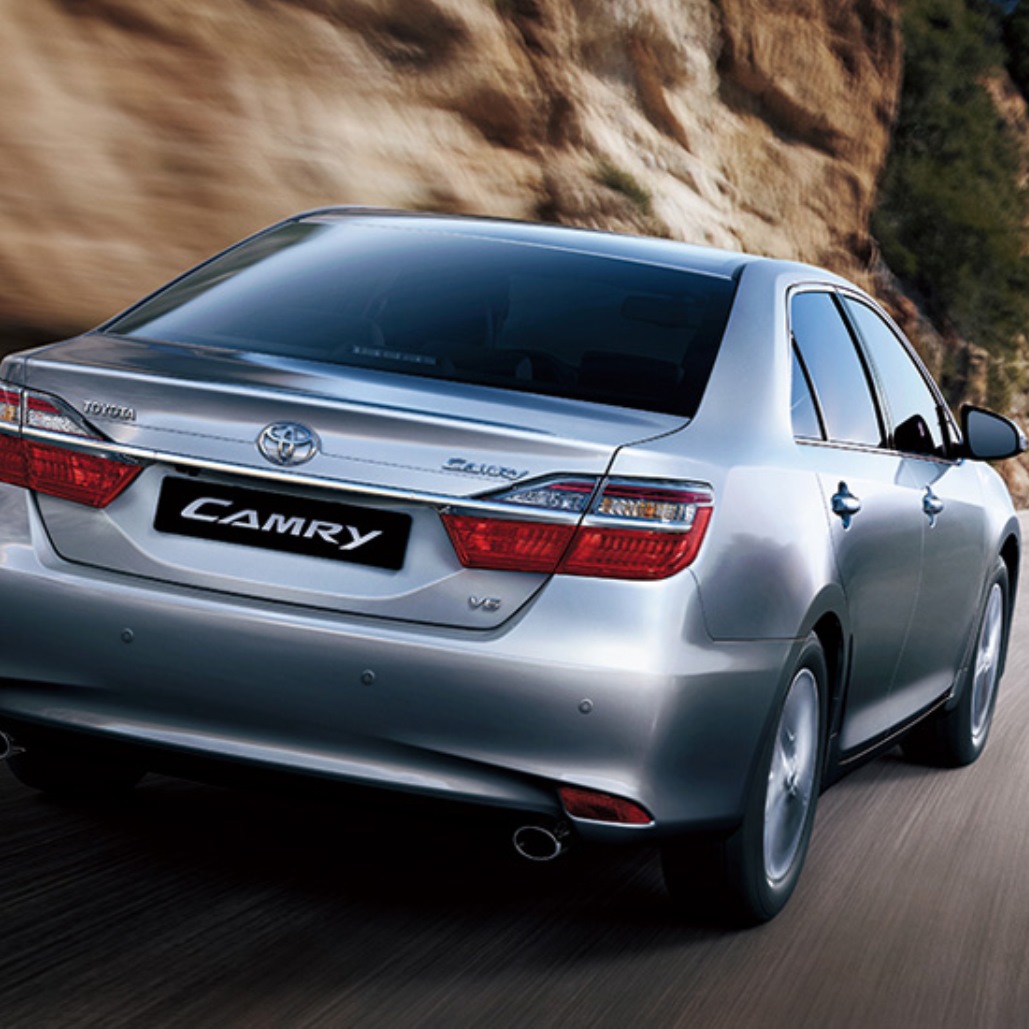
Toyota is by far the biggest of the four, with a market capitalization of $80 billion, versus $49 billion for Honda and around $45 billion for both Ford and GM. We just got word of 2015 full year sales, and once again, Toyota comes out on top. The company sold 10.14 million cars globally across the year — beating expectations — versus 9.8 million for GM and 4.36 million for Honda. Ford’s 2015 total has not yet been reported.
The Honda figures essentially show stagnation from 2014 levels, and Toyota, despite beating expectations, is down 10% from 2014. General Motors is down slightly since logging 9.9 million sales in 2014. Ford, while we don’t know its total sales figure, just recorded a record pretax profit of $10.8 billion and a net income of $7.4 billion for full year 2015 — the latter being up a huge $6.1 billion on 2014’s number. It also took the top spot in the most sold vehicle category with its F-150 pickup — for the 34th year running.
So it looks like the United States, and specifically Ford, have the momentum as things stand, but this could be set to change. The Japanese government just announced a negative interest rate policy, which should boost lending and consumer credit, given that saving money is now essentially penalized. This can only be a good thing for automakers, as freed up and cheap capital should boost demand for new vehicles.
[recirclink id=308826]
While U.S. carmakers have the edge today, Japanese carmakers should pick up pace medium term, but what about longer term?
General Motors staked its claim in driverless vehicles and ride sharing this month, with its acquisition of Sidecar’s assets and intellectual property and its subsequent $500 million investment in Lyft. Ford is finally ramping up sales in China, having just reported a close to 30% increase in December sales year on year. For reference, GM sells about three times more cars in China than does Ford. Honda is in a minor crisis on the back of an airbag recall, and it looks as though it might need a new CEO very soon. Toyota has just bet $3 billion dollars on the minivehicle sector with its acquisition of Daihatsu. At a time when global emphasis is on the climate change debate, this might prove a smart move.
In summary then, Ford looks strong and is growing fast, GM is investing in what looks to be the future of driving and drivers, and Toyota has maintained its number one spot and is positioning itself to take advantage of macroeconomic sentiment. Honda, with its mass recall and modest numbers, looks the weakest of the bunch. For all concerned though, interest rates must remain at rock bottom or debt could start drowning balance sheets while sales collapse.





 Top Gaining Stocks
 Top Losing Stocks