


Why do car makers cheat on emissions and mileage standards to sell cars? Oddly, part of the answer may rest with a recent comment made by Fiat Chrysler Automobiles N.V. (NYSE: FCAU) CEO Sergio Marchionne. A merger between two of the world’s largest car companies has to happen to cut capacity, combine marketing and product development, and marry technology efforts to cut polluting emissions. Car companies cheat to make money in a world in which the competition for market share is bloody and brutal, and where profits are precious.
Three global car companies face mileage and emissions scandals that may cost two of them large sums, and in the case of Volkswagen already has cost billions of dollars. VW, Mercedes and Mitsubishi have had mud thrown, perhaps fairly, at their reputations, in an industry in which reputation sells cars.
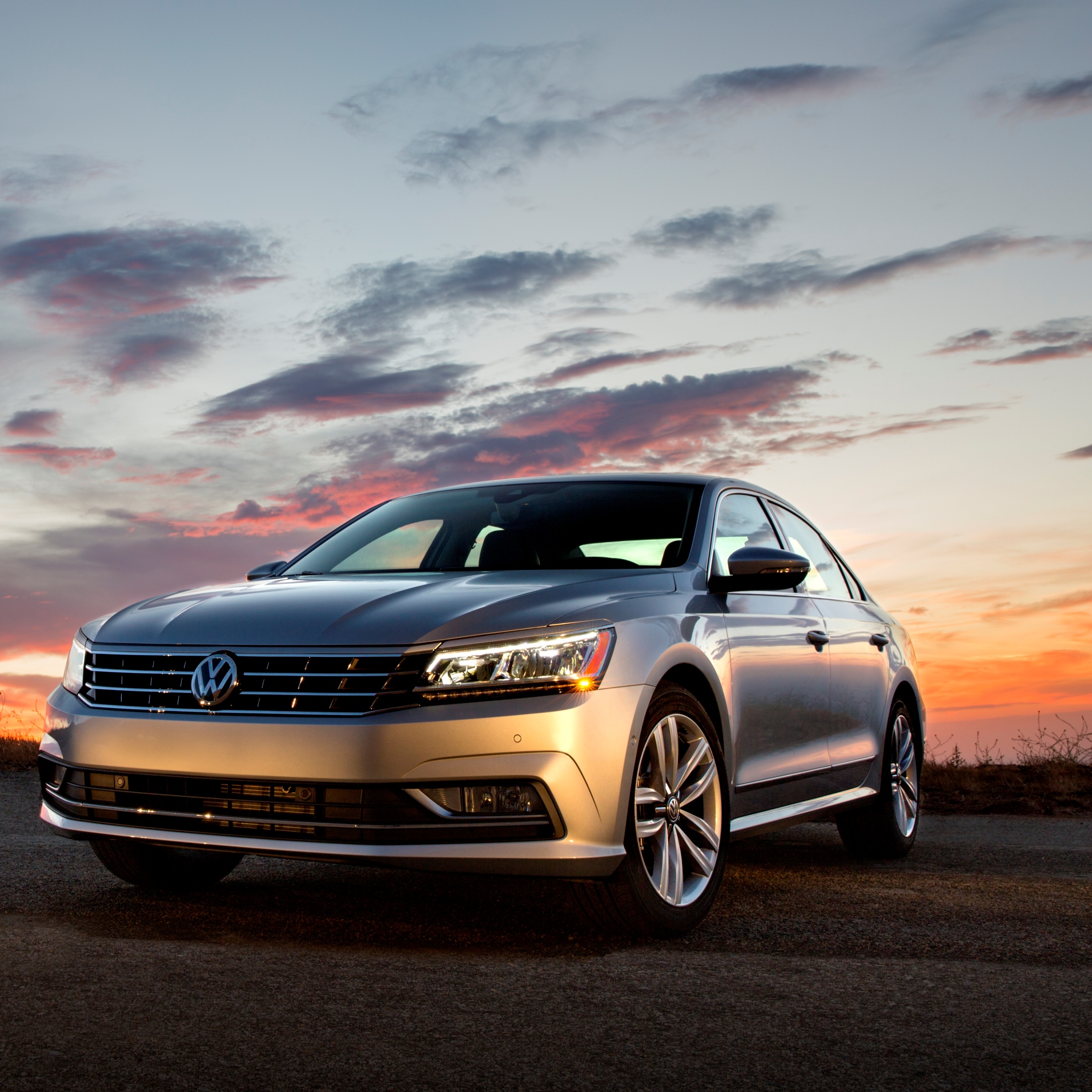
Apparently VW has partially settled legal claims by the U.S. government that will force it to repair or buy back cars that run on diesel engines about which VW made false claims. The settlement involves the repair, compensation or buyback of 500,000 vehicles sold in the United States. VW may increase reserves for emissions problems worldwide as high as $19 billion, according to Reuters.
Mitsubishi admitted it lied about mileage claims on 625,000 cars sold in Japan. There is speculation the trouble could spread further.
[nativounit]
The potential claims against Mercedes are in their early stages. The U.S. Department of Justice has begun an examination of some of its diesel engines.
PSA, parent of Peugeot may come under growing scrutiny by French regulators regarding its claims about diesel engines.
Fiat Chrysler’s Marchionne runs a modest-sized car manufacturer compared to global giants VW, General Motors Co. (NYSE: GM) and Toyota Motor Corp. (NYSE: TM). The scale of these three gives them an edge due to market share that has been hard to erode. GM’s hold as the top auto company in America, with about 18% of the market, adds to its front-runner position in China, the world’s largest car market. VW holds 25% of the EU market, the leader by far, and is also in China. Toyota owns its home market of Japan and has a market share that usually puts it in third place among car companies selling vehicles in the United States.
So, there is abundant proof that markets are crowded. An edge may come at the cost of falsifying engine efficiency data. No one has said that senior managements at any of the large manufacturers knew about the cheating, with the possible exception of VW. The pressure for success may sit among middle managers, particularly engineers. Do they operate in cultures in which sales success is paramount among all other goals? Probably.
Cheating among large corporations has a place well outside the car industry. And edge, based on a secret, unethical and often illegal activity, may work, until it is discovered by outsiders.







 Top Gaining Stocks
 Top Losing Stocks