


Between 2010 and 2015, sales of new cars in China grew at a compound annual growth rate of 12.3%. Over the next five years, the growth rate is forecast to tumble to just 5%.
The slowdown is largely due to the overall reduction in growth in the country’s economy, but consumer attitudes and behaviors are also factors, according to a new report from McKinsey that surveyed more than 3,500 Chinese consumers.
Nearly half said that cars are a necessity, but that does not mean what it once did. Fully 60% say owning a car is no longer a status symbol and 42% say that high maintenance costs and congestion militate against car ownership. More than a third point to other available means of transportation, such as renting (40%), leasing (34%) and sharing (26%). McKinsey reckons that by 2030 private vehicle sales will be down by 4 million and shared vehicle sales will be up by 2 million.
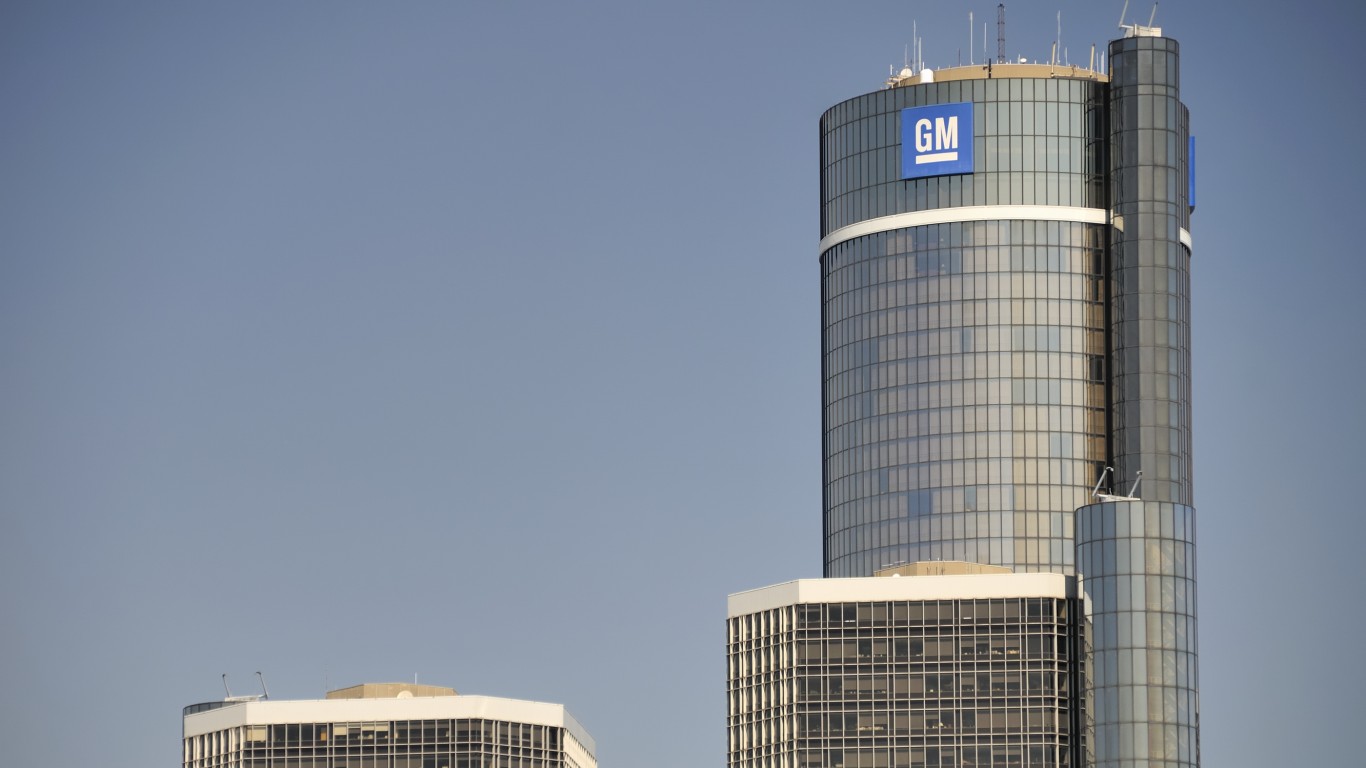
These changes do not represent altogether good news for non-Chinese carmakers that have invested billions in China. General Motors Co. (NYSE: GM) just completed a new Cadillac assembly plant costing $1.3 billion near Shanghai. GM plans to open a second $1 billion facility near Wuhan next year, according to a recent New York Times report. But GM has forecast growth in the low single-digits for up through 2020. GM sold 3.61 million vehicles in China last year.
[recirclink id=327626]
Volkswagen barely trails GM for the distinction of being the best-selling car in China (sales of 3.55 million units in 2015) and said last year that it planned to invest nearly $25 billion in China over the following five years, raising its production capacity to 5 million vehicles. The German carmaker’s troubles over its diesel emissions scandal could delay full implementation of that plan.
Ford Motor Co. (NYSE: F) reported earlier this month that first-quarter sales in China rose 14% to 314,454 units. The uptick is due virtually entirely to sport utility vehicle (SUV) sales, which have jumped 52% for the industry as a whole compared with the first quarter of last year. The company sold more than a million units in China last year, a record high for the company.
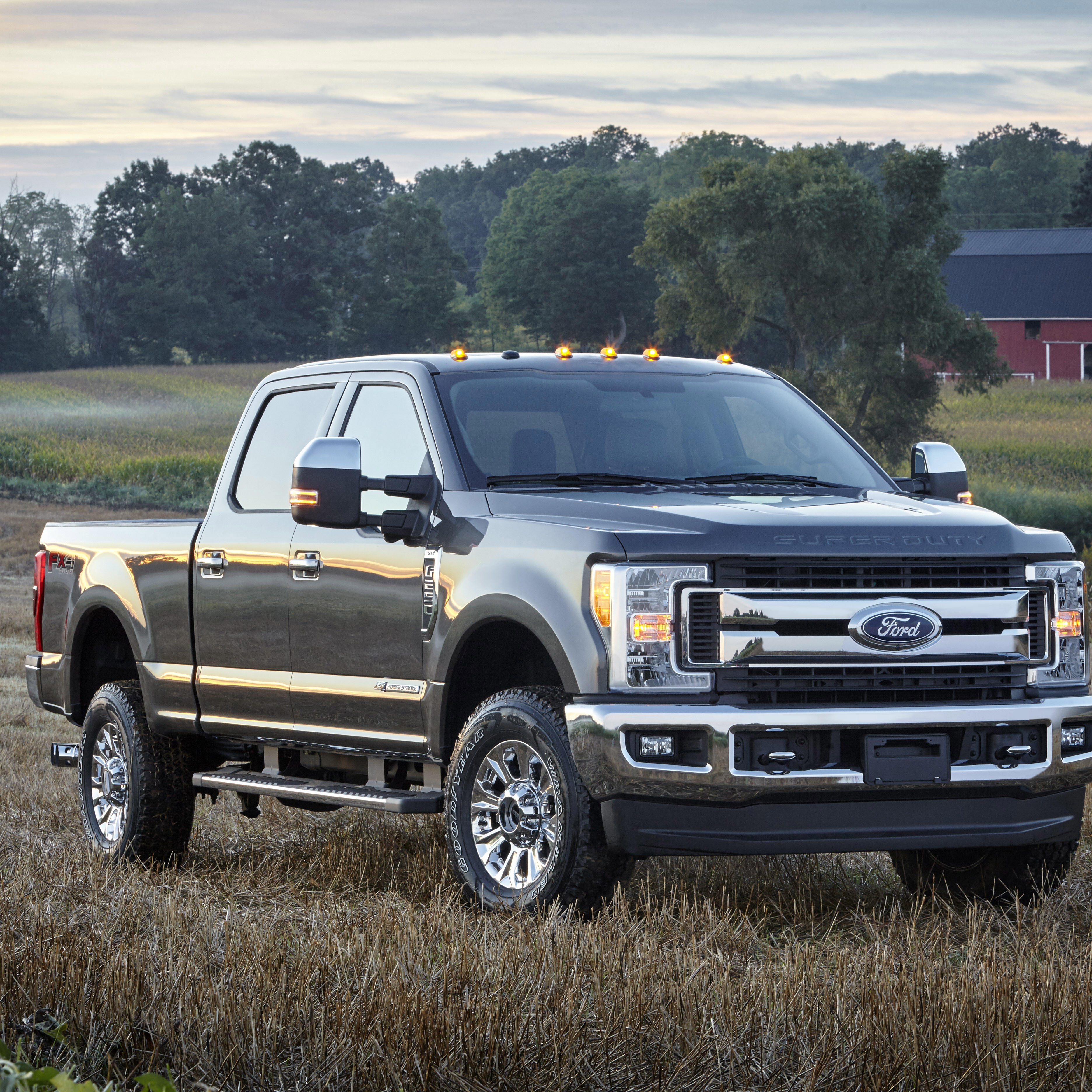
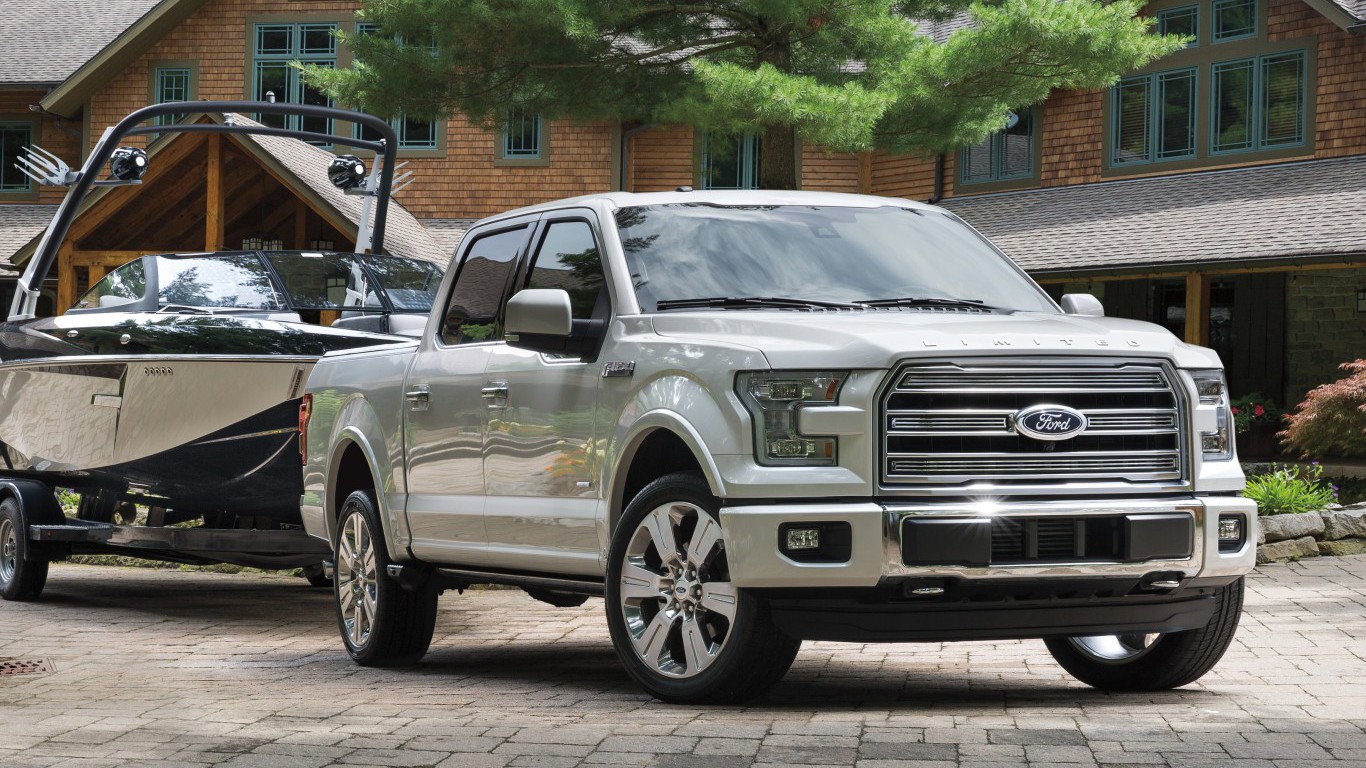
Much of the gain in SUV sales is coming from Chinese-branded vehicles with 1.6-liter engines that qualify for government tax incentives that went into effect last October. Ford’s strength is in larger models, and the company is introducing its F-150 Raptor pickup in China this week at the Beijing auto show, and the truck is expected to be available in dealer showrooms next year. Pickups represent just 3% of China’s market because they are classified as trucks and need special permits to enter cities. There’s also the matter of cost: according to a Wall Street Journal report, an F-150 King Ranch model with a five-liter engine sells for around $50,000 in the United States. The same truck costs about $100,000 in China after a variety of duties and taxes are applied.
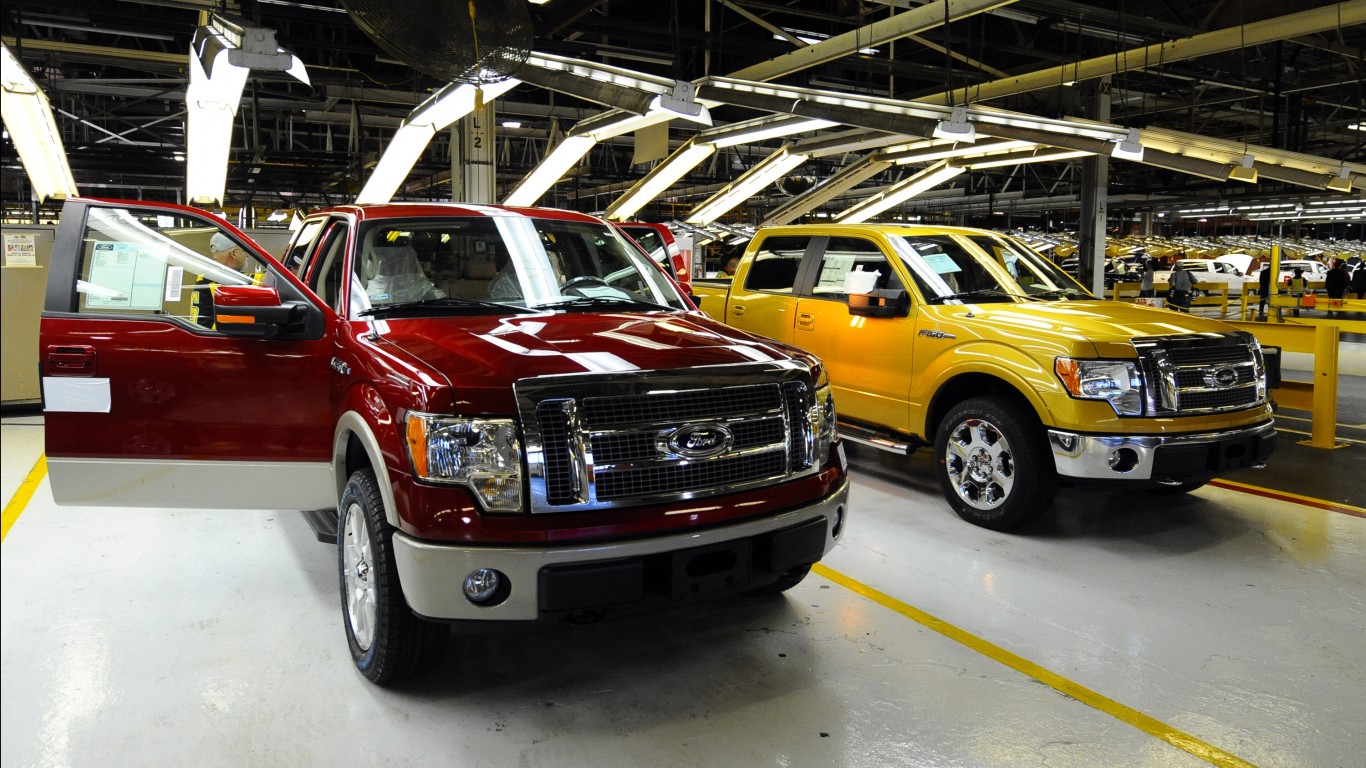
Ford expects to have a manufacturing capacity of 2.1 million units available in China by the end of the year, about double the number of cars the company sold in the country last year.
China’s production capacity for new vehicles could reach 28.8 million units over the next two years, while demand is not expected to top 25 million. That’s about 91% of capacity, well below current utilization of 115% at one of VW’s joint ventures and 113% at one of GM’s. And those numbers are down sharply from a year ago: in 2014 VW’s utilization rate was 132% and GM’s was 137% at the same plants.
The first quarter is not the best time of year for new car sales, though sales in China rose about 6.8% year over year to nearly 5.7 million units. The less good news is that tax revenues and profits fell by 1.41% in the first 11 months of 2015, indicating that sharp competition for sales is likely cutting into profitability.








 Top Gaining Stocks
 Top Losing Stocks