


As the industry battles Donald Trump’s “made in America” pressure, and the technology of cars advances, with driverless features and very long lists of tech-based vehicles, lost among these current developments is that a sharp drop in car ownership could reshape the industry more than anything else.
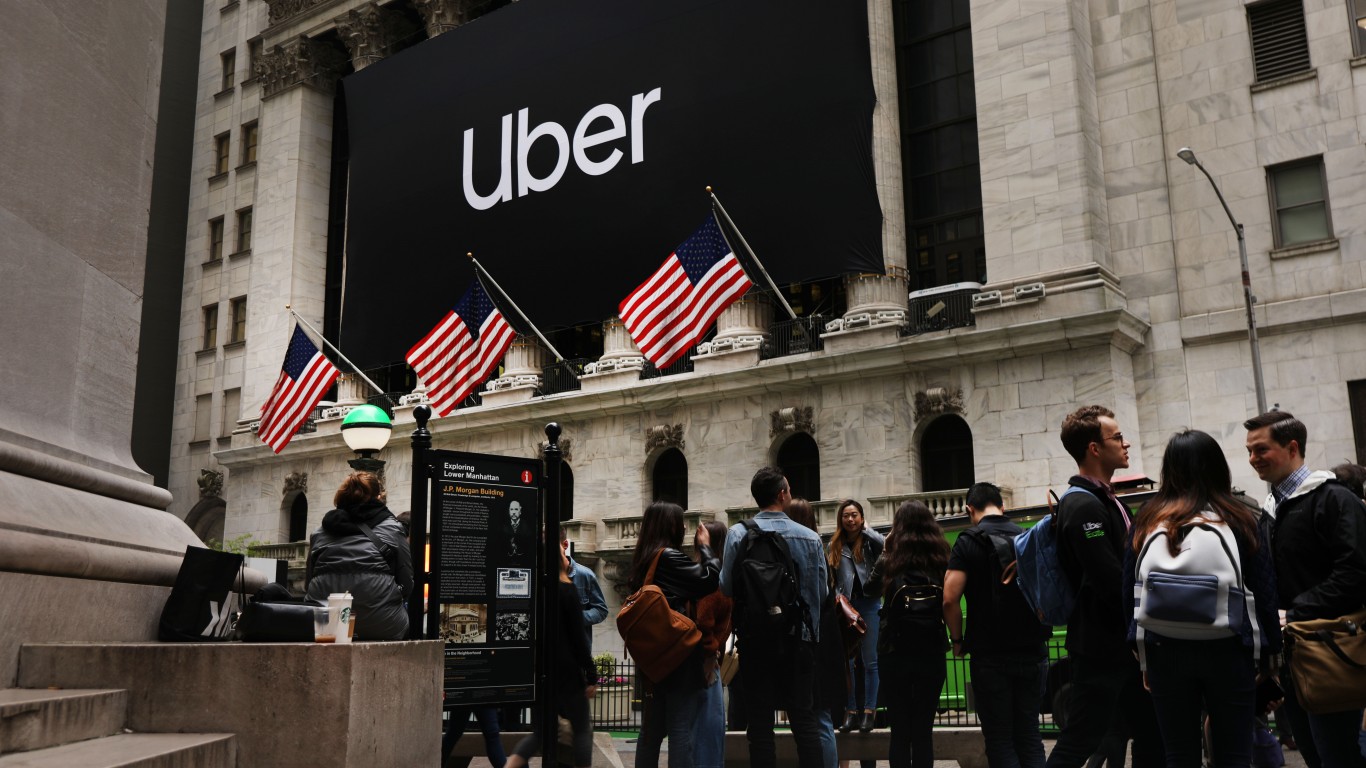
1. Among the advances in car transportation is the convenience of ride-sharing services like Uber, particularly in and around cities. Uber not only replaces cabs, but the need of many people to use their cars in metropolitan areas. As Uber branches out into services to move people into metro areas from the suburbs, the need for vehicles primarily used for commuting begins to disappear.
2. More and more millennials walk and take public transportation. Several studies, among them one from the U.S. Public Information Group, show that even the use of bicycles will undercut car use. What makes the trends more troubling are the number of young people who do not have driver’s licenses at all. Recent research from Transportation Research Institute at the University of Michigan shows that between 1983 and 2014, the number of people age 16 with a driver’s license dropped 47%. Among people ages 20 to 24, the drop is 16%.
3. At the other end of the age spectrum, people who tend to own cars are dying. The average American car owner is 52. For some luxury brands, the figure is well over 60. In two decades, some of these people will have died, and some will be too old to use a car.
[nativounit]
4. Most large American cities have made huge commitments to improve public transportation. The array of ways this has been and will be done includes more stations, more trains and tracks, more discounts for certain age groups, internet and cellphone access on trains and buses, and even better bathrooms. Technology advances should even increase train speed.
5. Parking prices will rise as cities need to increase their tax bases. This should allow parking facilities to raise rates to accommodate people who do not want to look for parking spots and pay dearly for them as well. In many metro areas, the cost to park will become a major cost of overall car ownership.
6. Finally, cars last longer. Car companies, in this regard, have made a self-inflicted injury. IHS Markit recently reported that the average age of American cars is 11.6 years. People simply do not have to replace cars as often as they used to.
Car sales appear to have flattened. Now watch them drop.
[wallst_email_signup]








 Top Gaining Stocks
 Top Losing Stocks