


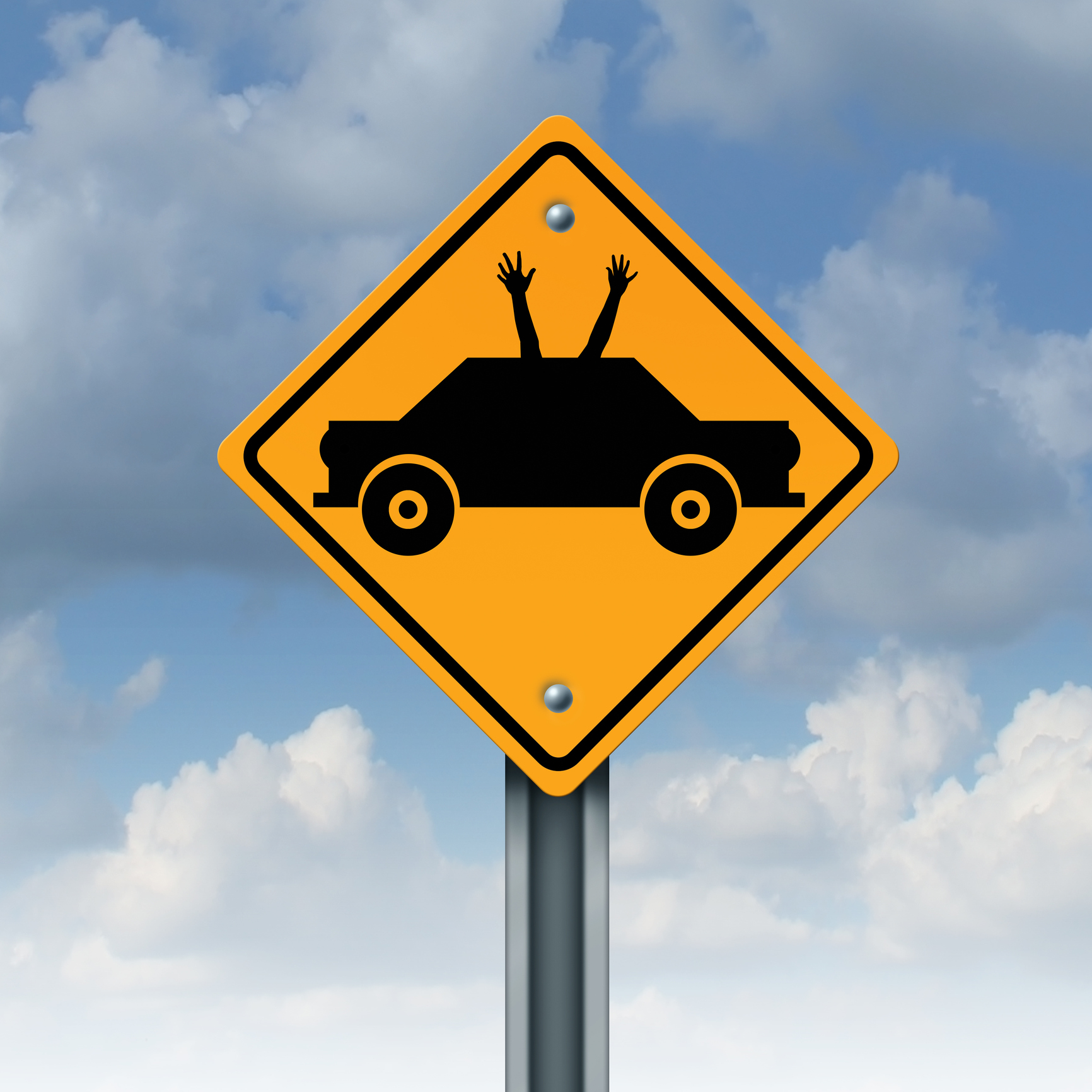
The auto and tech industries are spending billions of dollars to develop autonomous (driverless) vehicles. But is that money well-spent, considering that nearly three-quarters of Americans (71%) don’t even want to ride in such vehicles?
In December of 2017, that number had dipped to 63%, down by 12 percentage points from a high of 75% in January 2017. Following a number of crashes involving driverless vehicles in 2018, Americans have apparently decided that their initial wariness was justified.
AAA reported the data Monday based on a telephone survey of more than 1,000 U.S. adults. The motorist group noted that more than half of those surveyed (55%) think that most cars will “have the ability to drive themselves” by 2029.
When the doubters were asked why they don’t believe cars will be fully self-driving by 2029, more than half said either that people won’t trust the technology (53%) or that Americans will not want to give up driving their own cars (52%). About a third (34%) said the technology won’t be ready by 2029 and 33% said that road conditions won’t be good enough.
[nativounit]
AAA thinks that familiarity with driverless vehicles will overcome consumer perceptions of how poorly the technology appears to be and how the technology actually works. Greg Bannon, AAA’s director of automotive engineering and industry relations commented:
Automated vehicle technology is evolving on a very public stage and, as a result, it is affecting how consumers feel about it. Having the opportunity to interact with partially or fully automated vehicle technology will help remove some of the mystery for consumers and open the door for greater acceptance.
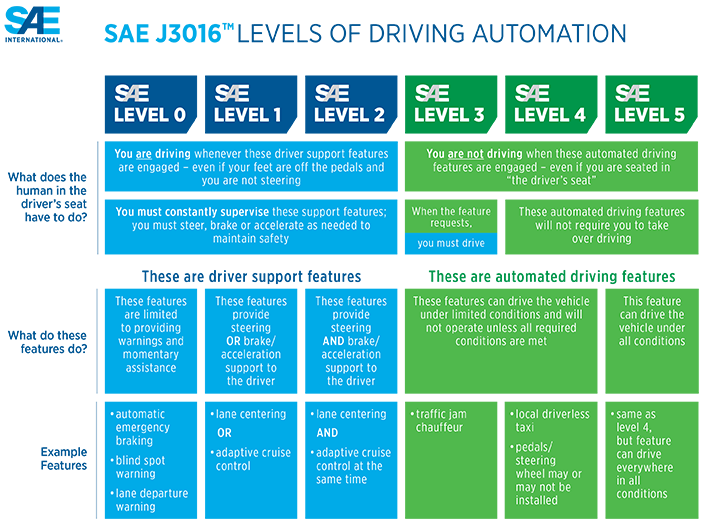
AAA points to driver acceptance of partially driverless technologies known as advanced driver assistance systems (ADAS). These include lane-keeping technology, adaptive cruise control and automatic emergency braking. Americans who drive cars with any of these features are about two-thirds more likely to trust them than are drivers without them.
Automakers and tech companies have a lot at stake. Nearly every major automaker and several tech firms either have or have promised to invest a total of $100 billion in driverless cars, according to a report from U.K.-based car-leasing firm Leasing Options. Volkswagen, for example, last year committed to a $50 billion investment over the next five years. Ford has committed about $5.4 billion to develop driverless cars, and GM has invested $1.5 billion, primarily in its acquisition of Cruise.
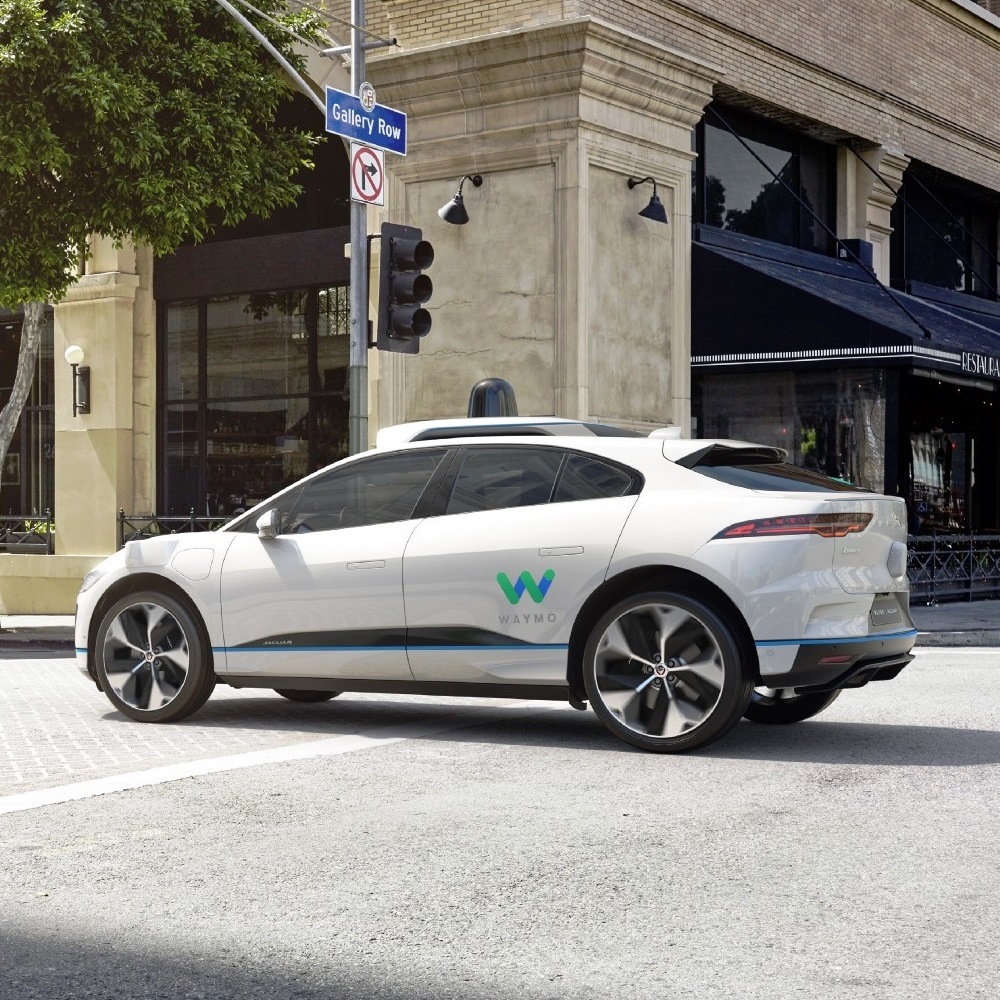
The company that appears to have the inside track, however, is Alphabet’s Waymo, which got its start about 10 years ago as a division of Google. TechCrunch on Monday cited a report at The Information that Waymo is seeking to raise outside capital at a valuation “at least several times that” of GM’s Cruise, which was recently valued at almost $15 billion following its own capital raise.
Intel and research firm Strategy Analytics released a report in mid-2017 pegging the value of the so-called passenger economy, which is based entirely on self-driving vehicles, at $7 trillion by 2050. To reach anything near that amount, carmakers and their tech partners will need to gain public trust. And to do that, AAA’s Bannon noted, the companies are going to have to be patient and willing to educate people: “Hands-on exposure in more controlled, low-risk environments coupled with stronger education will play a key role in easing fears about self-driving cars.”
[recirclink id=533624]
[wallst_email_signup]










 Top Gaining Stocks
 Top Losing Stocks