


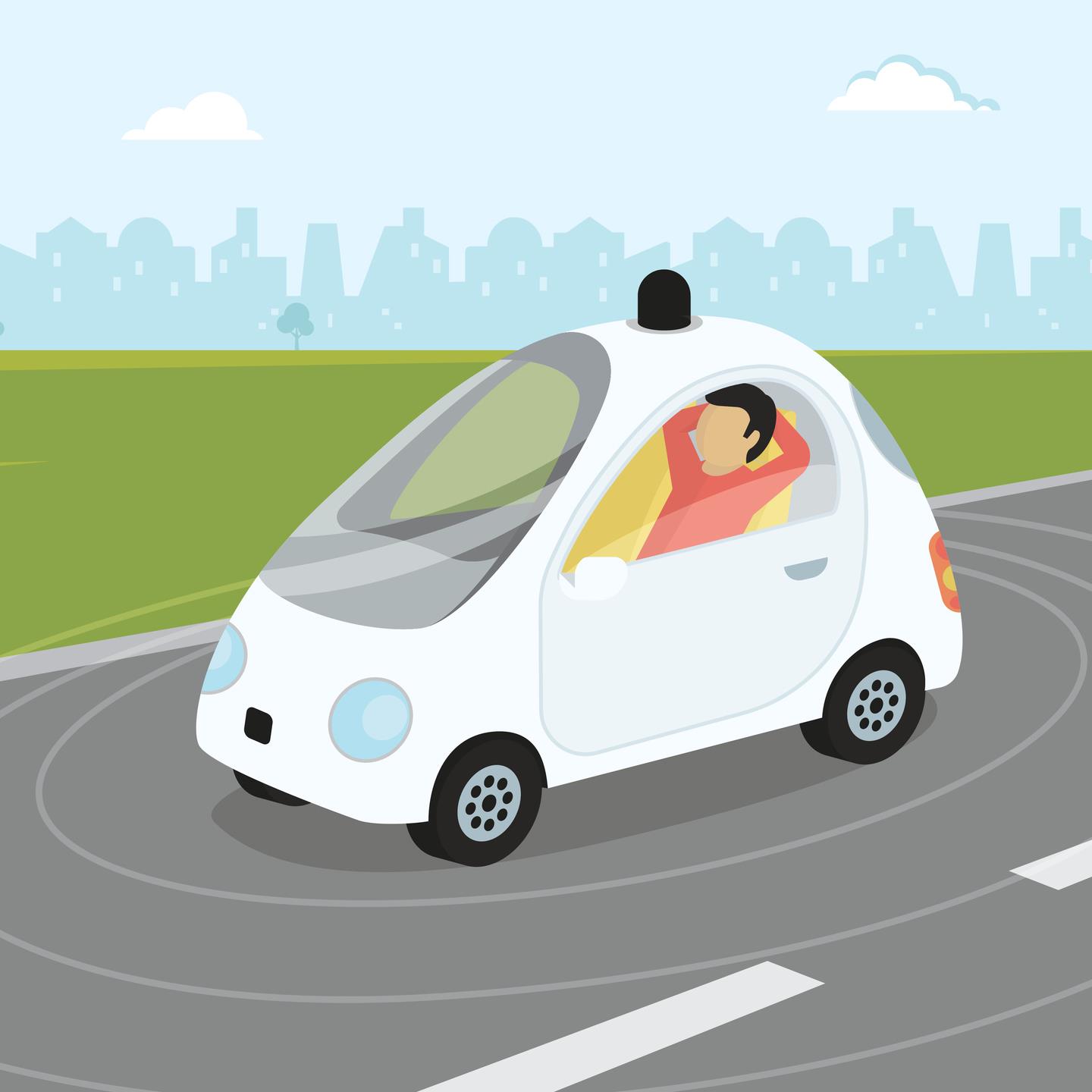
While it is not possible to predict anything three decades away, Intel Corp. (NASDAQ: INTC) has tried to. In a new survey it commissioned, the forecast is that the driverless, sometime called autonomous, car market will hit $7 trillion a year. The study was done with research firm Strategy Analytics.
Intel’s measure of the market is broad:
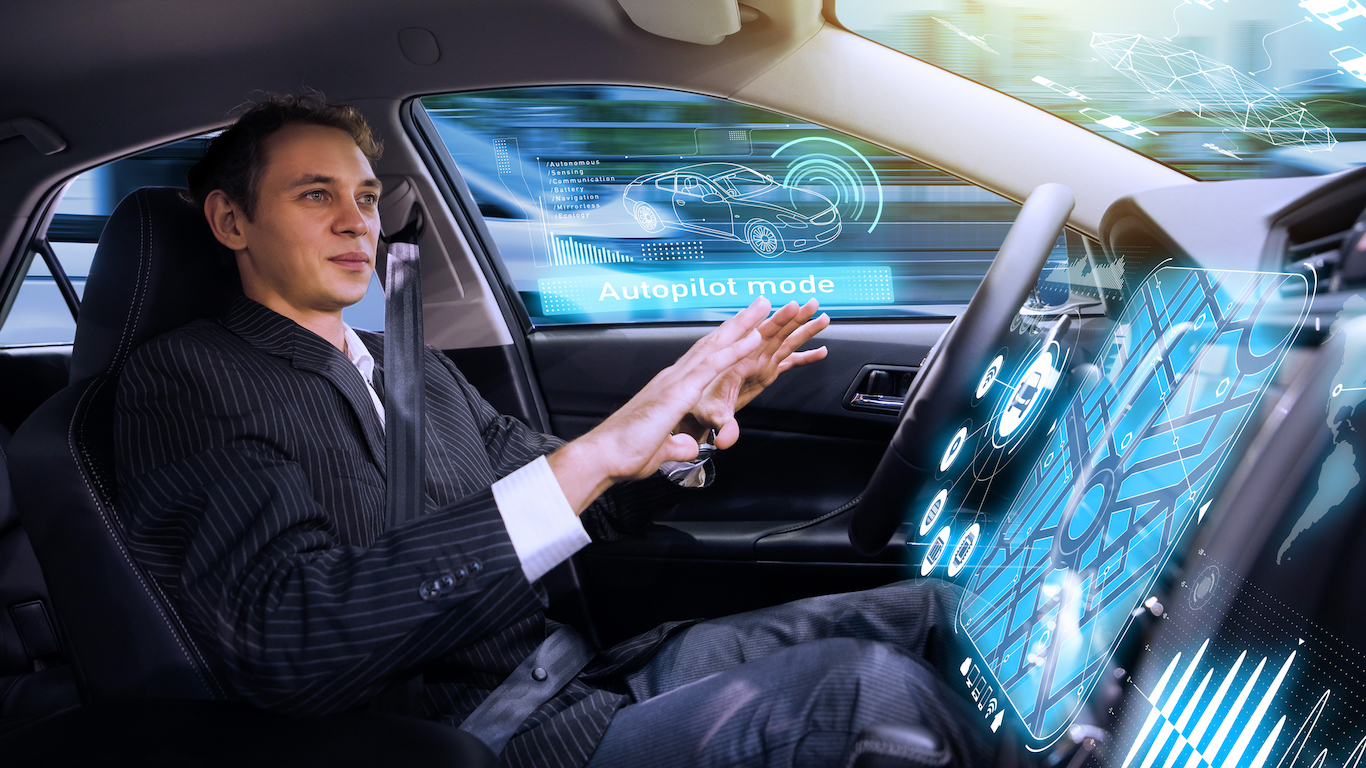
The Passenger Economy will stimulate value creation from the adoption of Mobility-as-a-Service and other new mobility services as well as emerging new applications and services as well as from savings in time and money associated with vehicle use and from the resulting freedom of movement. Our research finds that autonomous driving technology will enable a new Passenger Economy worth US$7 trillion in 2050. It will drive change across a range of industries, displacing vehicle ownership with Mobility-as-a Service, and defining a new landscape of concierge and ride-hailing services, as well as pilotless vehicle options for businesses in industries like package delivery and long-haul transportation.
[nativounit]
This probably means a sharp drop in the number of truck drivers. It may undermine car sales levels. On the other hand, it almost certainly would mean fewer serious accidents.
One reason the forecast deserved to be met by skepticism is that the driverless vehicle business is still in its infancy and, thus, predictions are hard to support. Virtually every large car company in the world is at work on driverless technology, as are a number of huge tech companies, including Alphabet Inc. (NASDAQ: GOOGL) and an army of start-ups.
The forecast would need to be supported, at the very least, by several changes to highway infrastructure and cooperation among the major players in the emerging sector. Roads and intersections have not been set up to accommodate driverless car technology. Some companies are at work on “smart roads” that would guide cars from technology installed under pavement.
Additionally, the technologies behind the vehicles may be nearly as diverse as the companies who create them. There is no guarantee that a General Motors Co. (NYSE: GM) system will be compatible with the Alphabet system. Compatibility among what may be scores of technologies could take years of negotiation and compromise.
The driverless economy may never become extremely large. It has high hurdles to clear to become massive. So $7 trillion is a stretch for the time being.
[wallst_email_signup]





 Top Gaining Stocks
 Top Losing Stocks