



[cnxvideo id=”655241″ placement=”ros”]The passenger car industry will go through a massive transformation between now and 2030, according to a new forecast. The effects could completely change the auto manufacturing and oil and gas sections of the U.S. economy. The auto industry in particular will be deeply harmed.
U.K.-based research firm RethinkX has just released its “Rethinking Transportation 2020-2030: The Disruption of Transportation and the Collapse of the ICE Vehicle and Oil Industries.” ICE is short for “internal combustion engine.” These gas-powered engines have been almost exclusively the power source of American cars for well over a century. The conclusion of the report is that 95% of U.S. car travel will be in electric, self-driving or shared vehicles by 2030. The Institute of Transportation Studies recently came to a similar conclusion.
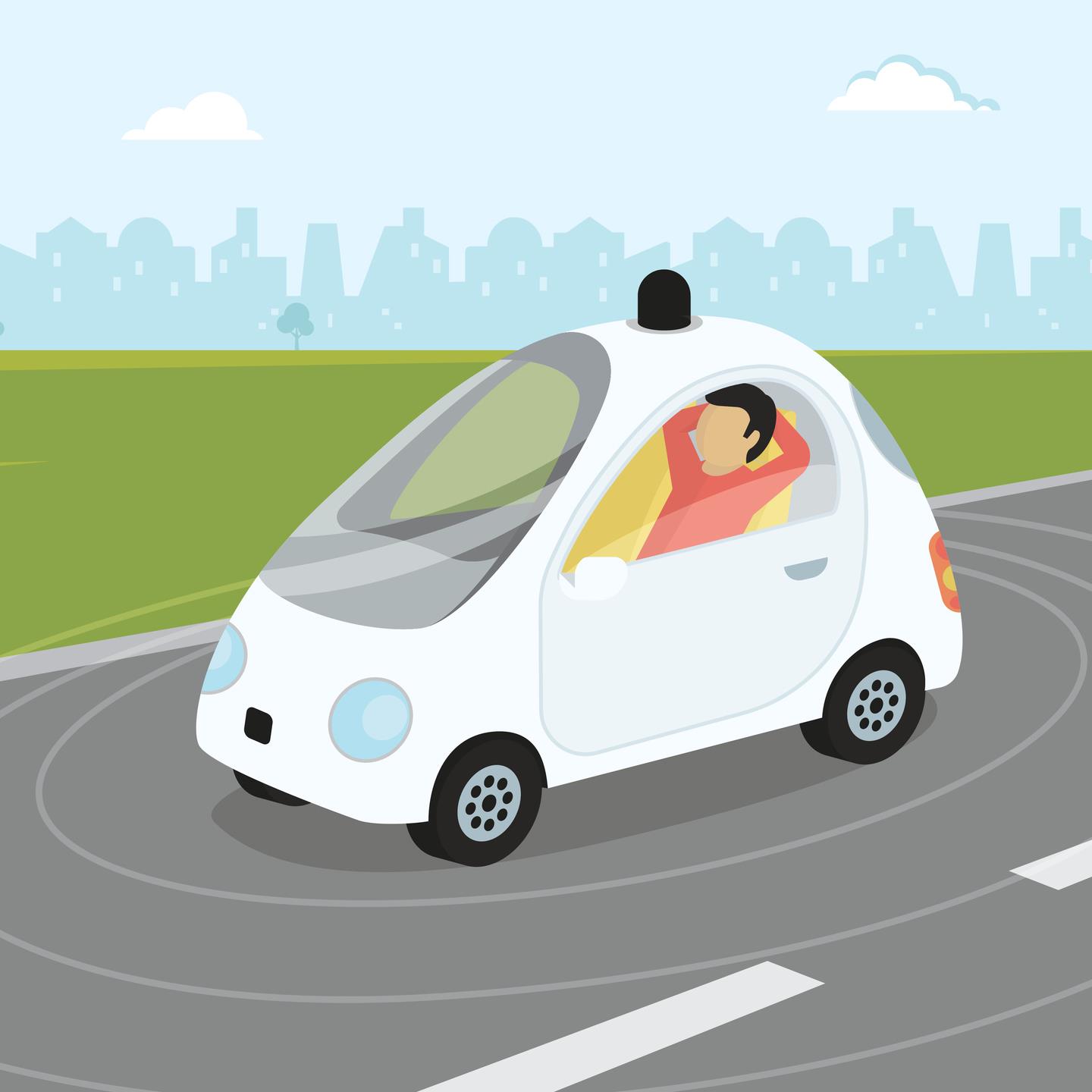
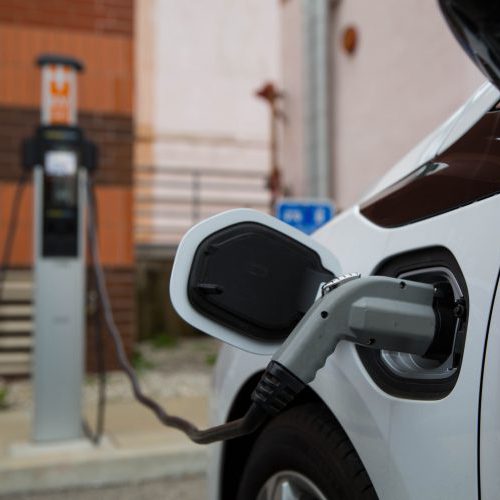
Three trends will account for the radical shift in passenger driving habits. The first will be electronic cars, like those made by Tesla Inc. (NASDAQ: TSLA). The entire car industry is in a race to build economically viable, fully electric cars. Among the greatest hurdles to this is a battery life that limits the distance of travel to under 250 miles on a single charge. Technology advances continue to increase this range. The second powerful catalyst in passenger driving habits is self-driving cars. This technology is being pursued by all major car manufacturers and huge tech companies, such as Alphabet Inc.’s (NASDAQ: GOOGL) Google and Apple Inc. (NASDAQ: AAPL). Finally, ride sharing will cut overall car use. This model has been pioneered worldwide by Uber and Lyft. Car manufacturers and several tech companies also have started to pursue advances in this area.
[nativounit]
These trends could essentially ruin the car industry as it exists today, as the internal combustion engine is phased out and ride-sharing cuts the number of vehicles in use. Among the primary findings of the RethinkX survey is that “within 10 years of the regulatory approval of driverless vehicles”:
95 percent of U.S. passenger miles traveled will be served by on-demand Autonomous Electric Vehicles (A-EVs) owned by companies providing Transport as a Service (TaaS).
A-EVs engaged in TaaS will make up 60 percent of U.S. vehicle stock.
As fewer cars travel more miles, the number of passenger vehicles on American roads will drop from 247 million in 2020 to 44 million in 2030.
Travel sharing is expected to be four to 10 times less expensive per mile than the purchase of a new car, according to the study’s forecast. The average American household will save $5,600 a year due to the transition from traditional cars to autonomous, electric and self-driving ones. Shared transportation also will address the needs of underserved parts of the population, which include the elderly, handicapped and poor.
Tony Seba, RethinkX co-founder, author of “Clean Disruption of Energy and Transportation” and instructor at Stanford Continuing Studies, said:
We are on the cusp of one of the fastest, deepest, most consequential disruptions of transportation in history. But there is nothing magical about it. This is driven by the economics.
Passenger car travel will become far less expensive. In the meantime, the car industry will be in tatters.
[wallst_email_signup]












 Top Gaining Stocks
 Top Losing Stocks