


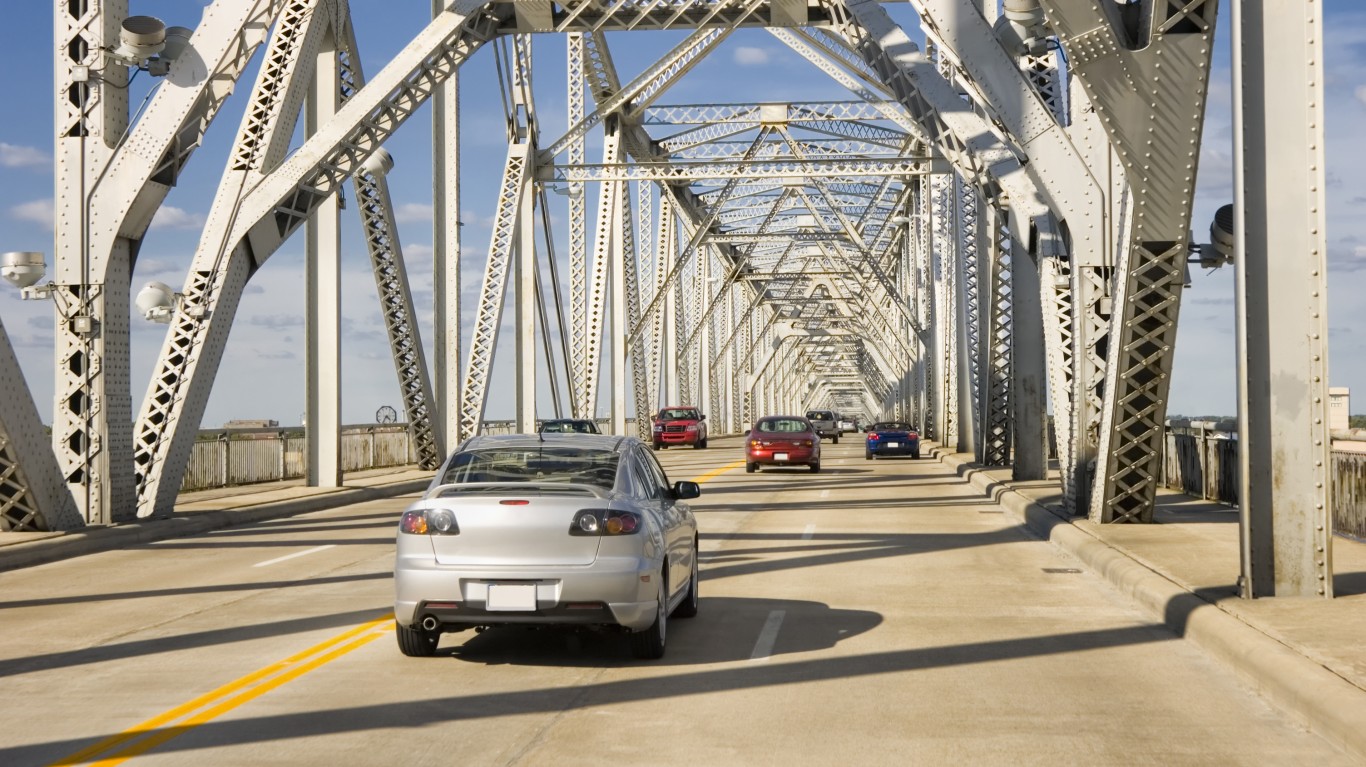
Cars makers used to be accused of building vehicles based on “planned obsolescence.” At some point, only a few years after purchase, they would either break down or lack the critical safety and design features of newer vehicles. Cars were less well built two decades ago, no matter what the reason. That has changed radically. The average age of a car on the road in America is over 11 years. This poses a nearly impossible dilemma for manufacturers.
Some cars Americans continue to drive are much older than the 11-year number. IHS Markit research shows that the number of cars that are over 16 years old will increase by 22% between 2018 and 2023. That will bring the total of the very old cars to 84 million. There were only 35 million in this category in 2002.
Car manufacturers have two hurdles as they try to get sales back to traditional levels, which is the sale of 17 million new cars a year. The first is to get dealers open in the age of social distancing. The other is to convince people who are worried about their savings to buy a car under any circumstances. Car companies have tried to address this problem with more incentives. The decline in national sales shows this is not working well enough to get numbers anywhere close to where they were for the six straight years when sales were over 17 million. That string ended last year.
Whether people take better care of their cars is something no one can know. However, cars are better built, according to research firms such as J.D. Power. They have fewer defects. Many of the biggest safety additions, like antilock brakes, were introduced years ago. A new car may be attractive because of more modest tech improvements. Yet, safety features are not absolutely critical. The number of people who die in accidents each year dropped to 38,000 last year. About 4.4 million were injured, which is also a decline.
[nativounit]
What can car companies like General Motors Co. (NYSE: GM | GM Price Prediction), Ford Motor Co. (NYSE: F) and Toyota Motor Corp. (NYSE: TM) do? Incentives have not worked well enough, yet. Newer features have not. Electric and autonomous cars are not a large part of the market.
The answer to what car companies can do to bring back sales is nothing. They have to hope the COVID-19 outbreak fades and millions of people get their jobs back.
[recirclink id=705636]
[wallst_email_signup]






 Top Gaining Stocks
 Top Losing Stocks