



When Lucid released its latest product, the market refused to react positively. The electric vehicle (EV) maker is in too much trouble. Its stock has retreated from a 52-week high of $57.75 to near $21. Most of the sickening slide has come in the past three months. Many investors already believe that Lucid has very little, if any, future.
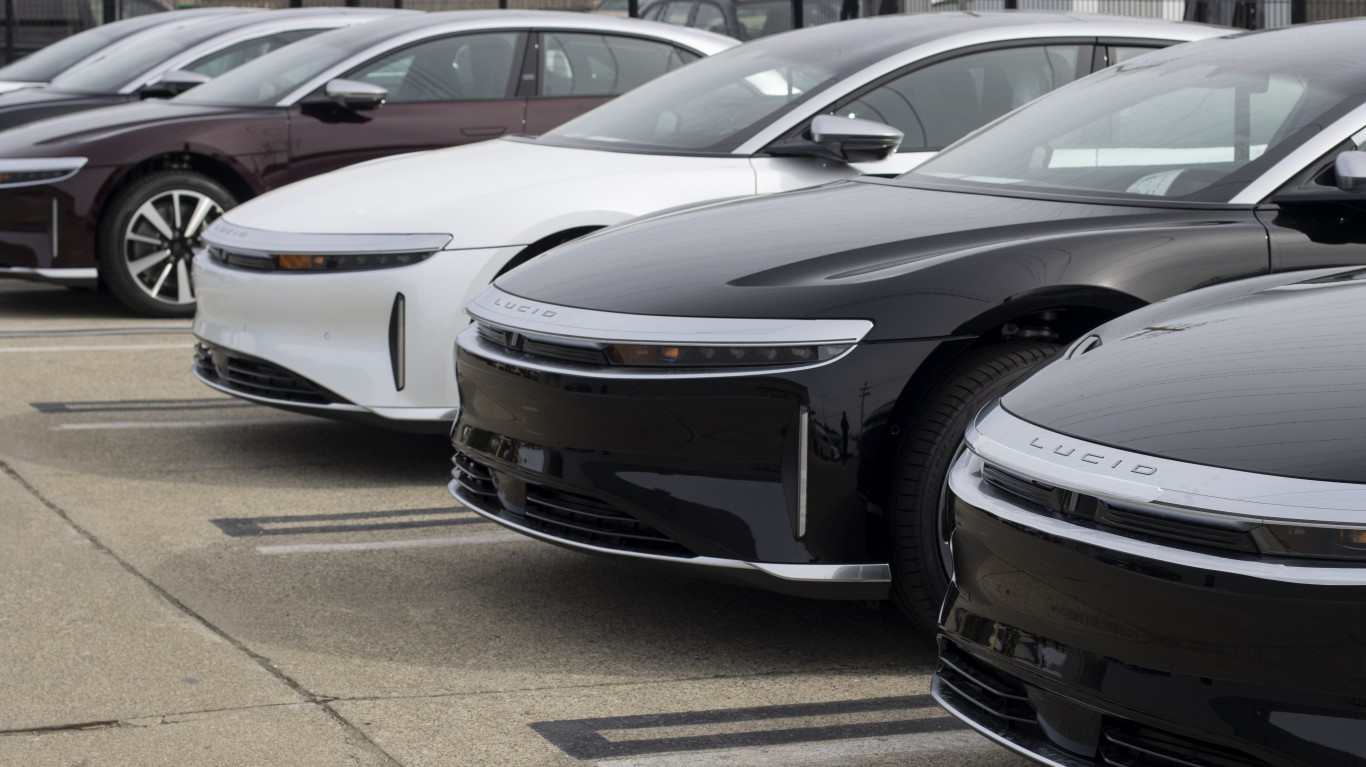
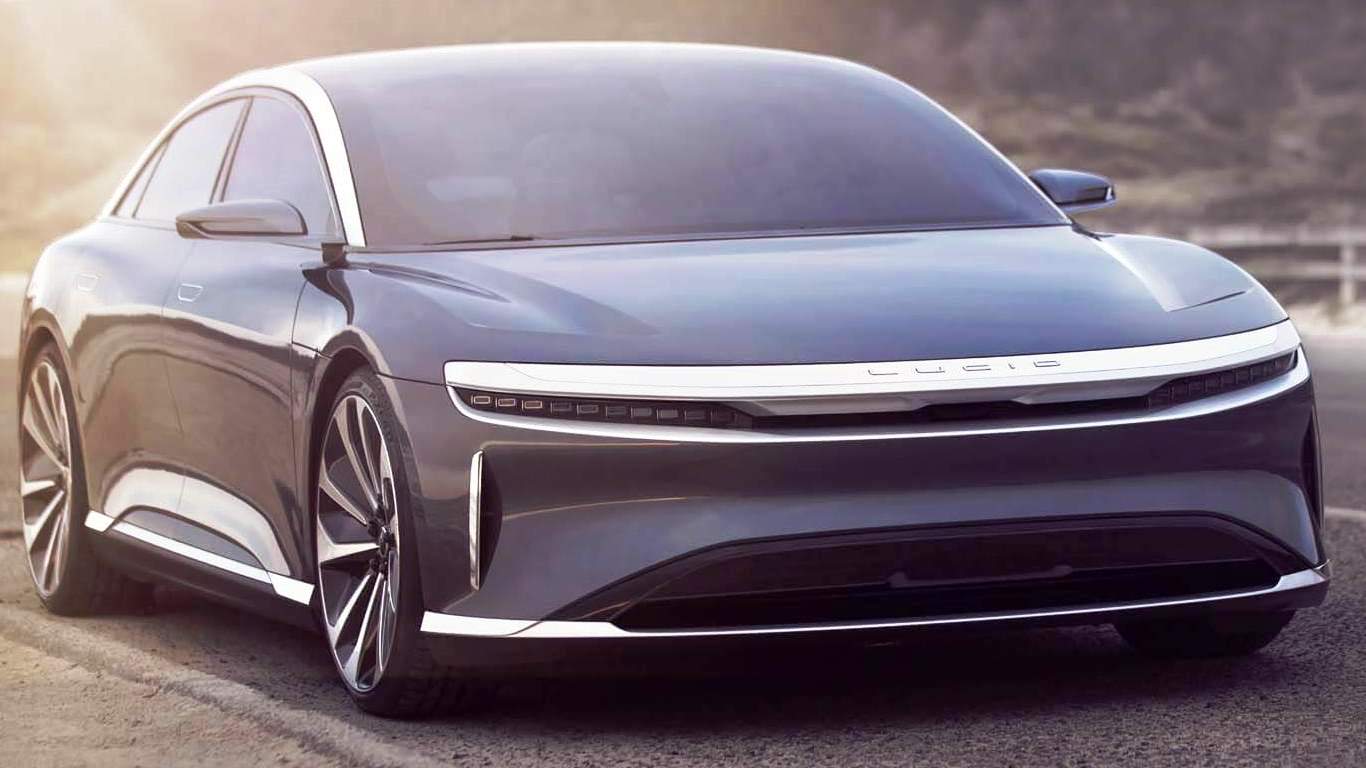
The new Lucid Air Grand Touring Performance certainly makes an impression. It has 1,050 horsepower and an EPA-estimated driving range of 446 miles. Those numbers put it near or at the top of EV power and engine efficiency measures. At $179,000, the car likely is priced out of the market, if it can ever be produced at a rate of more than a few hundred a year. Production has become Lucid’s Achilles’ heel. Recently, it dropped its forecast for 2022 deliveries from 20,000 to a range of 12,000 to 14,000. The nosedive should make anyone skeptical about the 2023 forecast of 49,000 deliveries.
Among the most absurd things investors can do is to take a company management’s comments about the distant future to heart. When Lucid announced earnings, Chief Financial Officer Sherry House said, “[W]e estimate that the location of our first international manufacturing plant in the Kingdom of Saudi Arabia may result in up to $3.4 billion of value to Lucid over 15 years.” Since $3.4 billion is a lot of money, shareholders should insist on more details.
[nativounit]
Small companies also like to talk about indirect indications of future success. It had customer reservations for 25,000 vehicles. That translates into “potential sales” of over $2.4 billion. That is until people buy other EVs or want a Lucid product at a time the company cannot build one.
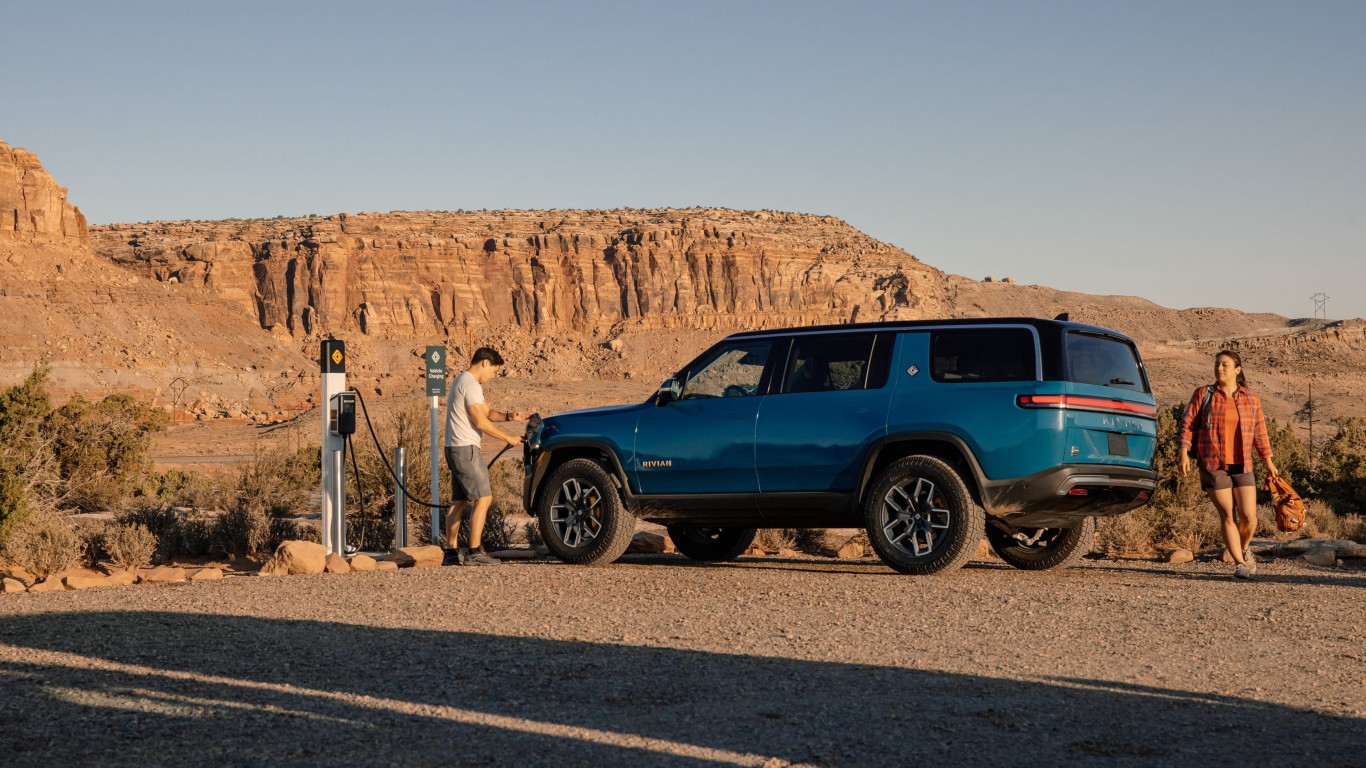
Ultimately, the case against Lucid is the one against all small EV companies. The product quality cannot be good enough to protect the company from the overwhelming flood of EVs from every major manufacturer in the world. Industry giants have staked hundreds of billions of dollars on fleets that they say will be made up of 50% EVs by 2030. These development and production costs are staggering, even for some of the largest industrial companies in the world. However, companies like General Motors, Toyota and BMW have the marketing, manufacturing, product management and dealer networks to make their plans likely to succeed.
[wallst_email_signup][recirclink id=1083563]
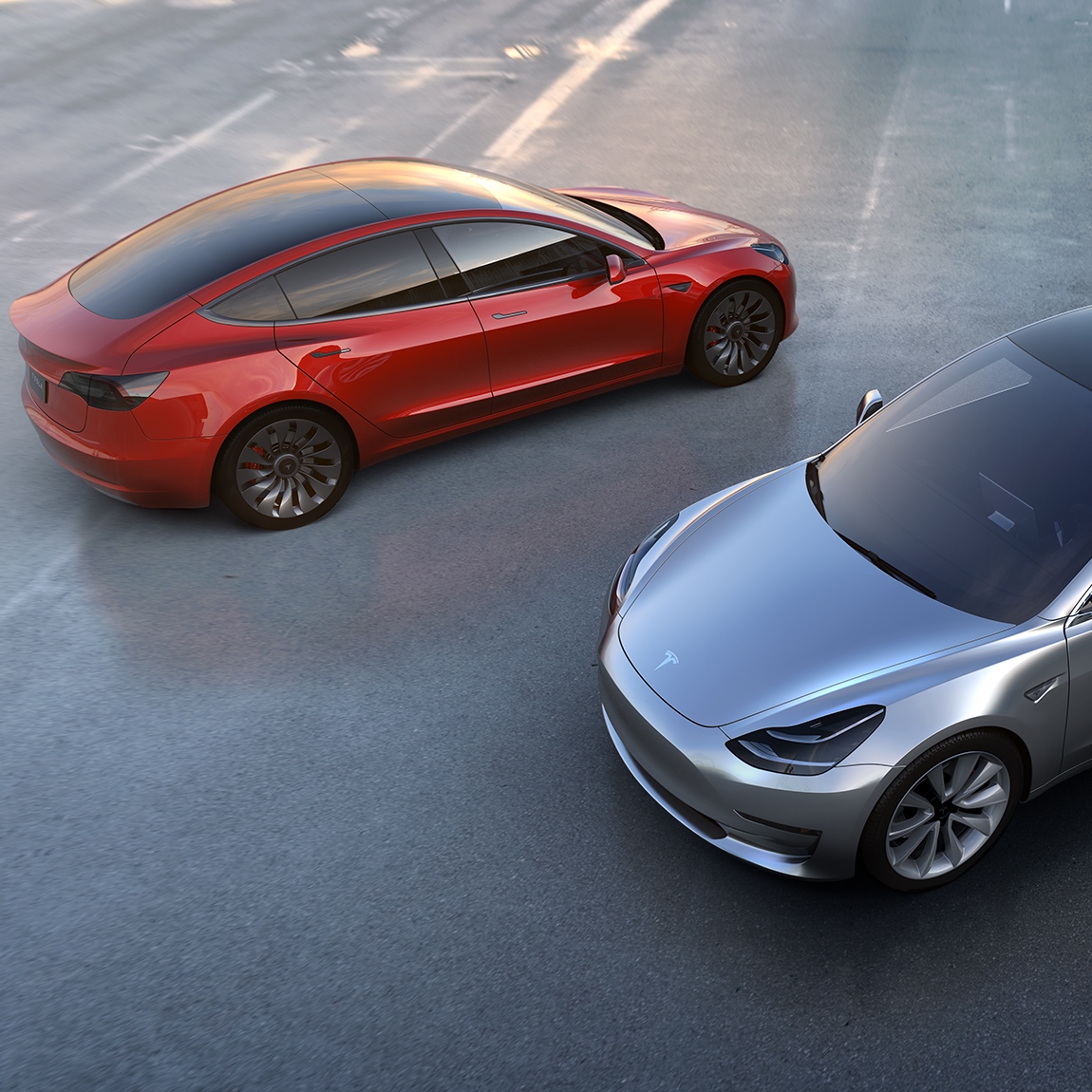
Tesla is far enough along in sales and a breadth of products to survive the coming EV deluge. Lucid is not, by a long shot. Its stock is on the way to the junkyard.










 Top Gaining Stocks
 Top Losing Stocks