


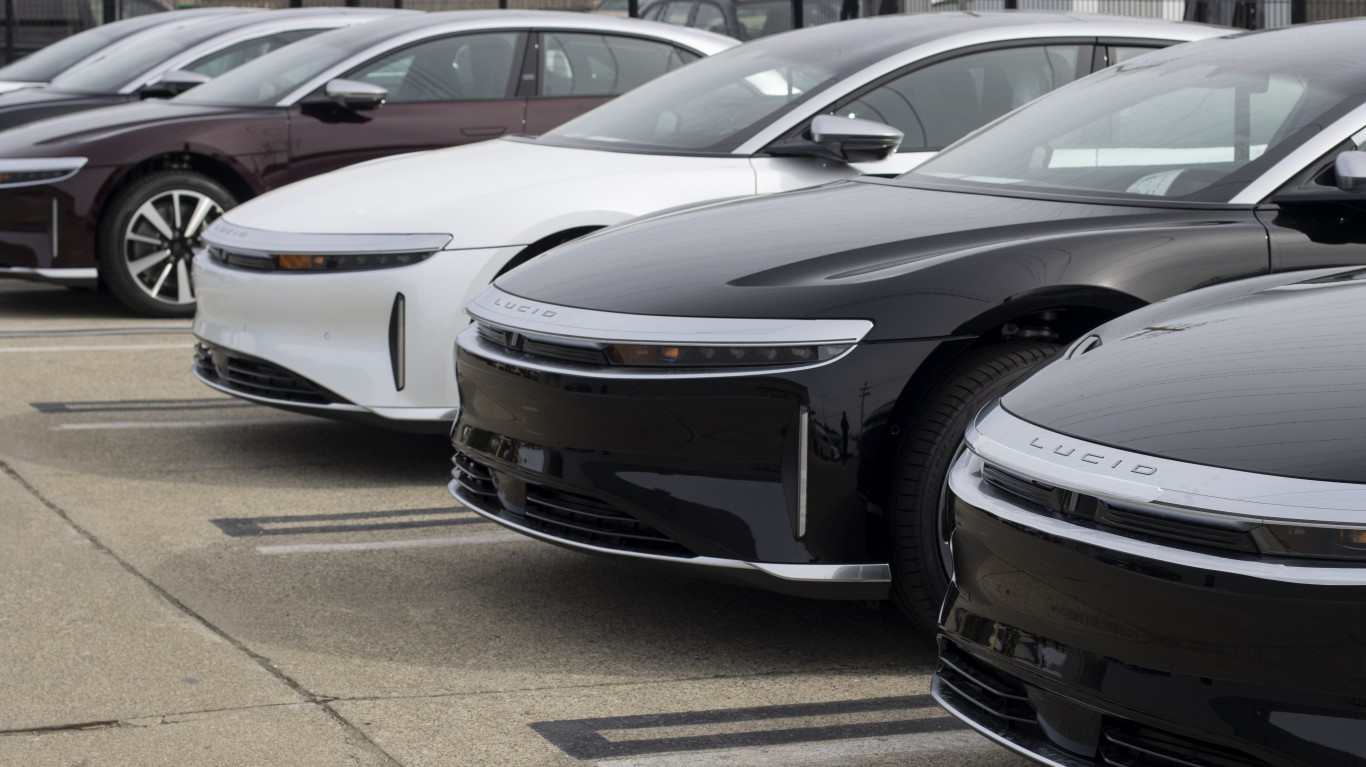
There has been a guessing game recently about when small EV companies will run out of money. Lucid (NASDAQ: LCID | LCID Price Prediction) and Rivian (NASDAQ: RIVN), for example, have billions of dollars on their balance sheet, but they have been burning through billions of dollars a year. Marc Winterhoff, Lucid’s interim chief executive, told the FT, “The money that we have right now will take us until the second half of 2026, we’ll have to raise additional funds before we get profitable or break-even on our own,”
Raising funds may be a problem. What institutional investor wants to put money into a faltering company that has high fixed expenses in an industry that is unsteady but has a large number of competitors?
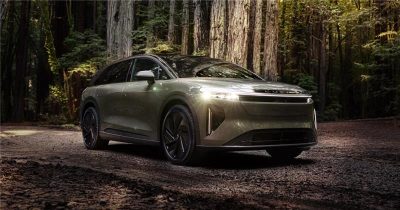
The Saudi Public Investment Fund has put hundreds of millions of dollars into Lucid. However, as its prospects darken, that could change. Lucid got $300 million from Uber and an agreement to buy 20,000 Lucid’s Gravity SUVs. These will be operated by self-driving software. The plan has two problems. No car company has perfected self-driving software. And, approvals for the use of self-driving vehicles have been made by individual cities and states.
Additionally, the self-driving business and Uber’s ride-hailing program will face competition from companies like Tesla’s (NASDAQ: TSLA) Robotaxi and vehicles powered by Waymo’s self-driving software. However, Winterhoff is betting Lucid’s future on the self-driving business.
The EV company’s primary problems have not gone away, and that is what is core to its survival. Lucid has lost billions of dollars in its quest to capture a significant share of the U.S. EV market. The effort has been a dismal failure, as shown by its poor unit sales, weak balance sheet, and negative profit and loss statement.
In the second quarter of the year, Lucid produced just 3,863 vehicles, a tiny number, and delivered only 3,309. It reduced production estimates for the year from 20,000 to a range of 18,000 to 20,000.
In the second quarter, Lucid had a net loss of $855 million on revenue of $259 million. That compares to a loss of $790 million in the same quarter last year, on revenue of $201 million.
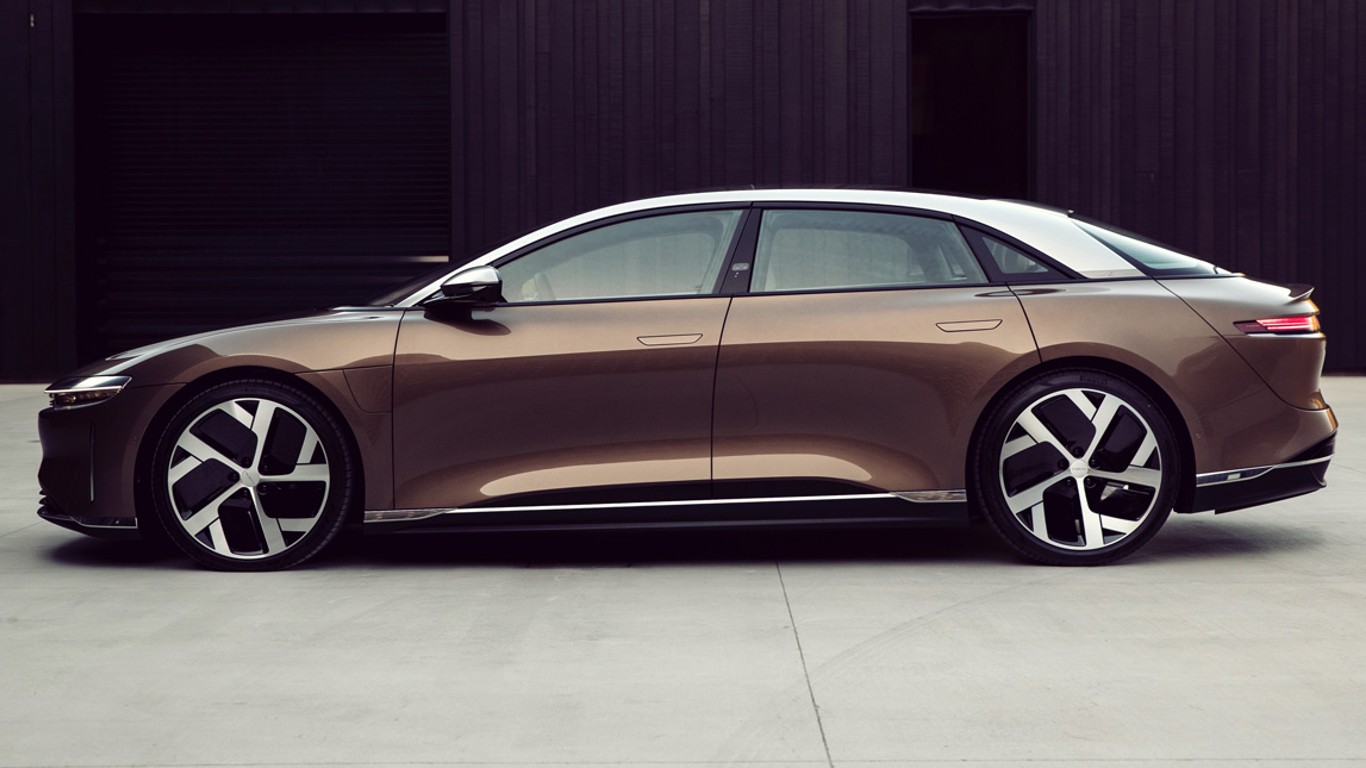
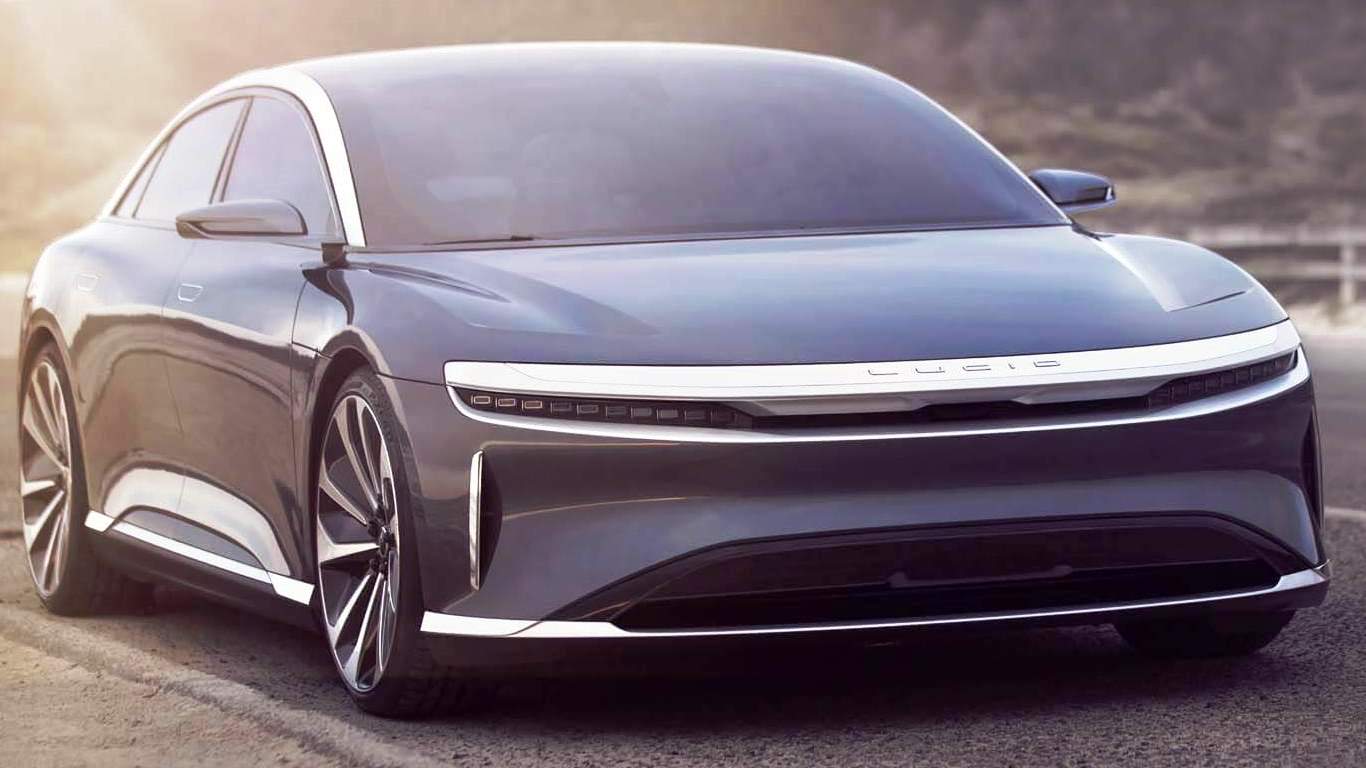
Lucid has at least two other problems it cannot overcome. First, its most inexpensive product is the Lucid Pure at $69,600. The Lucid Air Grand Touring has a base price of $114,900. High prices have hampered EV sales in the United States. Most companies seeking to win the U.S. EV race are targeting a $25,000 product.
Lucid’s second problem is that Tesla still has just shy of 50% of U.S. EV sales. Almost every legacy car company is pushing into the market. In terms of sales, the most successful among these are GM, Ford, and Hyundai, each of which has a market share of 10%. Both German and Japanese companies also have products. The U.S. market has become more crowded almost every month.
There is one wildcard that also works against Lucid’s success. Most experts in the car industry say that Chinese manufacturers make the best EVs and that the price point for these is low. If they can ever overcome U.S. tariffs, the EV market will become a slugfest in which American companies are at a disadvantage.






 Top Gaining Stocks
 Top Losing Stocks