GM Tries to Get Back Into Self-Driving Cars After Major Failure

Photo of Douglas A. McIntyre
By Douglas A. McIntyre Published
This post may contain links from our sponsors and affiliates, and Flywheel Publishing may receive compensation for actions taken through them.
GM Tries to Get Back Into Self-Driving Cars After Major Failure

© carlballou / Getty Images

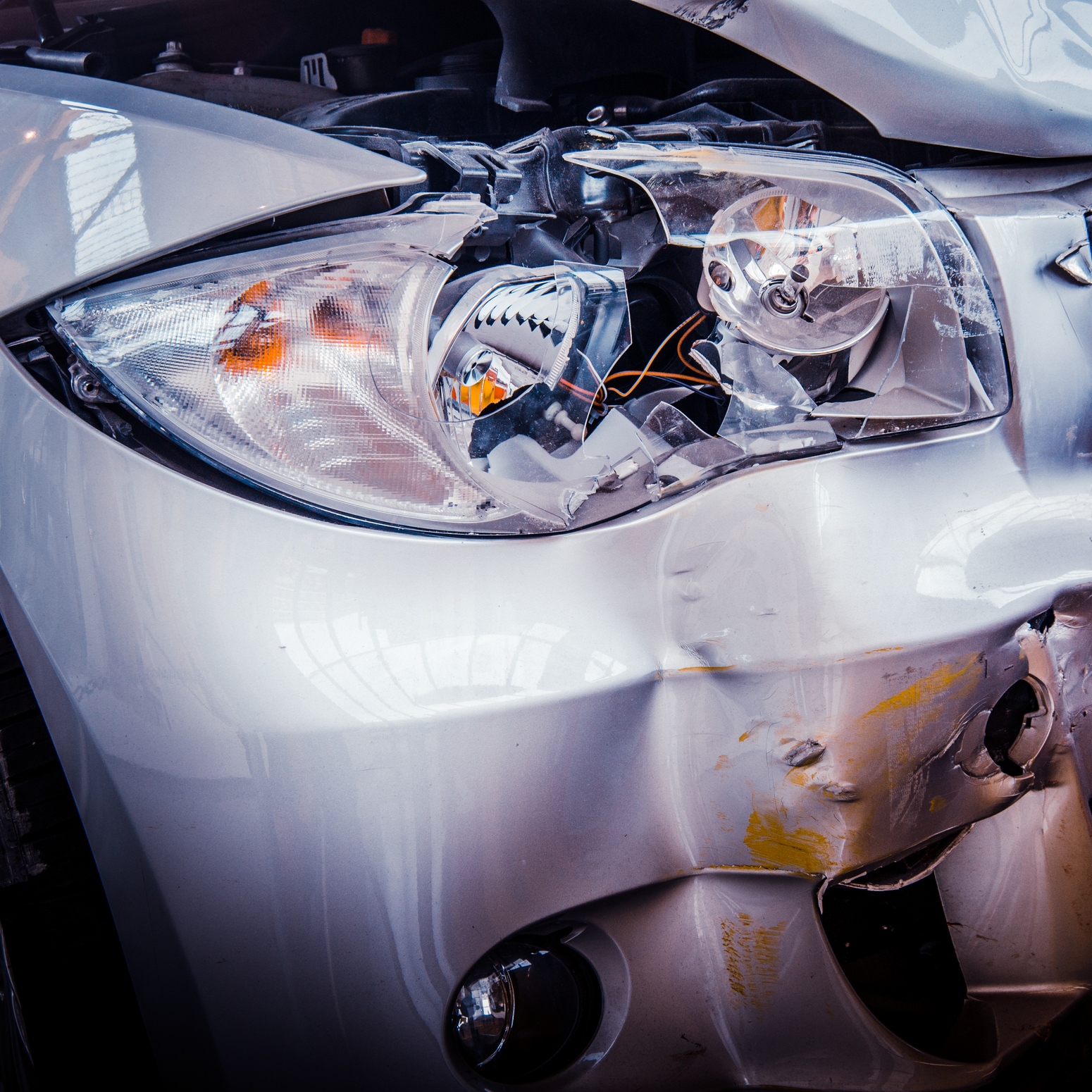
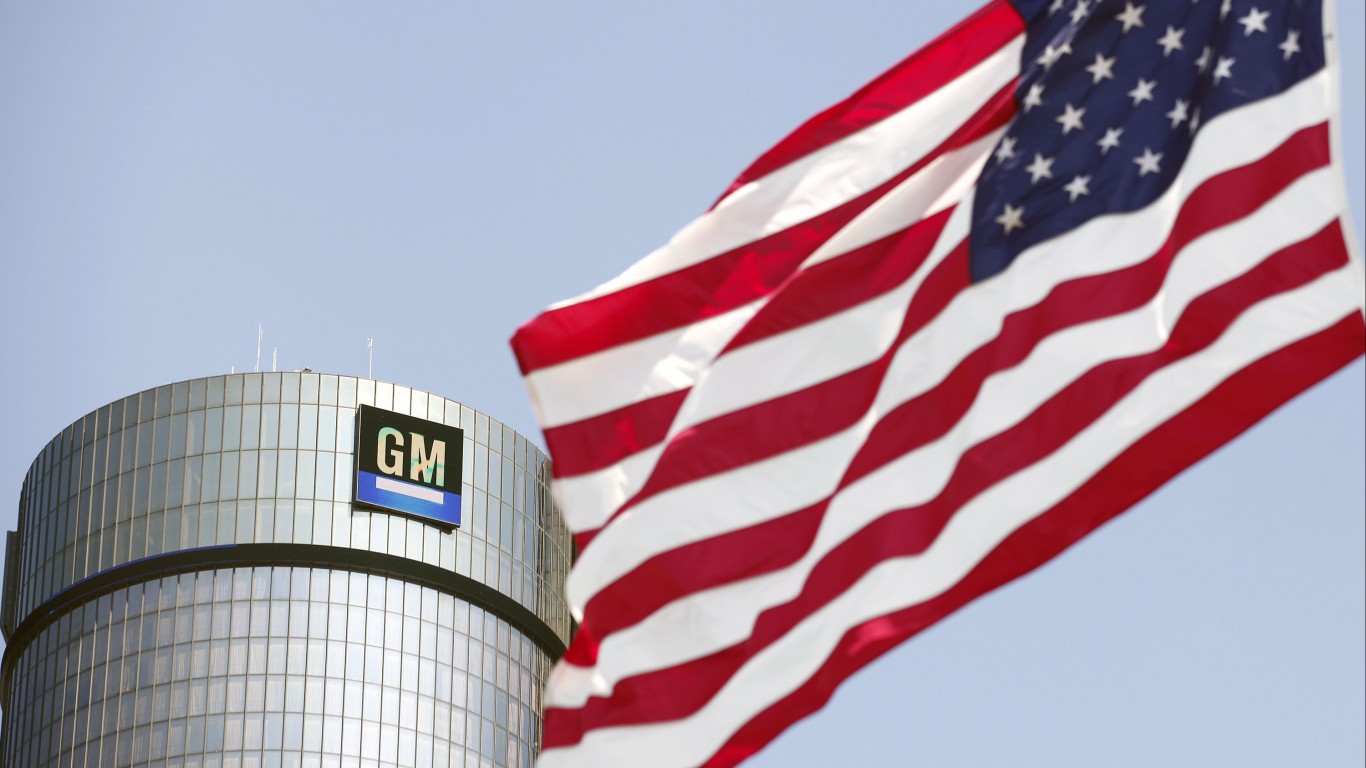
The self-driving car business of General Motors Co. (NYSE: GM | GM Price Prediction) seemed to have a permanent setback when one of its Cruise vehicles badly injured a woman in San Francisco last October 2. To make matters worse, the California Department of Motor Vehicles said Cruise covered up the incident by pulling its “driverless” permit. Tests might have continued if there had been a human in the self-driving car. By November 20, Cruise’s CEO Kyle Vogt was out. Not a company to give up, GM is trying to begin self-driving tests in Houston and Dallas, according to Bloomberg.

Cruise told Bloomberg, “Our goal is to relaunch in one city with manually driven vehicles and supervised testing as soon as possible once we have taken steps to rebuild trust with regulators and the public.” But is the public ready? Self-driving cars have a reputation as dangerous and not useful on roads without a great deal of traffic. On side roads, with cars or people suddenly cutting in front of Cruise cars, self-driving is not stable.

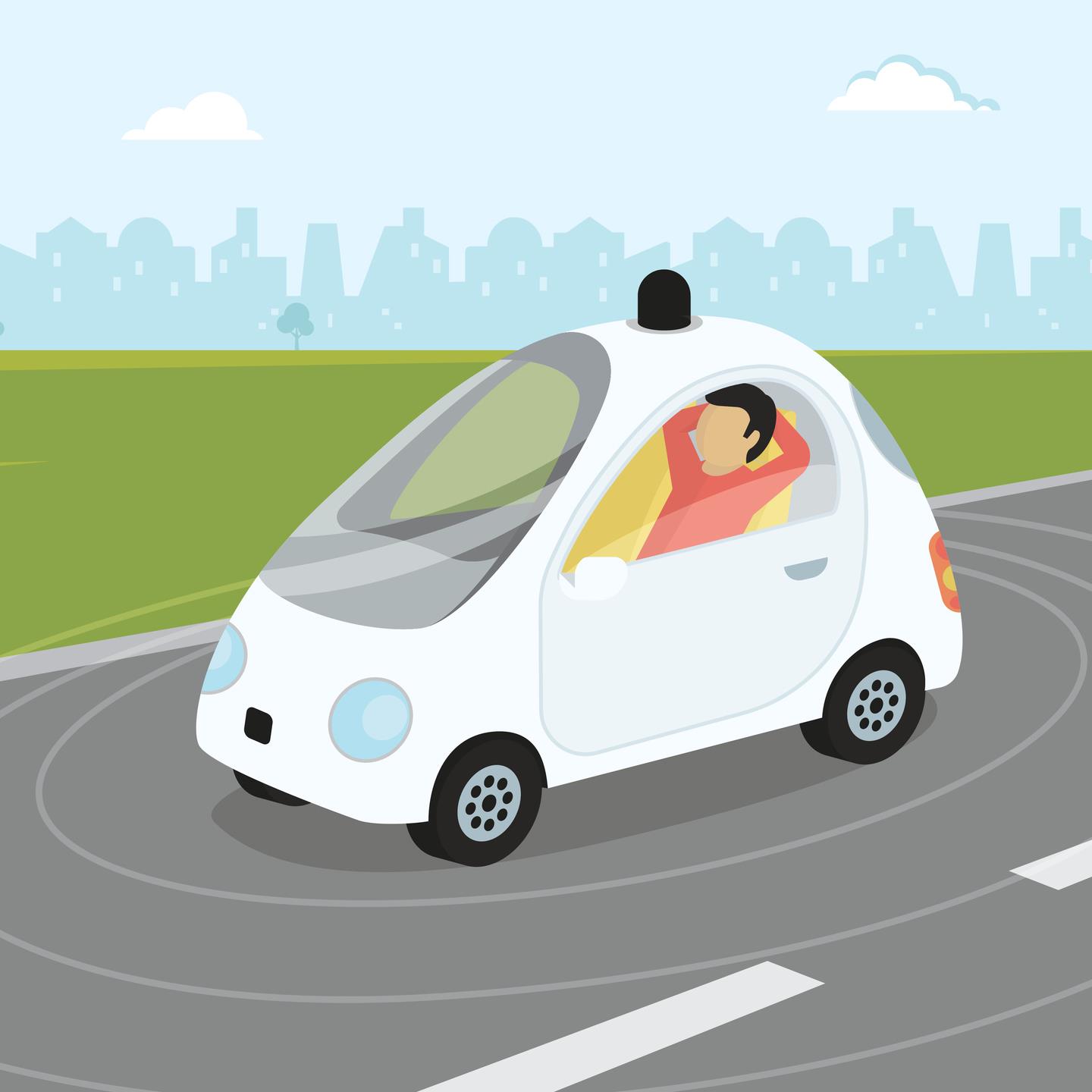
Autonomous vehicles, as self-driving cars are also known, are supposed to be the wave of the future. Perhaps even more so than electric vehicles are. At some point, perhaps years from now, people will be able to sit in cars and accomplish tasks without watching the road and worrying about dangerous, and suddenly dangerous, conditions.

Accidents have shaken public confidence in self-driving cars. Even if the new GM Cruise experiment in Texas works, the future of these vehicles may be difficult for years to come.

The Most High-Tech and Low-Tech Car Brands: Every Major Brand Ranked

Photo of Douglas A. McIntyre
About the Author Douglas A. McIntyre →

Douglas A. McIntyre is the co-founder, chief executive officer and editor in chief of 24/7 Wall St. and 24/7 Tempo. He has held these jobs since 2006.

McIntyre has written thousands of articles for 24/7 Wall St. He is an expert on corporate finance, the automotive industry, media companies and international finance. He has edited articles on national demographics, sports, personal income and travel.

His work has been quoted or mentioned in The New York Times, The Wall Street Journal, Los Angeles Times, The Washington Post, NBC News, Time, The New Yorker, HuffPost USA Today, Business Insider, Yahoo, AOL, MarketWatch, The Atlantic, Bloomberg, New York Post, Chicago Tribune, Forbes, The Guardian and many other major publications. McIntyre has been a guest on CNBC, the BBC and television and radio stations across the country.

A magna cum laude graduate of Harvard College, McIntyre also was president of The Harvard Advocate. Founded in 1866, the Advocate is the oldest college publication in the United States.

TheStreet.com, Comps.com and Edgar Online are some of the public companies for which McIntyre served on the board of directors. He was a Vicinity Corporation board member when the company was sold to Microsoft in 2002. He served on the audit committees of some of these companies.

McIntyre has been the CEO of FutureSource, a provider of trading terminals and news to commodities and futures traders. He was president of Switchboard, the online phone directory company. He served as chairman and CEO of On2 Technologies, the video compression company that provided video compression software for Adobe’s Flash. Google bought On2 in 2009.

Continue Reading

Top Gaining Stocks

CBOE Vol: 1,568,143
PSKY Vol: 12,285,993
STX Vol: 7,378,346
ORCL Vol: 26,317,675
DDOG Vol: 6,247,779

Top Losing Stocks

LKQ
LKQ Vol: 4,367,433
CLX Vol: 13,260,523
SYK Vol: 4,519,455
MHK Vol: 1,859,865
AMGN Vol: 3,818,618