


Key Points
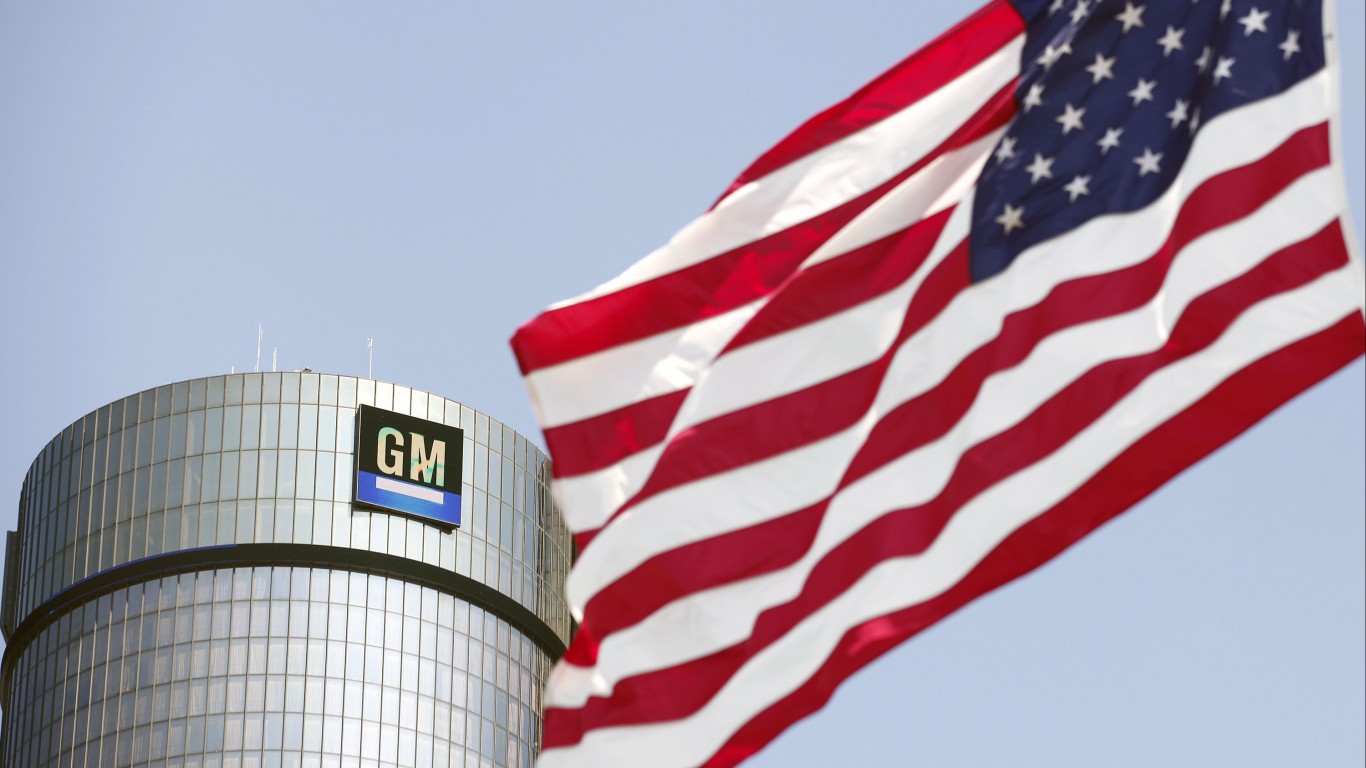
- General Motors Co. (NYSE: GM | GM Price Prediction) has walked away from the robotaxi business.
- It will instead focus on autonomous, self-driving cars.
- Take this quiz to see if you’re on track to retire. (sponsored)
General Motors Co. (NYSE: GM) has walked away from what many auto experts believe is a critical part of the industry’s future just as Tesla Inc. (NASDAQ: TSLA) enters the sector. GM will refocus its Super Cruise toward self-driving individual cars and exit the robotaxi business.
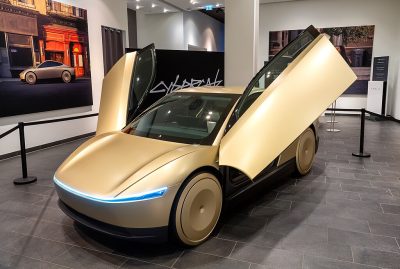
The move means the robotaxi will have one less major competitor. It gives an advantage to Google’s Waymo and Tesla’s Cybercab, which CEO Elon Musk launched earlier this year. The GM effort involves moving Cruise LLC into its overall self-driving operations. The company will assign the engineers working on its taxi project to a plan to build self-driving cars for private drivers.
Aside from competition, GM left robotaxis for an obvious reason. It is what the number one U.S. car company calls “scale.” The cost of scaling would go against CEO Mary Barra’s plan to enter the autonomous vehicle market in a “capita-efficient manner.” According to The New York Times, the Cruise project has already cost GM $10 billion.
What’s Next for GM
Giving the green light to autonomous vehicles.
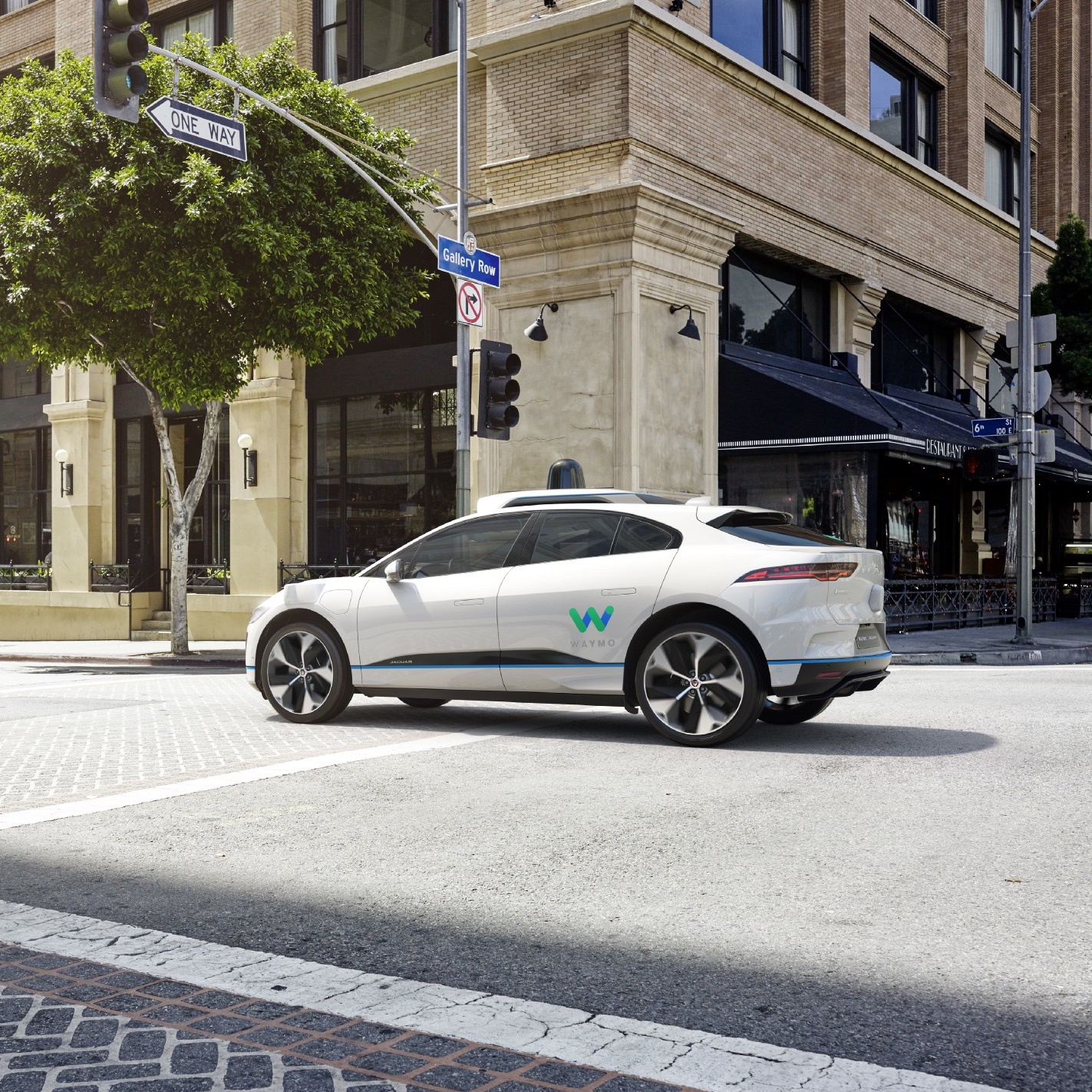
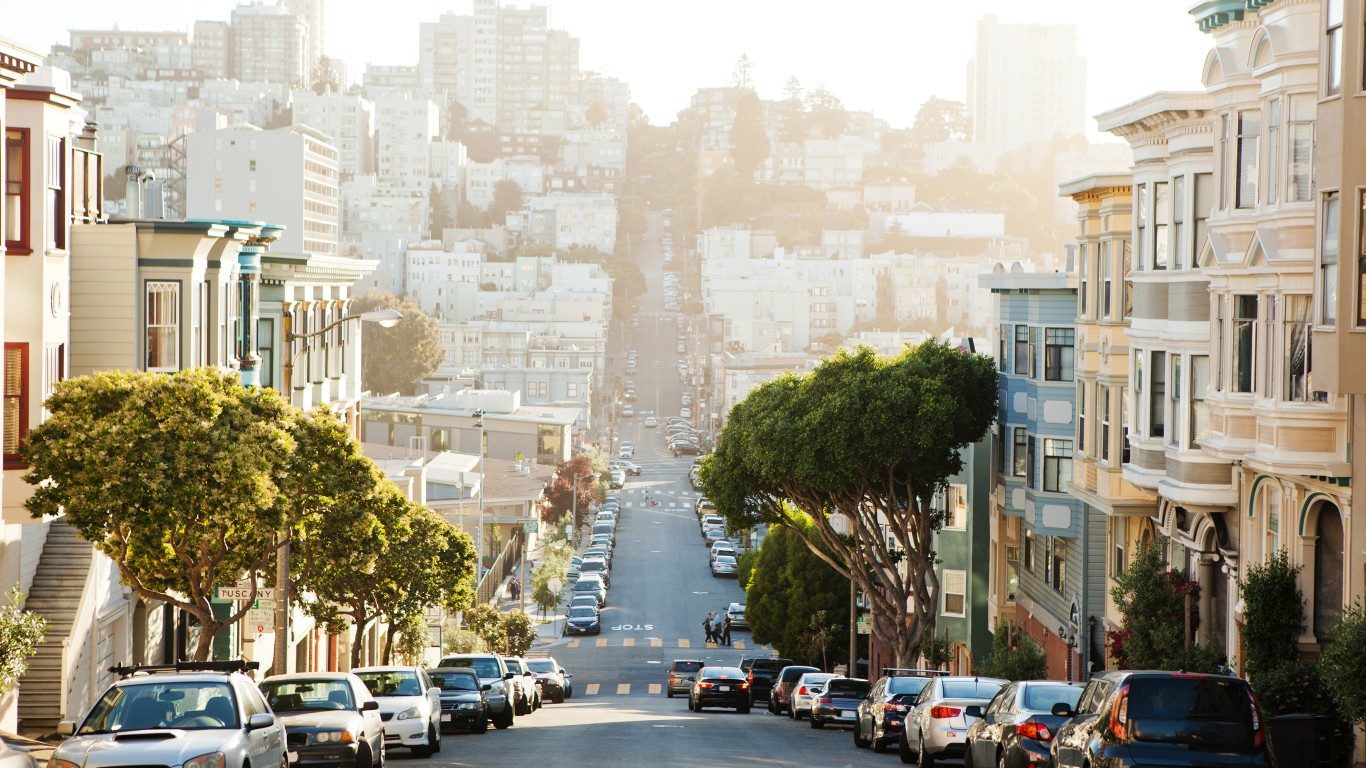
In the robotaxi business, GM has been behind Waymo and ahead of Tesla. The Tesla Cybercab has been announced, but it is not on the road. Waymo operates in San Francisco, Los Angeles, and Phoenix, and Google parent Alphabet Inc. (NASDAQ: GOOGL) owns it.
GM faced regulations across every city it wanted Cruise to enter. There is no federal set of approvals for self-driving vehicles, so the decision is largely left to city regulators. GM would have needed to get approval for each of these, one by one.
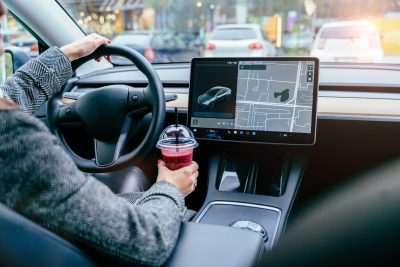
GM will remain in the business, which many think will be the largest advance since the electric vehicle. A truly autonomous vehicle would allow drivers to become passive passengers. This dream could be years in the future because of safety concerns by regulators and the public. GM is left to attack the market car by car sold to individuals instead of vehicles that can carry many people together around a city.






 Top Gaining Stocks
 Top Losing Stocks