As Fisker Goes Under, Is Lucid Next?

Photo of Douglas A. McIntyre
By Douglas A. McIntyre Published
This post may contain links from our sponsors and affiliates, and Flywheel Publishing may receive compensation for actions taken through them.
As Fisker Goes Under, Is Lucid Next?

© hapabapa / iStock Editorial via Getty Images

24/7 Insights

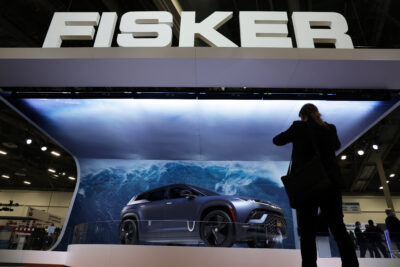
Fisker, the once-promising electric vehicle (EV) start-up, has filed for bankruptcy. Not only was the company out of money, but it could not effectively deliver its cars. It made 10,000 of its flagship Ocean vehicles last year but only delivered 4,900. Fisker recently dropped the price of the Ocean by up to $24,000.

One of Fisker’s problems is that it had a convertible note of about $180 million due. According to The Wall Street Journal, it did not have enough money in the bank to honor the obligations.

As small and weak EV companies get into trouble, the question of which company is next is often raised. It would be nice for investors in these public corporations if they all survived a market where Tesla Inc. (NASDAQ: TSLA) and every large car manufacturer have become desperate players. Legacy manufacturers are preparing for an EV future by spending billions of dollars, even while struggling with revenue. Ford and GM are having trouble getting sales figures close to Tesla’s.

Why Lucid May Be Next

Kim Grosz / iStock via Getty Images
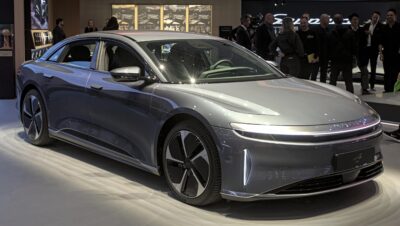
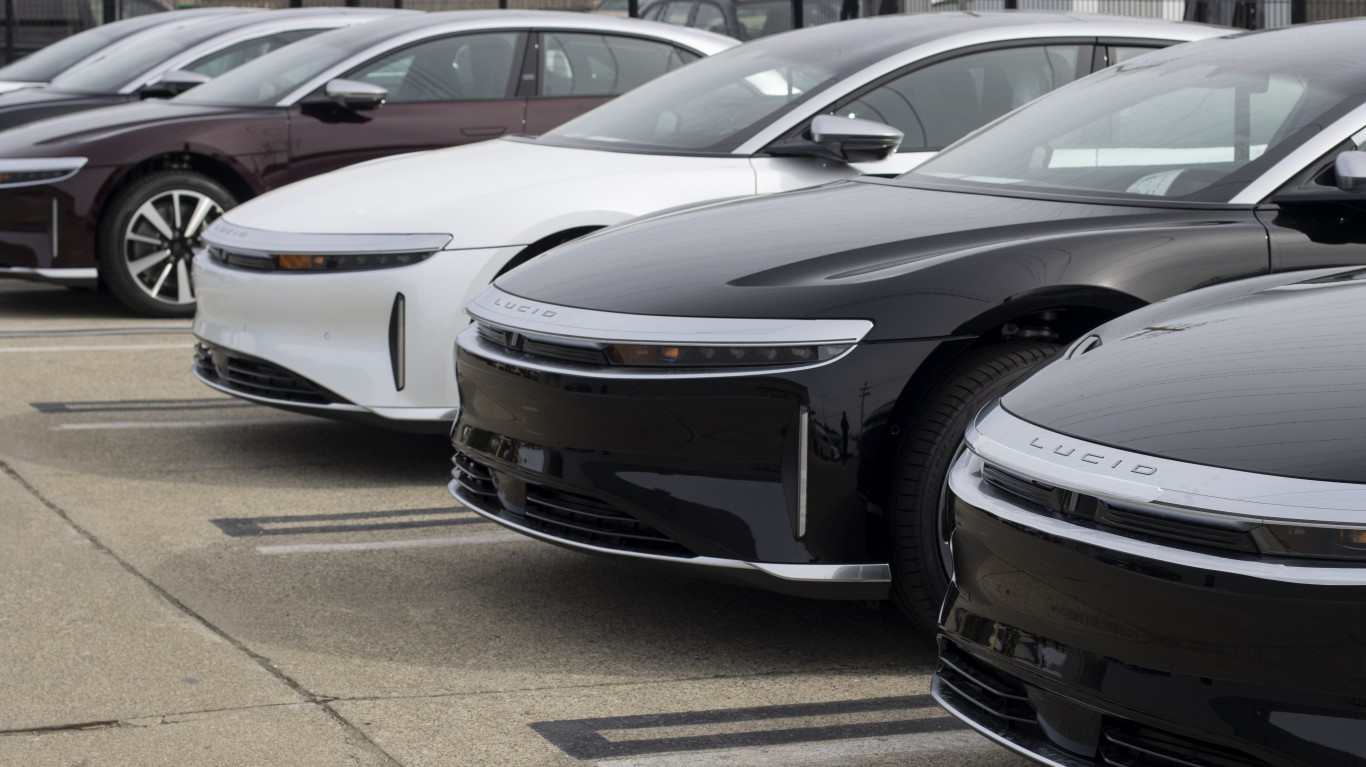
The stock market is often right. Shares in another small EV company are down 60% in the past year, while the S&P 500 is up 24%. The pessimism about Lucid Group Inc. (NASDAQ: LCID) is reflected in its price. At $2.61, it has become a penny stock. The price is also near its 52-week low.

How bad is Lucid’s situation? Late last year, Yahoo put its loss at $227,000 a vehicle. How can any car company dig itself out of such a deep hole?

Lucid does have one ally in the Saudi Arabia sovereign wealth fund. Ayar Third Investment Company, an affiliate of the Public Investment Fund, put $1 billion into the company via a series of convertible preferred stock, which was part of a private placement, the company reported. That money, which will be used for working capital, may not be enough to keep Lucid in business for more than a year.

In the most recent quarter, Lucid had revenue of $173 million, up from $149 million in the same quarter the year before. However, it posted a huge loss of $685 million, compared to a loss of $780 million the year before. Even if revenue increases by three times, Lucid will continue to lose money because of its high cost of revenue.

See the Top 10 EV Brands Right Now

Photo of Douglas A. McIntyre
About the Author Douglas A. McIntyre →

Douglas A. McIntyre is the co-founder, chief executive officer and editor in chief of 24/7 Wall St. and 24/7 Tempo. He has held these jobs since 2006.

McIntyre has written thousands of articles for 24/7 Wall St. He is an expert on corporate finance, the automotive industry, media companies and international finance. He has edited articles on national demographics, sports, personal income and travel.

His work has been quoted or mentioned in The New York Times, The Wall Street Journal, Los Angeles Times, The Washington Post, NBC News, Time, The New Yorker, HuffPost USA Today, Business Insider, Yahoo, AOL, MarketWatch, The Atlantic, Bloomberg, New York Post, Chicago Tribune, Forbes, The Guardian and many other major publications. McIntyre has been a guest on CNBC, the BBC and television and radio stations across the country.

A magna cum laude graduate of Harvard College, McIntyre also was president of The Harvard Advocate. Founded in 1866, the Advocate is the oldest college publication in the United States.

TheStreet.com, Comps.com and Edgar Online are some of the public companies for which McIntyre served on the board of directors. He was a Vicinity Corporation board member when the company was sold to Microsoft in 2002. He served on the audit committees of some of these companies.

McIntyre has been the CEO of FutureSource, a provider of trading terminals and news to commodities and futures traders. He was president of Switchboard, the online phone directory company. He served as chairman and CEO of On2 Technologies, the video compression company that provided video compression software for Adobe’s Flash. Google bought On2 in 2009.

Featured Reads

Our top personal finance-related articles today. Your wallet will thank you later.

Continue Reading

Top Gaining Stocks

CBOE Vol: 1,568,143
PSKY Vol: 12,285,993
STX Vol: 7,378,346
ORCL Vol: 26,317,675
DDOG Vol: 6,247,779

Top Losing Stocks

LKQ
LKQ Vol: 4,367,433
CLX Vol: 13,260,523
SYK Vol: 4,519,455
MHK Vol: 1,859,865
AMGN Vol: 3,818,618