


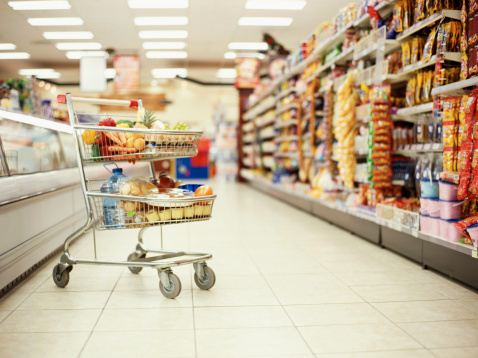
The 10 companies include London-traded (Associated British Foods (ABF), The Coca-Cola Co. (NYSE: KO), Paris-traded Danone SA (BN), General Mills Inc. (NYSE: GIS), Kellogg Co. (NYSE: K), privately held Mars Co., Mondelez International Inc. (NASDAQ: MDLZ), Swiss-traded Nestle SA (NESN), PepsiCo Inc. (NYSE: PEP), and Unilever plc (NYSE: UL) and are named in new report from Oxfam, Standing on the Sidelines.
The Oxfam report claims that these 10 companies are “failing to use their experience, leadership, and power to transform the own industry and push for the level of climate action the world needs” and accuses the companies, “[w]ith a few notable exceptions … of being silent accomplices to this unfolding crisis.”
According to Oxfam the effects of climate change that we are seeing currently — storms, floods, drought, and shifting weather patterns — are also causing crop failures, food supply disruptions, and rising food prices. By 2050 an additional 25 million malnourished children under the age of 5 and a total of 50 million more hungry will be among the impacts of climate change.
General Mills’s CEO said in March that the company had lost 62 days of production in the previous quarter due to extreme weather and that hasn’t happened to the company in decades. Unilever says it is now losing about $415 million a year due to extreme weather events.
The 10 firms have set targets to reduce emissions from their own operations which currently account for a total of 29.8 million tons annually of GHG emissions. The other 233.9 million tons are down to “indirect emissions associated with the company, from their supply chain s to the end use of their products.” The largest part of that indirect total, 114.1 million tons, comes from the production of agricultural raw materials used by the 10 companies. Oxfam says the agricultural emissions alone equal the annual carbon emissions of about 40 coal-fired power plants.
All 10 companies recognize the need to reduce their agricultural GHG emissions and 7 of the 10 measure and report what are known as “Scope 3” emissions every year through the Carbon Disclosure Project (CDP). Only Kellogg, General Mills, and Associated British Foods fail to file these reports. Four — Unilever, PepsiCo, Nestle, and Coca-Cola — disclose commodities suppliers driving the most emissions, but none has committed to a target to cut agricultural emissions or to require their suppliers to set reduction targets.
ALSO READ: 100% of California Suffers from Severe Drought — or Worse





 Top Gaining Stocks
 Top Losing Stocks