


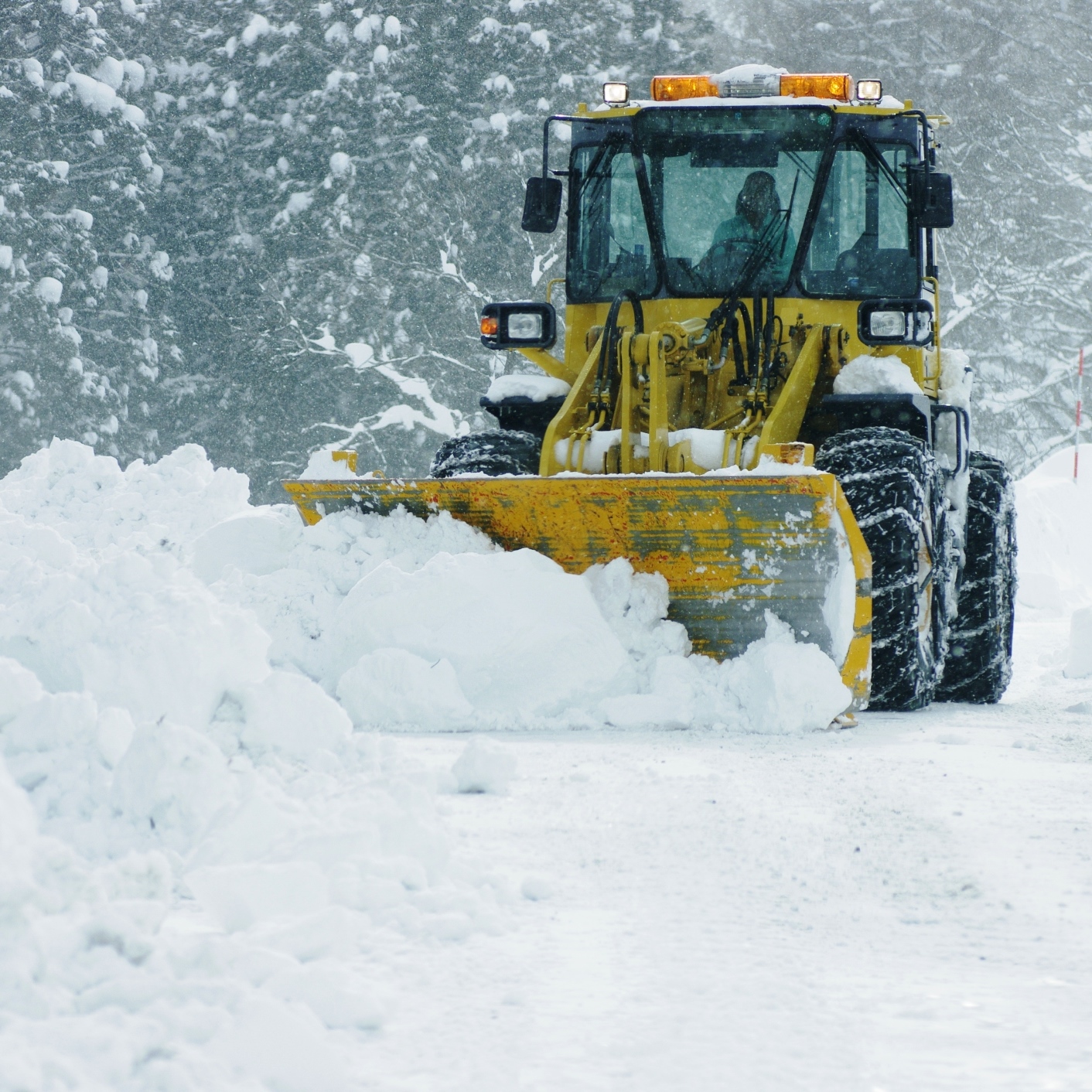
[cnxvideo id=”655419″ placement=”ros”]Earthquakes, wildfire, and blizzards are just some examples of how Mother Nature can fool with you. There isn’t much you can do to prevent them, but at least you can be prepared to deal with the consequences.
The Federal Emergency Management Agency (FEMA) recommends that people do three things to prepare for and respond to a potential emergency situation: assemble an emergency supply kit; make a plan; and get informed about what types of emergencies may occur where you live and how to respond to them.
In general, FEMA recommends that home emergency kits contain enough food and water for three days per person. Keep the kit where you can get to it easily if you need it. It should be portable enough for you to take it with you if you have to evacuate.
Here are the items that FEMA recommends for a basic emergency supply kit:
Water
One gallon per person per day for at least three days. Use for both drinking and sanitation.
Food
At least a three-day supply per person of non-perishable food. This can be canned or dehydrated or a combination. Make sure to pick foods your family will eat and remember any special dietary requirements. Try to avoid foods that will make you thirsty.
Battery-powered or hand-crank radio
FEMA also suggests you include a NOAA Weather Radio. Make sure to include extra batteries.
Flashlight
Again, hand-crank or battery-powered and make sure to include extra batteries.
First aid kit
Basic stuff like bandages, antiseptic cream, pain relievers, and antacids. Also any routine medication for household members.
Whistle
Used to signal for help.
Dust masks, plastic sheeting, and duct tape
The masks may be need to filter out dust or smoke. The plastic sheeting and duct tape may be used if you need to build a temporary shelter.
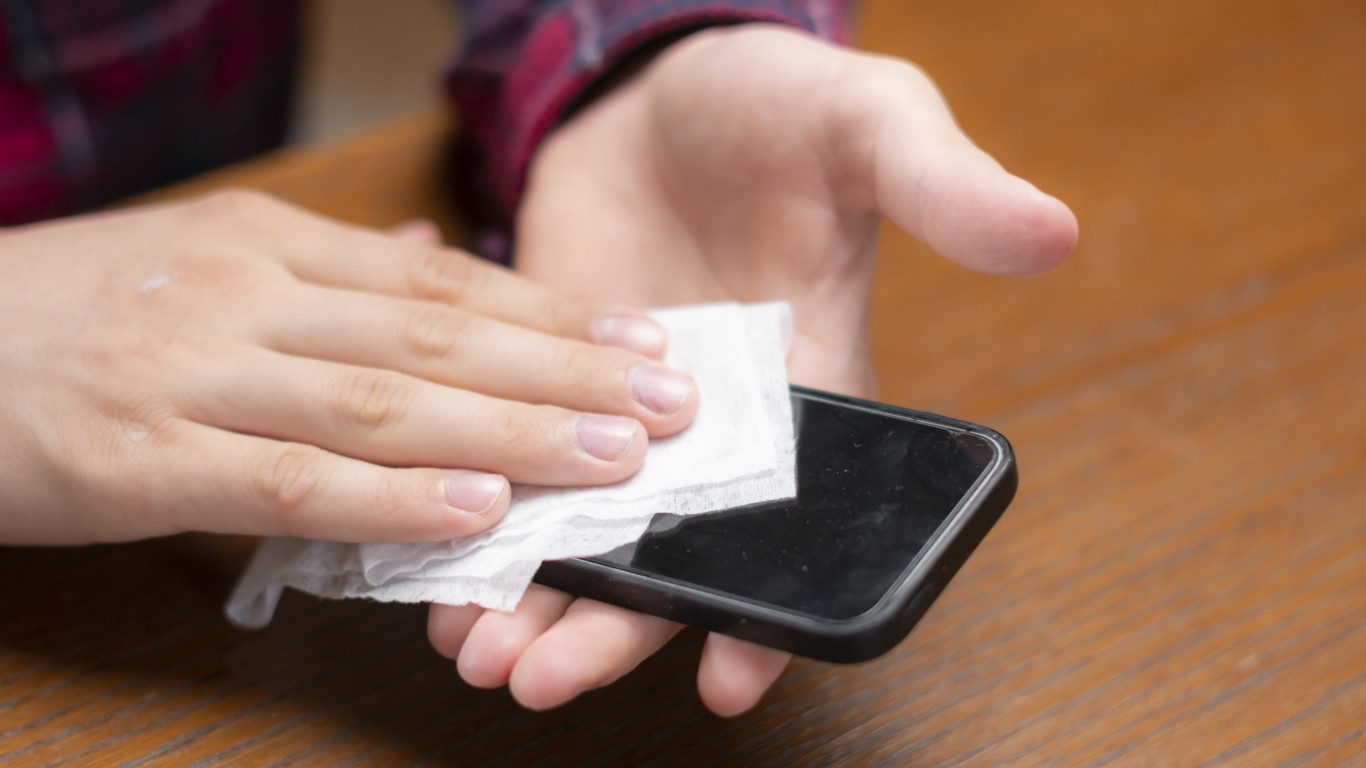
Moist towelettes, garbage bags, and plastic ties
Use for personal sanitation.
Tools to turn off utilities
You may need to turn the natural gas, electricity, or water supply to your house. Learn how to do this and make sure you have the tools you need to do the job.
Can opener and matches
Does this go without saying.
FEMA also has developed a longer list of additional items to consider adding to the basic kits. Visit the ready.gov website for additional information and recommendations.
Commercial kits for up to two people are also available for $100 to $200. These kits typically contain water packets, dehydrated food, and most of the other supplies on this list packed into a small backpack that you can just grab and go if the need arises.
If you spend a lot of time driving, you might want to keep an emergency kit of this sort in your car as well. And for winter driving safety, take a look at our winter emergency kit for your car.







 Top Gaining Stocks
 Top Losing Stocks