


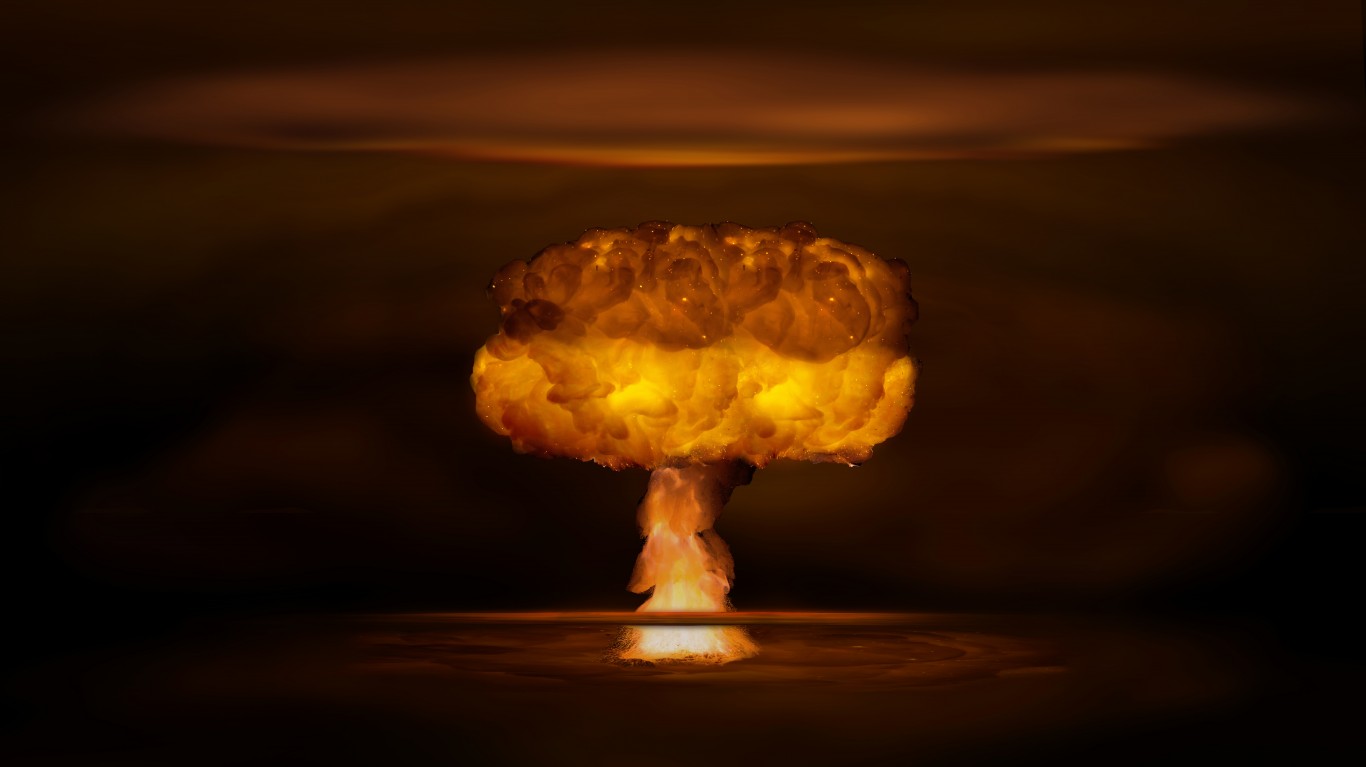
The United States has just awarded Boeing a massive $2.8 billion government contract. Boeing is set to build satellites for the purpose of advanced nuclear command-and-control communications. This comes amid a greater $946 billion modernization effort by the U.S., estimated to be completed by 2034. Meanwhile, American nuclear weapons are returning to the United Kingdom for the first time in 17 years. The U.K. is acquiring a dozen F-35A jets capable of carrying U.S. B61 bombs. A multitude of recent global factors have combined, heightening concerns regarding nuclear disaster. The Doomsday Clock remains at an all-time high of 89 seconds to midnight.
Following the terrorist attacks on Israeli citizens by Hamas in October of last year, Israel and Hamas forces have been in constant conflict with one another as they attempt to retain a stronghold in the Gaza Strip. Recent communications have led Israeli forces to begin a strategic pullout of the area as they prepare for another war front with the Lebanese militia, Hezbollah. They plan to now focus on “fighting Hamas hotspots and hunting high-value targets.” The need to build up their forces and conserve munitions plays a role in this plan, as Hezbollah holds tens of thousands of Iranian-trained fighters and thousands of missiles and rockets.
There has been a steady stream of news covering war and conflict from Israel and Ukraine over the last couple of years, stoking fears of nuclear attacks in the US. The use of nuclear weapons in these wars would not directly affect America, but the fallout could lead to the use of nuclear weapons by other countries or to what many feel would be “World War III.” The concern for an attack on American soil has only increased as these wars have deepened the resolve of many in power to choose one side or another.
Fear of nuclear attack is not a new phenomenon here in the States. After the detonation of the first atomic bomb in 1945, concerns became heightened. Air raid sirens designed during World War II remained operable during the Cold War. In the 1950s, the public was made aware of the threat of nuclear attack through frequent public service announcements. A PSA issued by New York State (known as “Duck and Cover”) for school children in the 1950s advised students to hide under their desks during a nuclear attack and cover their heads and necks. The PSA also advised people to go inside, stay away from windows, remove outer clothing, and shower with soap or shampoo to remove radiation from their clothes and skin.
To determine what Americans should do to prepare for nuclear war, 24/7 Wall St. reviewed a list of recommendations from the Centers for Disease Control and Prevention on how people can protect themselves and their families before, during, and after a nuclear blast. The 24/7 Wall St. list is more comprehensive, taking you through key steps before, during, and after an attack. (Here is an example of different types of alert sounds used).
This post was updated on July 11, 2025 to include information on Boeing’s recent $2.8 billion contract.
Why This Matters
Current international conflicts are again raising the public’s awareness of the threat of a nuclear attack on an American city. It pays to be aware of the steps you would need to take if a nuclear alert went out across the country. People in the 1950s were much more aware of what to do in the event of a nuclear threat than most people today.
Here is how Americans should prepare for a nuclear attack:
1. Gather supplies
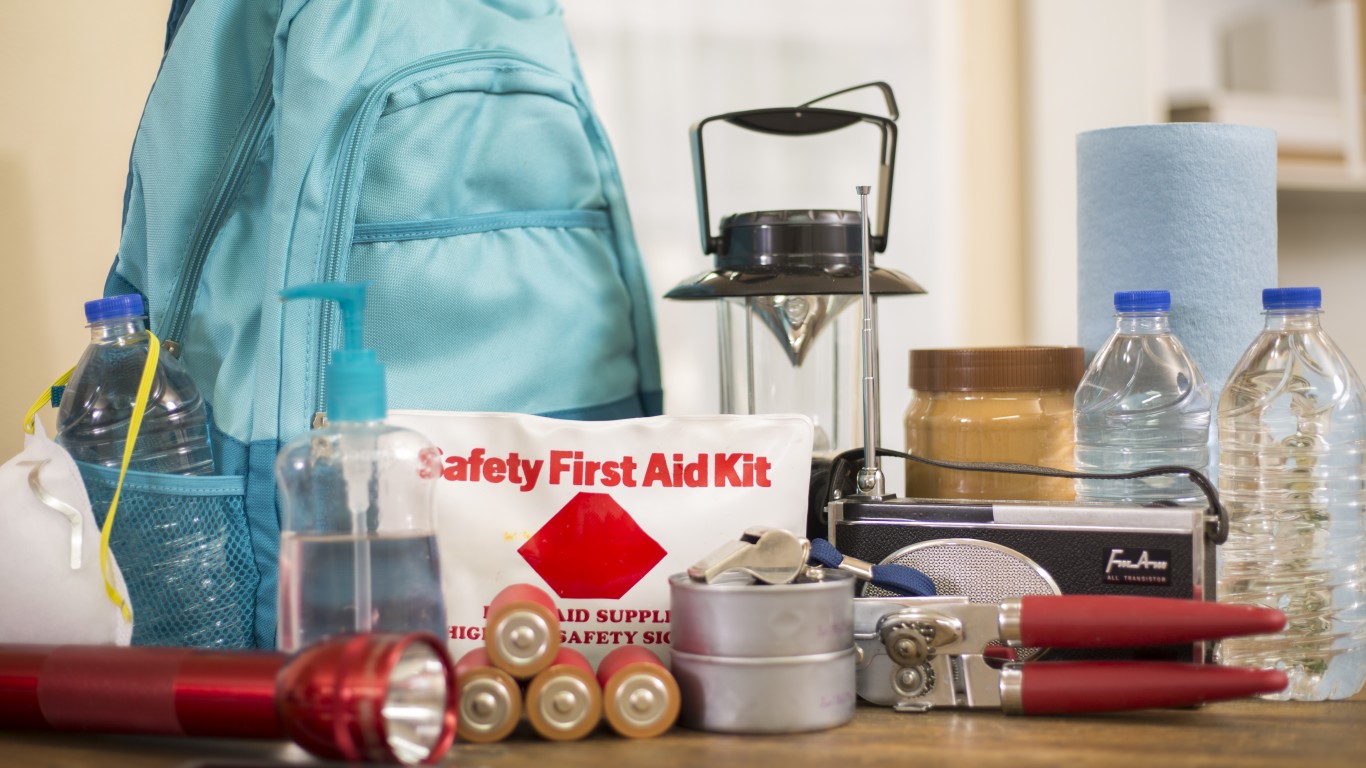
Prepare your emergency supply kit ahead of time. Include necessities such as:
- flashlight
- extra batteries
- battery-operated radio
- first aid kit
- food and water
- can opener
- medication
- cash and credit cards
- sturdy shoes
2. Have a plan

- Plan ahead with family and loved ones on a meeting spot or way to contact each other if communications are disabled.
3. Turn away and close and cover your eyes

- Turn away from the blast.
- Close your eyes and cover your head to help prevent damaged eyesight.
4. Drop to the ground
- Lie face down and place your hands under your body.
- Don’t get up right away but remain flat until the heat and shock waves pass.
5. Cover your mouth and nose

- Lie face down.
- Cover your mouth and nose with a handkerchief, scarf, or other cloth to avoid inhaling dangerous fallout pollution.
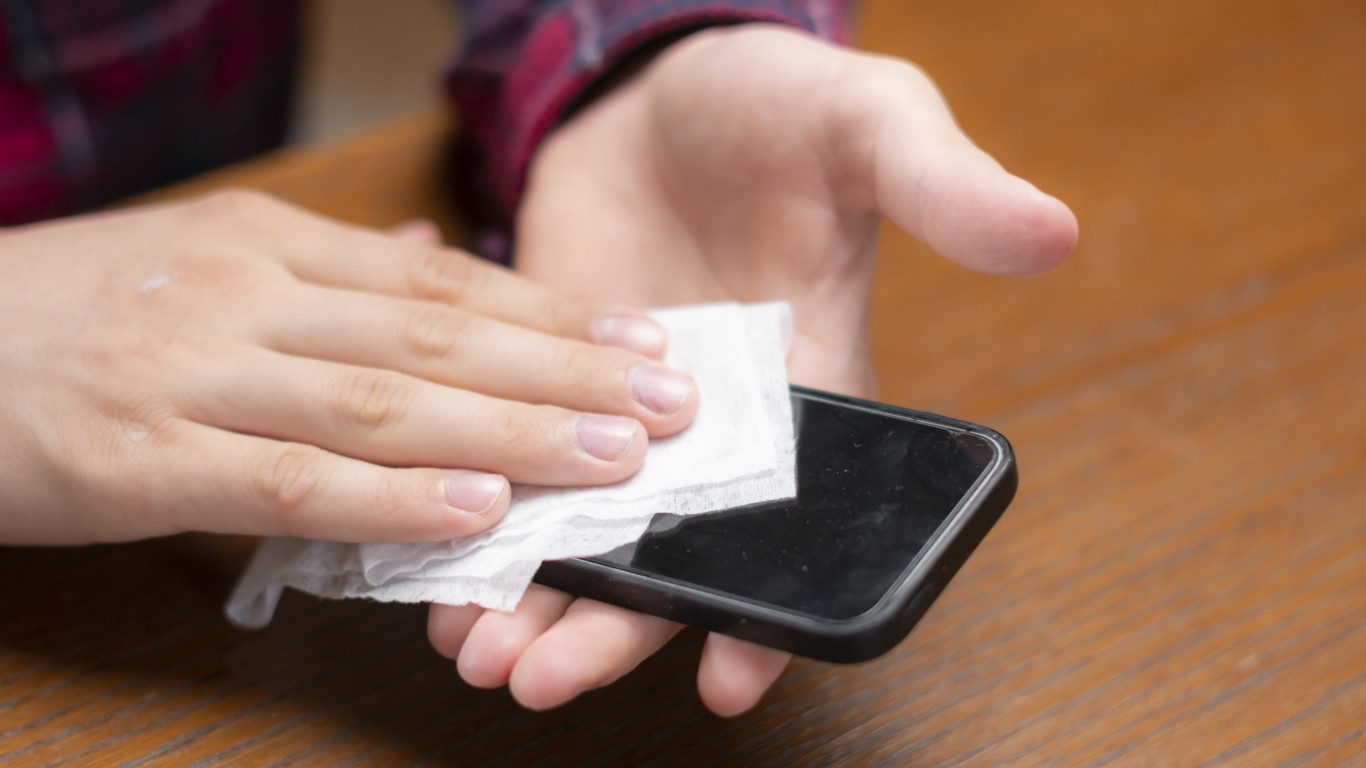
6. Remove any dust from your clothes
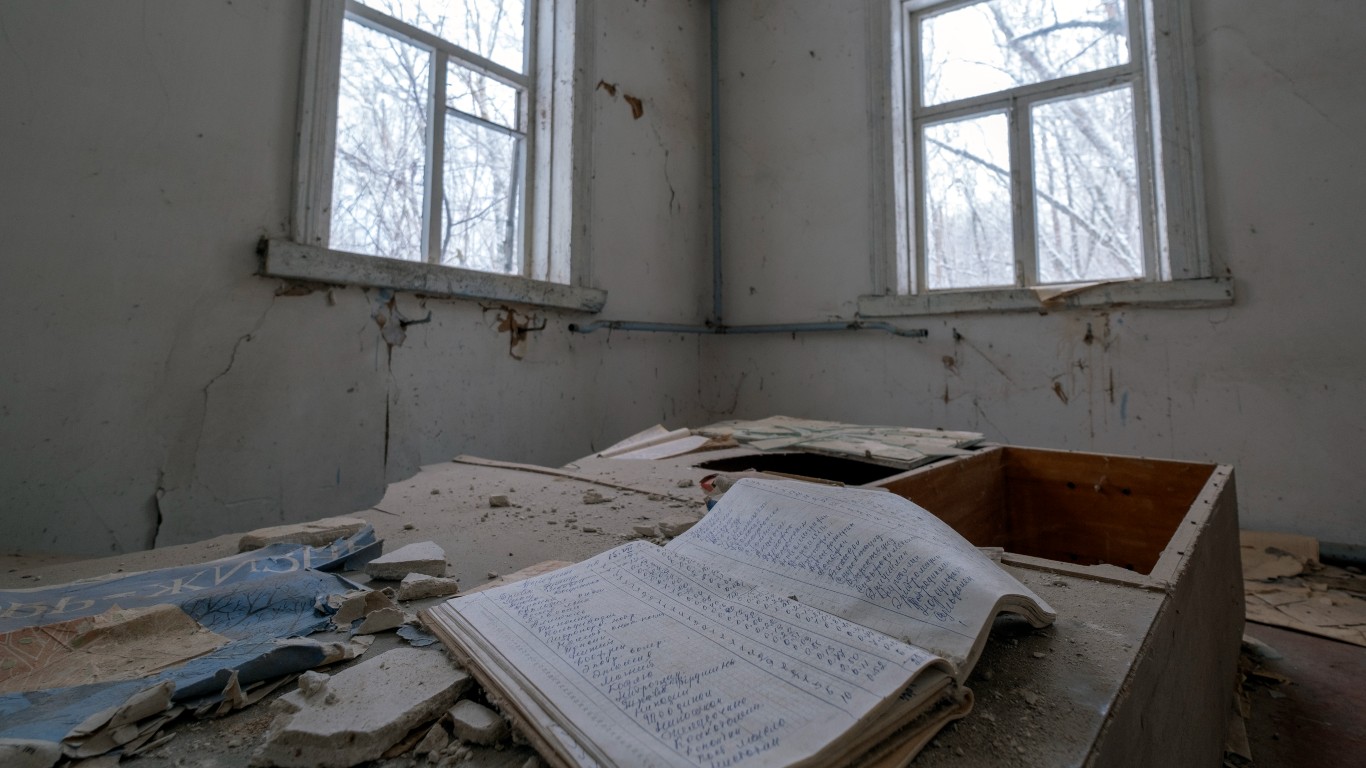
- Keep your mouth and nose covered while you brush, shake, or wipe any dust particles off your skin.
- Be sure you are in an area with good airflow.
7. Remove clothing

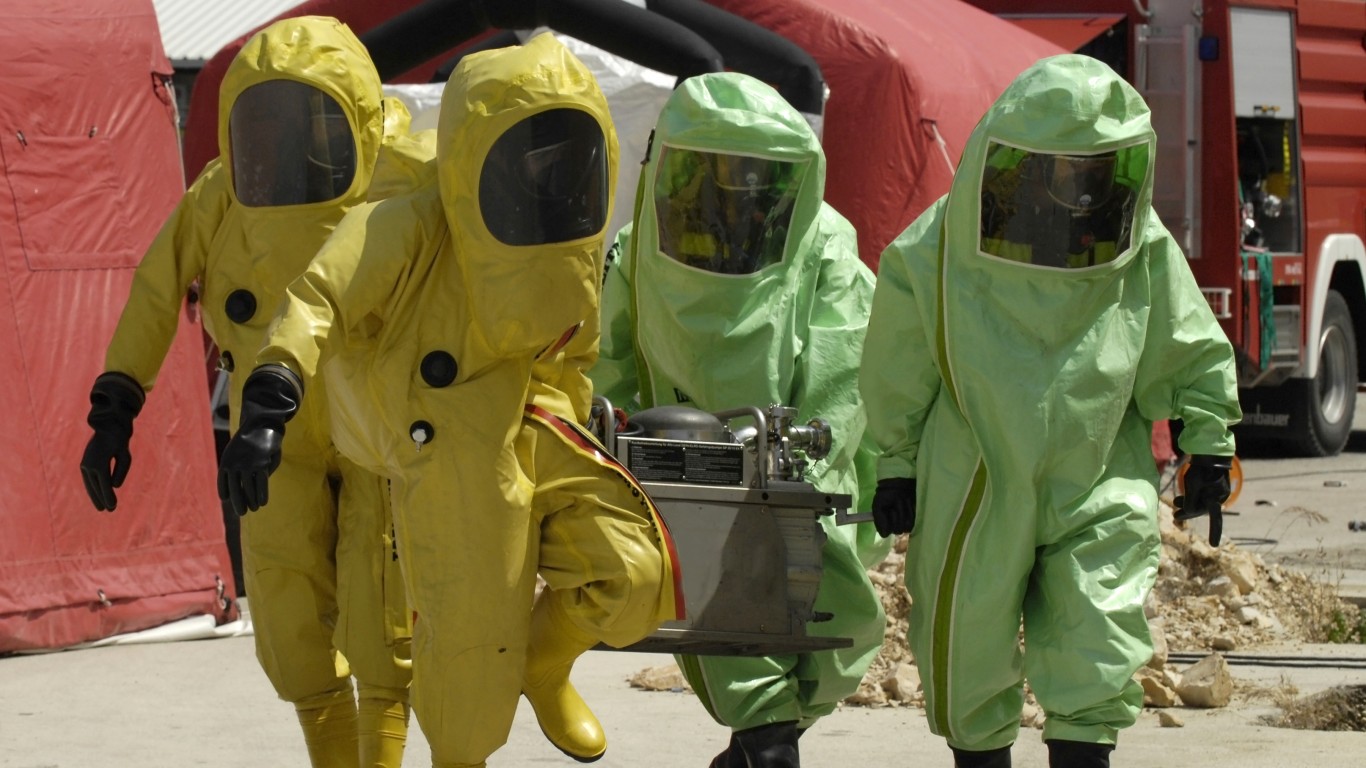
- Remove your clothing as it will likely be contaminated with radiation poisoning.
- Shower and change into fresh clothing before entering a nuclear shelter.
8. Move someplace safe
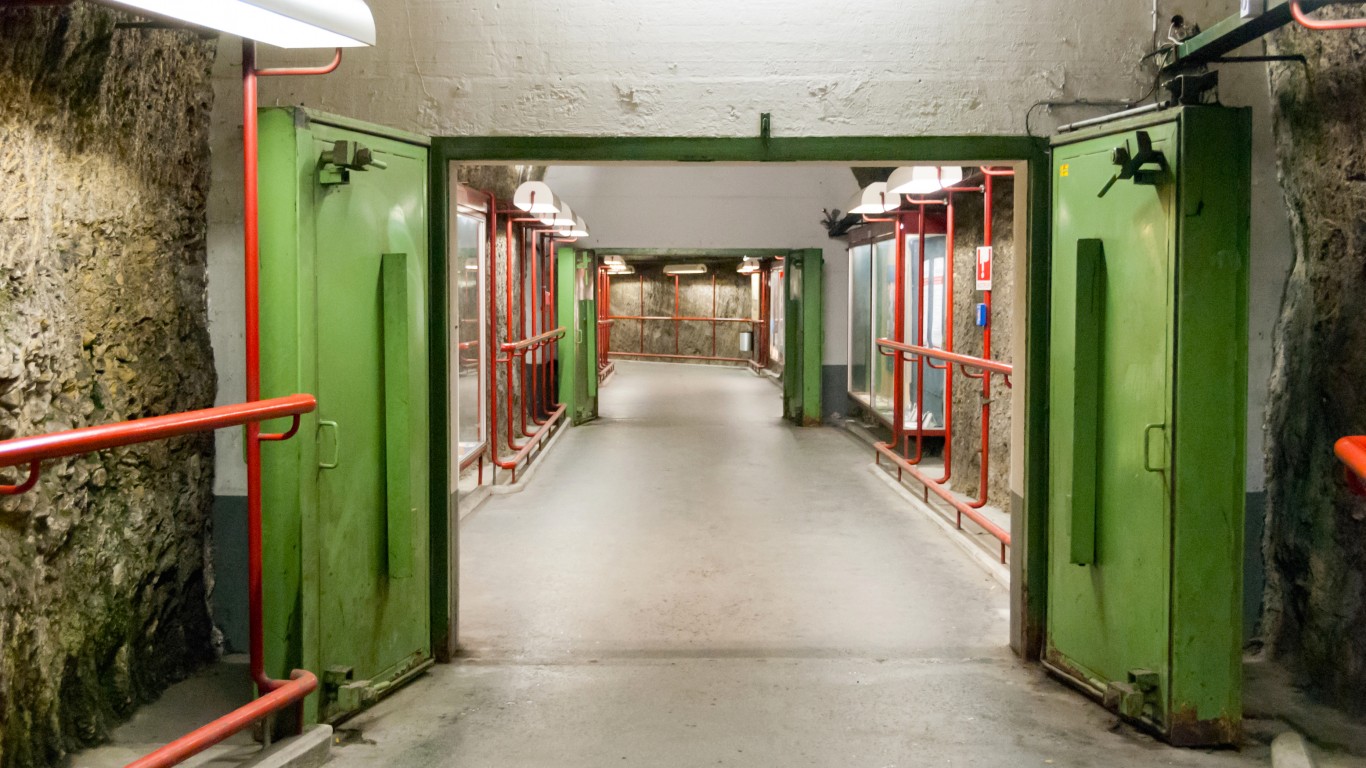
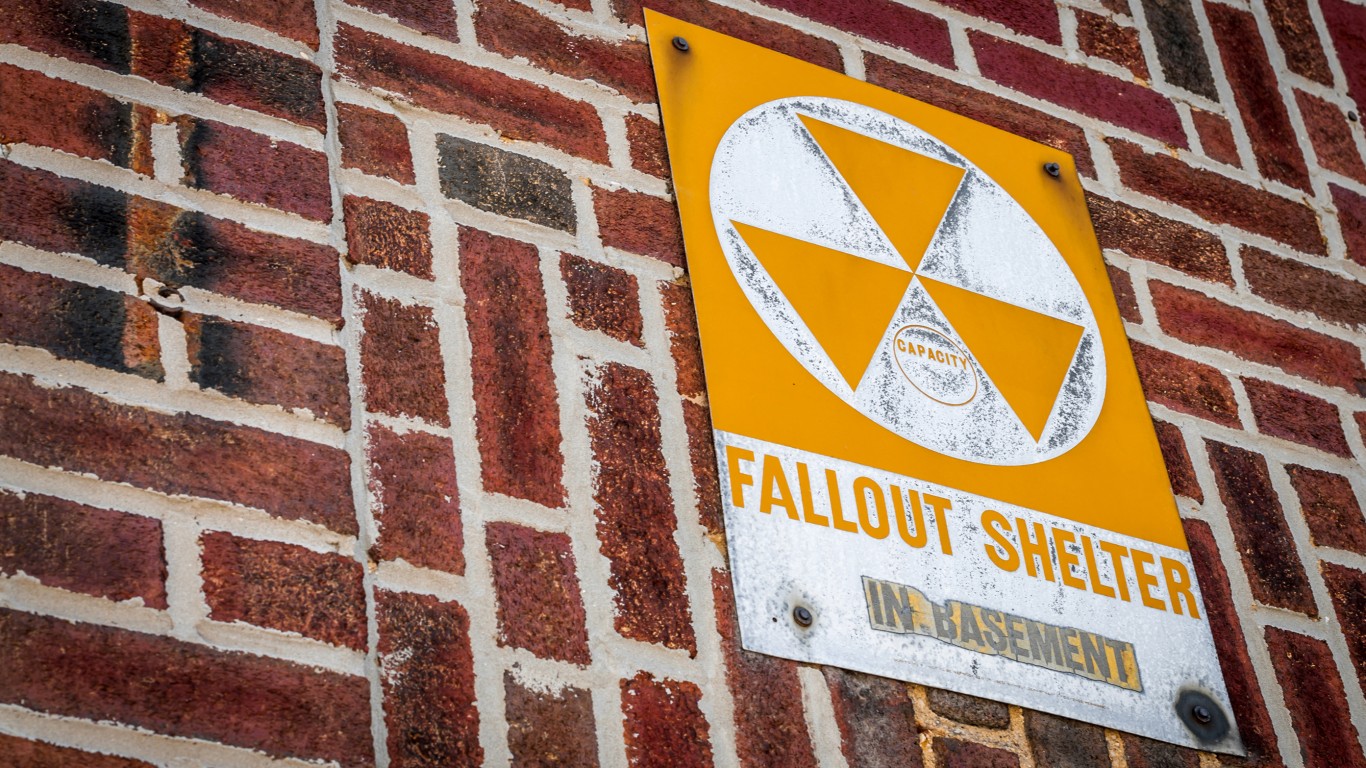
- Find a fallout shelter or a basement.
- Face away from the direction the wind is blowing.
9. Seal off the outside

- Once in your shelter, seal the doors and windows and turn off ventilation systems.
- Once the fallout cloud has passed, you can unseal the doors and windows to permit air circulation.
10. Stay inside
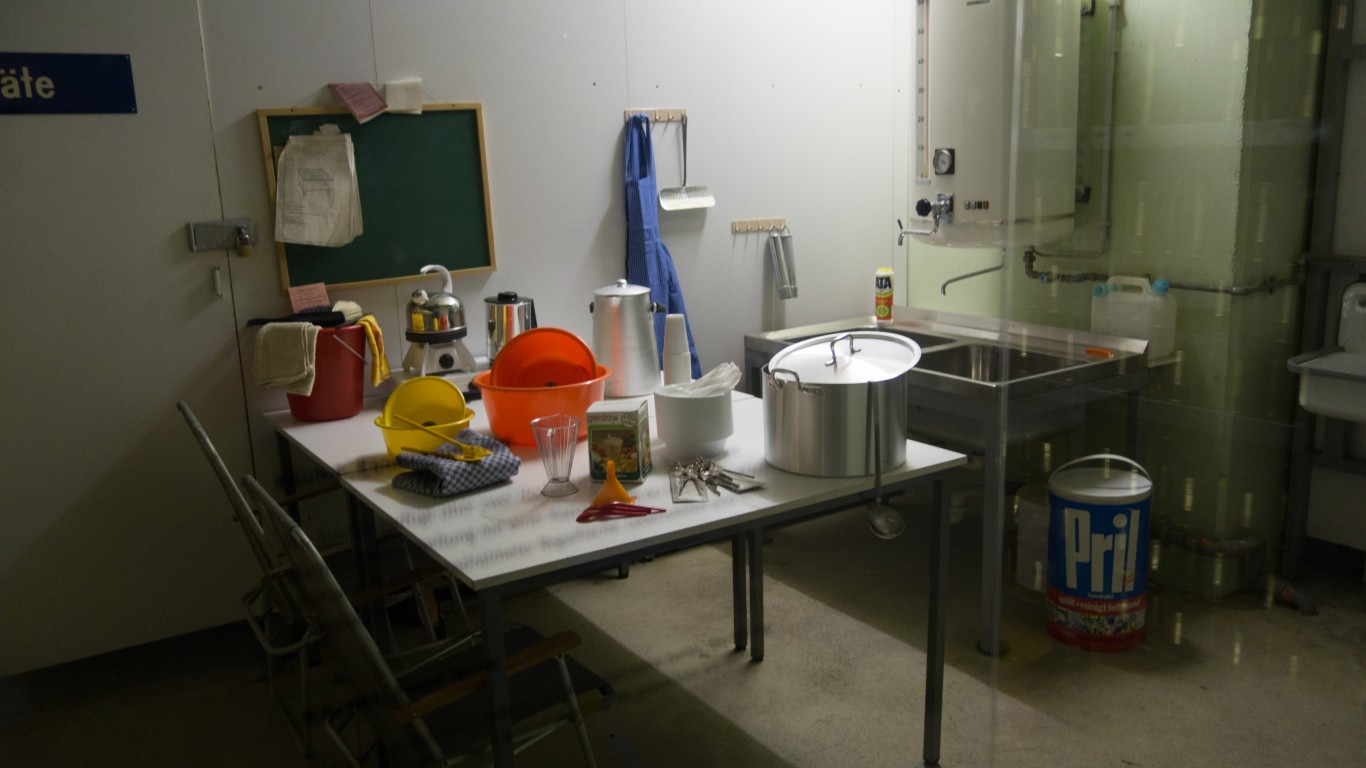
- Don’t go outside until reliable sources on local radio, TV, or the internet say it’s safe to emerge.
- When you leave your shelter, keep your mouth and nose covered with a damp towel.
11. Use stored food and drinking water
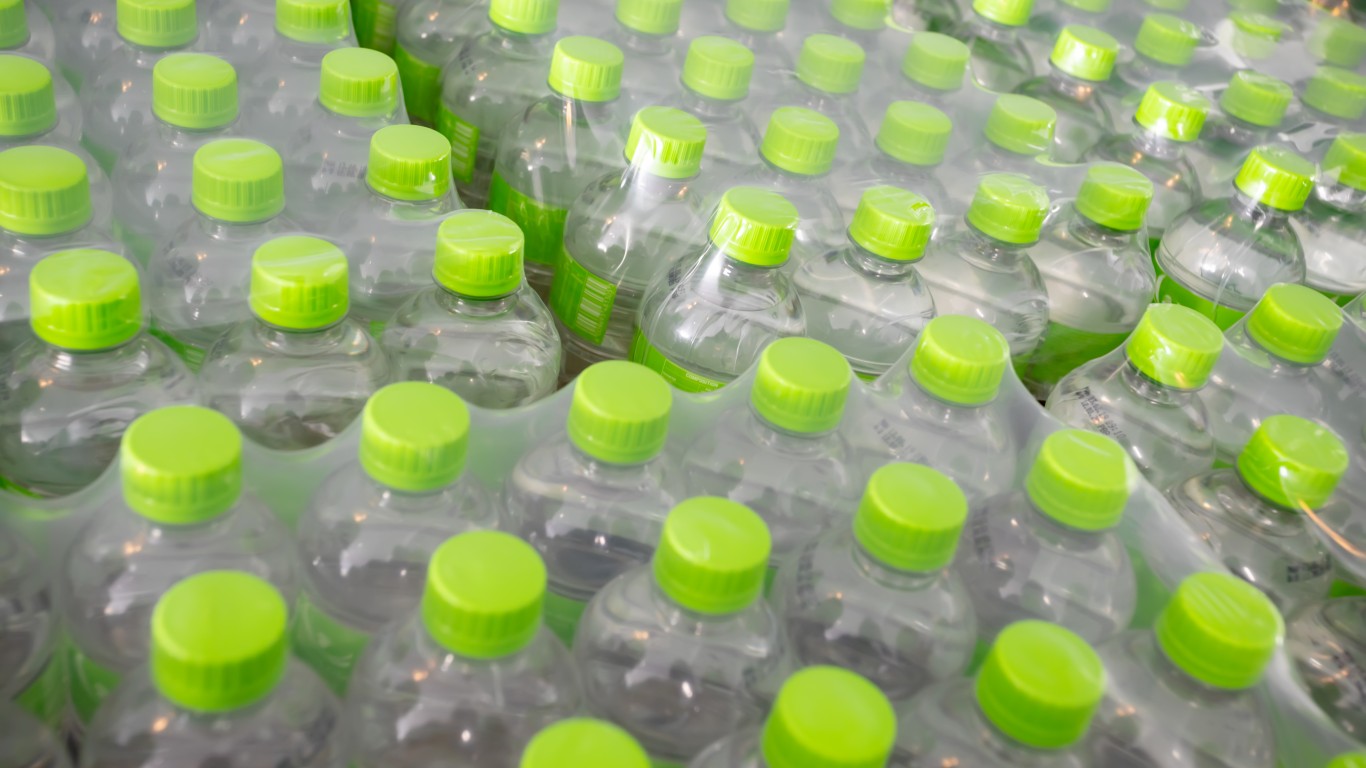
- Avoid local food or open water, which will likely be contaminated.
- Use the supplies you’ve stockpiled.
12. Prevent infection
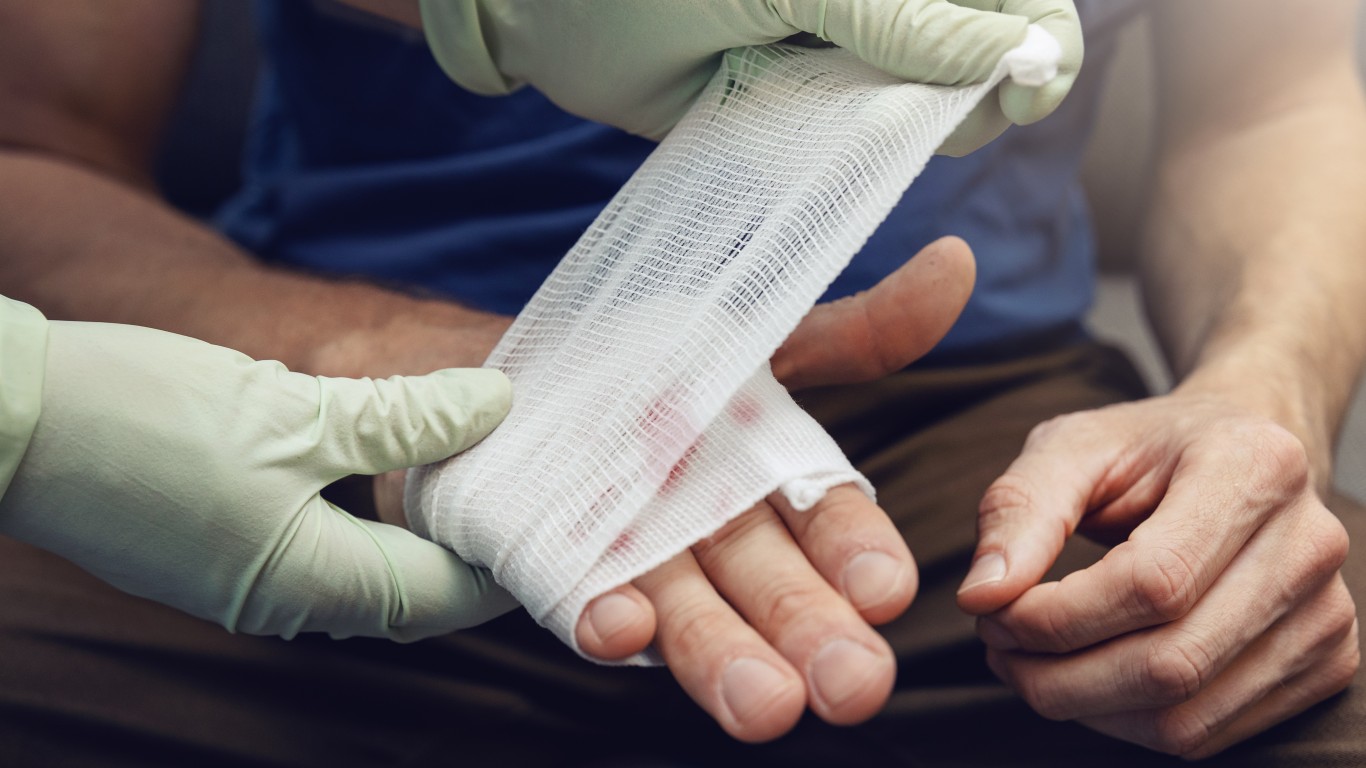
- Clean and cover any open wounds on your body.
- This will prevent infection and remove nuclear fallout from affected areas.
13. Listen to the radio or television
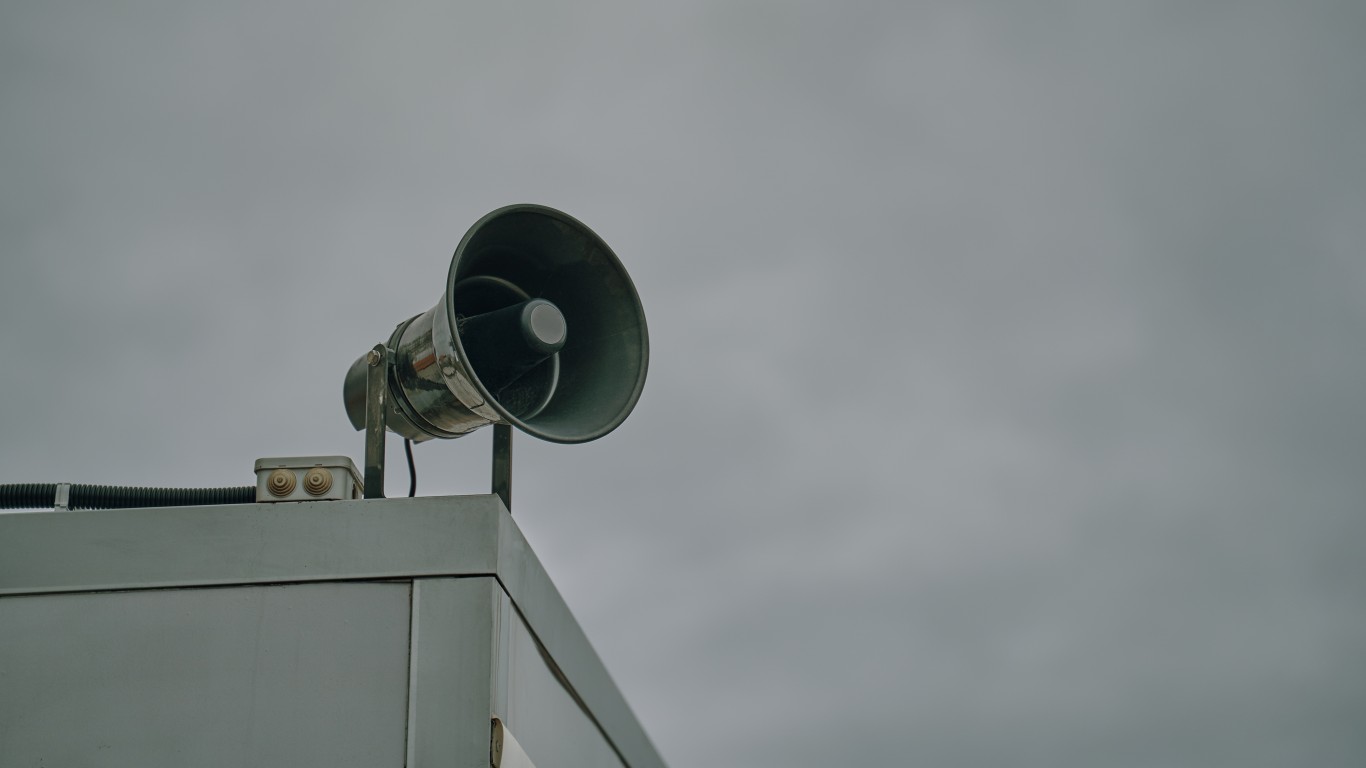
- Listen for information on evacuation routes, temporary shelters, and recommended procedures on local radio or television stations or check dependable online sources.
14. Take your emergency supplies
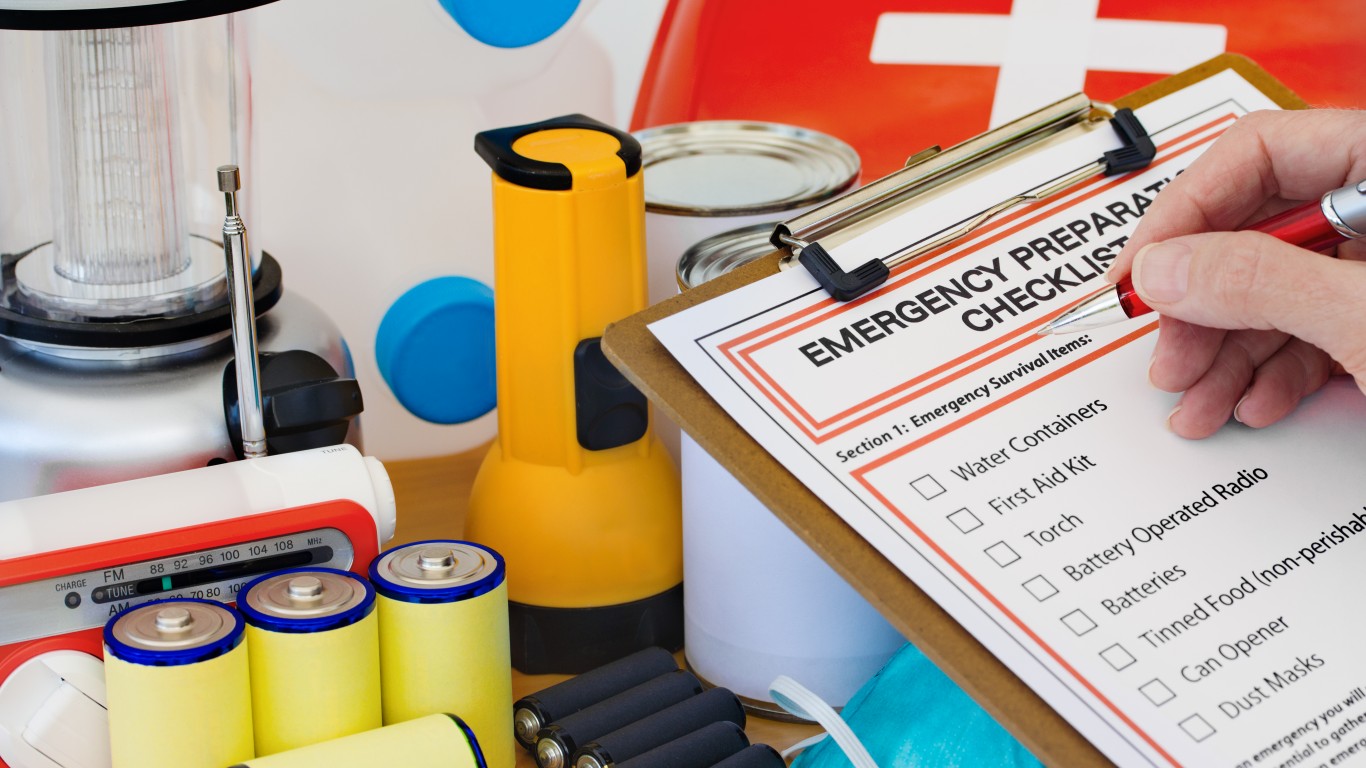
- When it’s time to leave your shelter, take clean food and water with you.
- Also bring other necessities such as a first aid kit, flashlight, and battery-operated radio.
15. On your way out, reseal the shelter
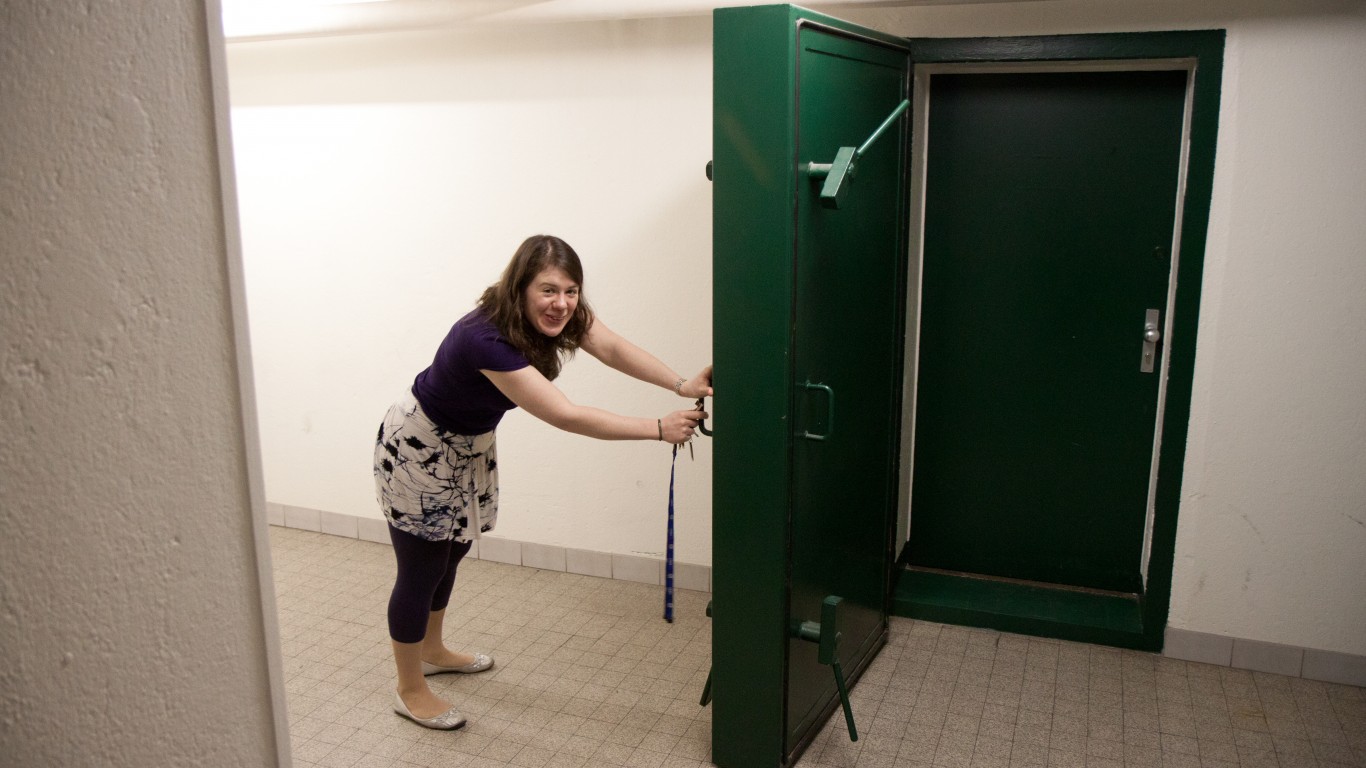
- As you leave your shelter, close and lock windows and doors.
- Turn off air conditioning, vents, fans, and furnaces.
16. Remember your neighbors

- If you are able, see if you can help others, especially the elderly, those with disabilities, and infants or young children.







 Top Gaining Stocks
 Top Losing Stocks