


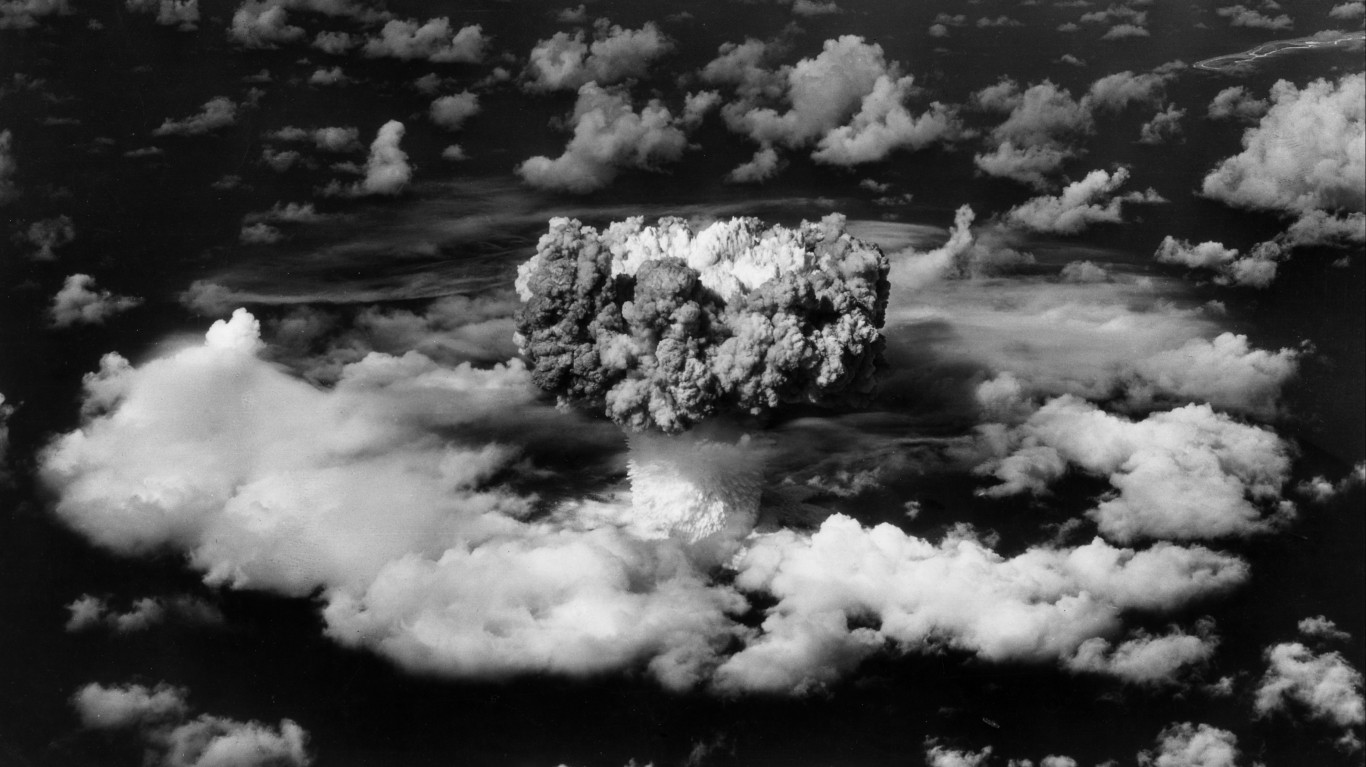
Russian Foreign Minister Sergey Lavrov recently warned other countries that Russia’s nuclear weapons are ready to be deployed, should the need arise. As the conflict between Russia and Ukraine tops 940 days, countries across the globe are taking sides. Many people, including NATO allies, have backed Ukraine in the conflict. Russia, beginning to fear what this might mean for its power, has began to threaten the potential of nuclear war. While Lavrov says that nobody wants nuclear warfare, it seems that Putin and his administration are ready and happy to use this threat as a protective measure. (Here are the countries that support Russia in the conflict with Ukraine.)
In the United States, we’ve been fearing the possibility of a nuclear attack since the first atomic bomb was detonated in 1945. Air raid sirens designed during World War II remained operable during the Cold War. In the 1950s, the public was made aware of the threat of nuclear attack through frequent public service announcements. A PSA issued by New York State (known as “Duck and Cover”) for school children in the 1950s advised students to hide under their desks during a nuclear attack and cover their heads and necks. The PSA also advised people to go inside, stay away from windows, remove outer clothing, and shower with soap or shampoo to remove radiation from their clothes and skin. But do those tips still hold true today? Here, 24/7 Wall St. reviewed recommendations from the Centers for Disease Control and Prevention (CDC) on how people can protect themselves before, during, and after a nuclear attack. Our list is more comprehensive, providing the key steps for Americans to prepare for nuclear war. (This is what the aftermath of a nuclear strike would look like in major U.S. cities.)
Why This Matters
Current international conflicts are again raising the public’s awareness of the threat of a nuclear attack on an American city. People in the 1950s were much more aware of what to do in the event of a nuclear threat than most people today. It pays to be aware of the steps you would need to take if a nuclear alert went out across the country. These tips can ensure that you and your loved ones stay as safe as possible.
Here are 15 tips to help Americans prepare for a nuclear attack:
1. Gather Supplies
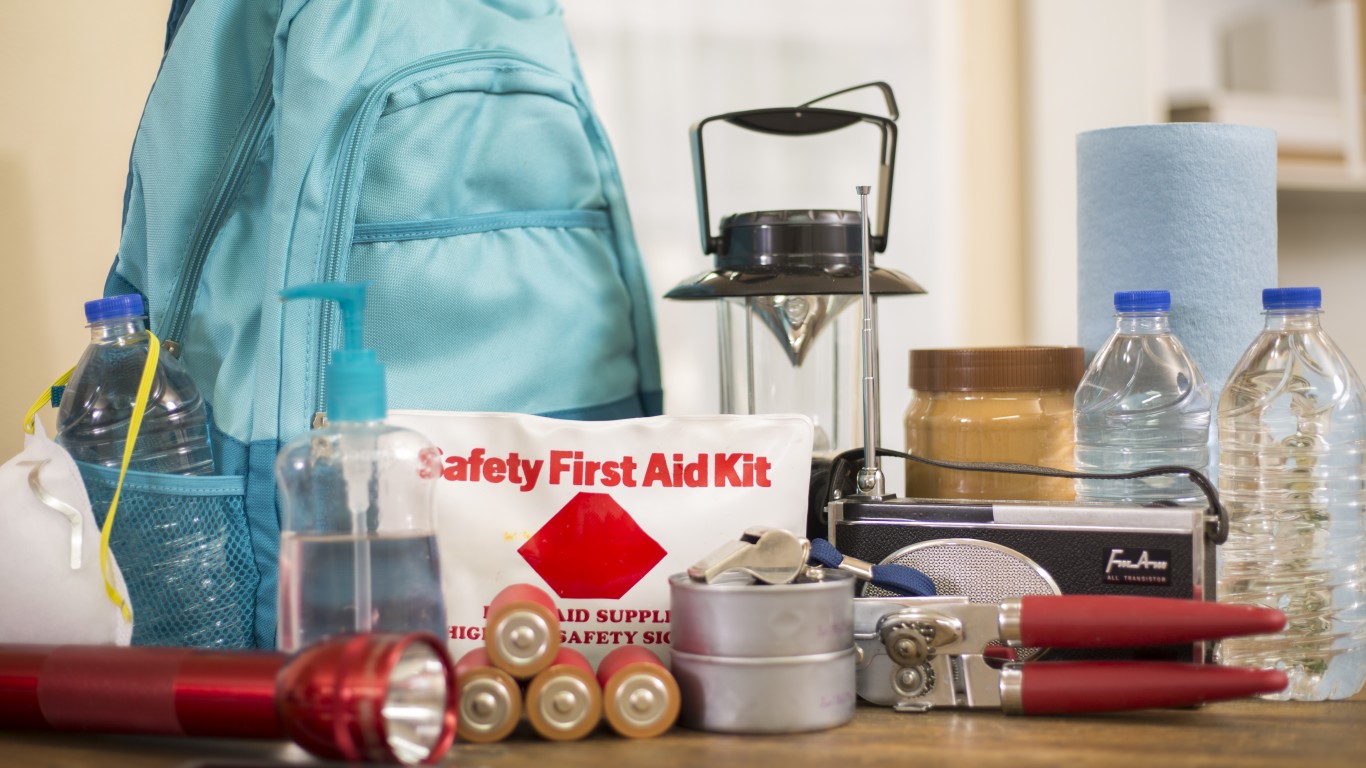
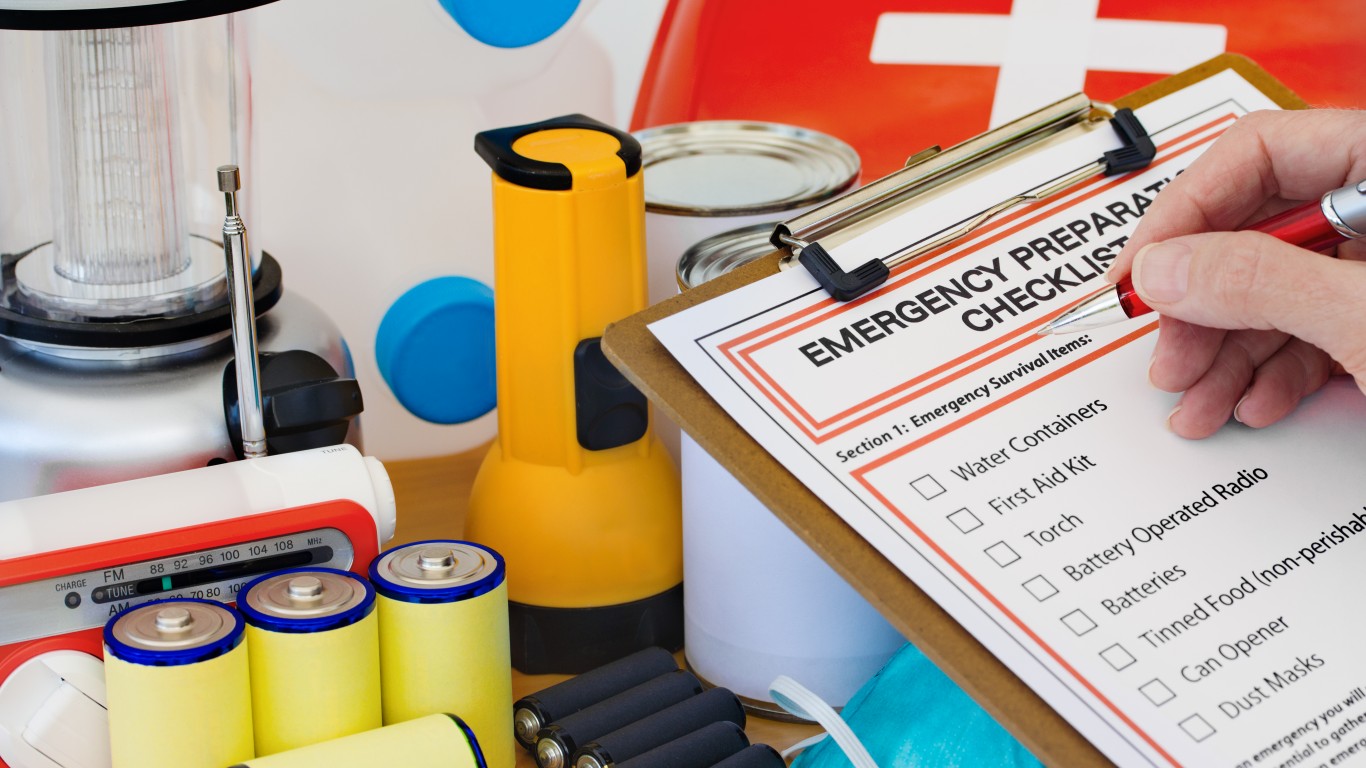
One of the best tips we can give you: prepare your emergency supply kit ahead of time. This kit can ensure that you’re still able to function, and that you can address any health or safety challenges. Your kit should include necessities such as:
- Flashlight
- Extra batteries
- Battery-operated radio
- Food and water
- Can opener
- Medication
- Cash and credit cards
- Sturdy shoes
2. Have a Clear Plan

- Plan ahead with family and loved ones on a meeting spot or way to contact each other if communications are disabled.
3. Protect Your Head and Eyes
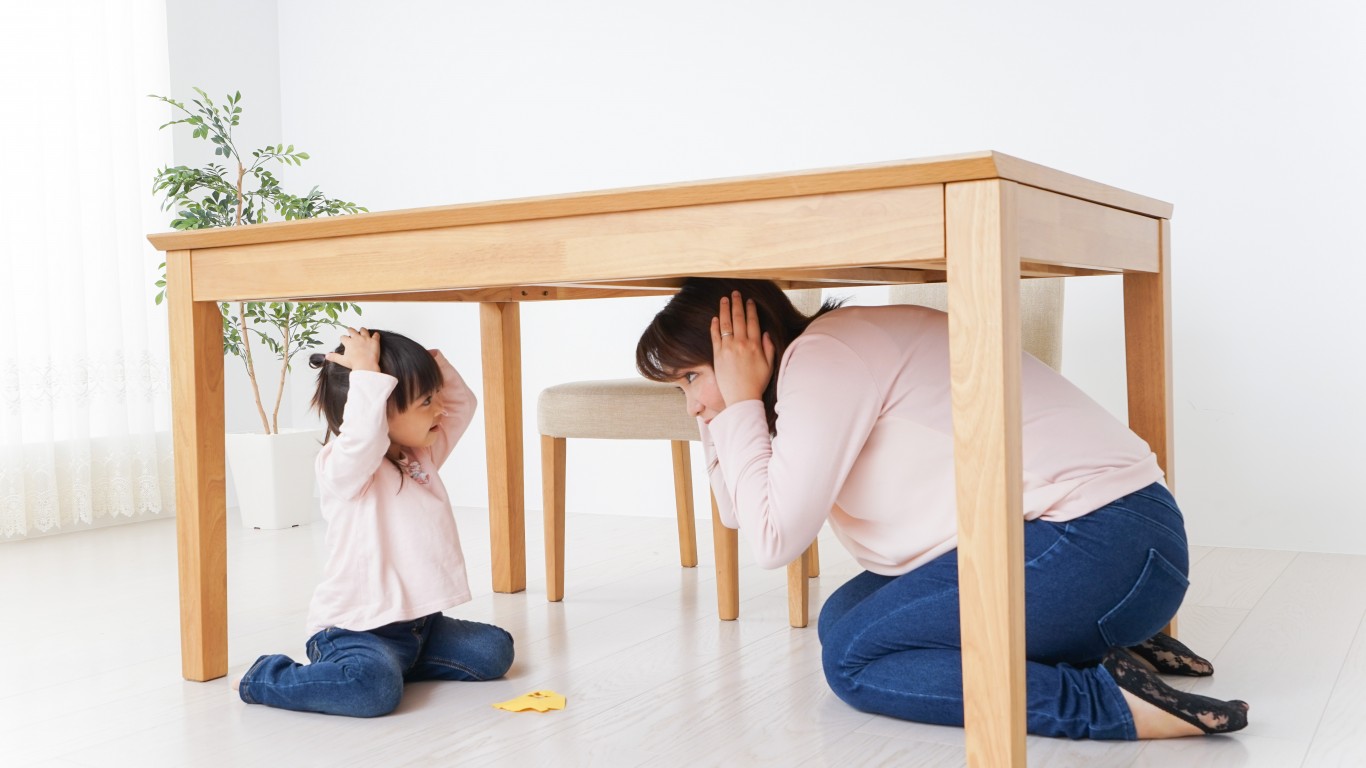
To prevent damaging your eyesight, or experiencing any head-related damage:
- Turn away from the site of the blast.
- Close your eyes.
- Cover your head.
4. Drop to the Ground
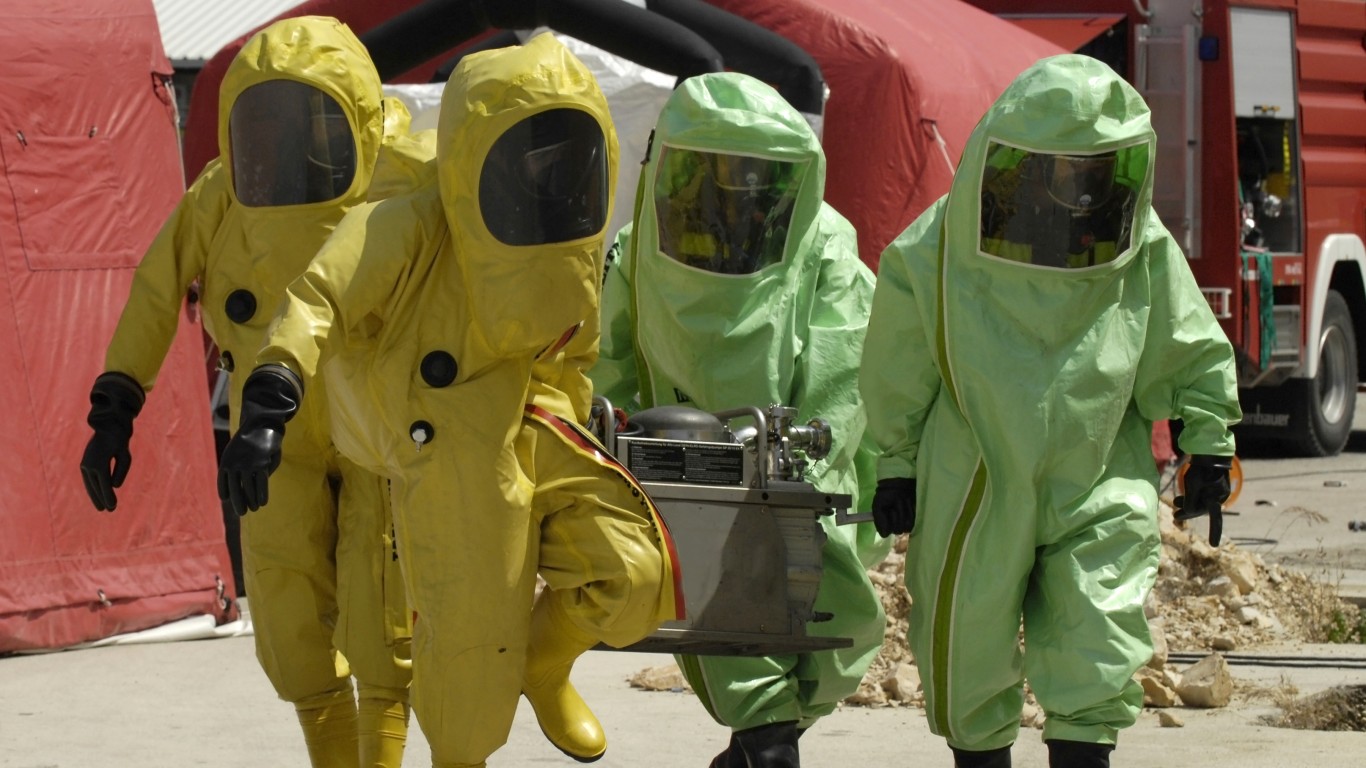
- Lie face down and place your hands under your body.
- Don’t get up right away but remain flat until the heat and shock waves pass.
5. Avoid Inhalation

Like we mentioned, you want to shield your eyes and head at the time of blast. But you also need to protect yourself from inhaling dangerous fallout pollution. To do so:
- Lie face down on the ground.
- Cover your mouth and nose with a handkerchief, scarf, or other cloth.
6. Remove Dust From Clothing
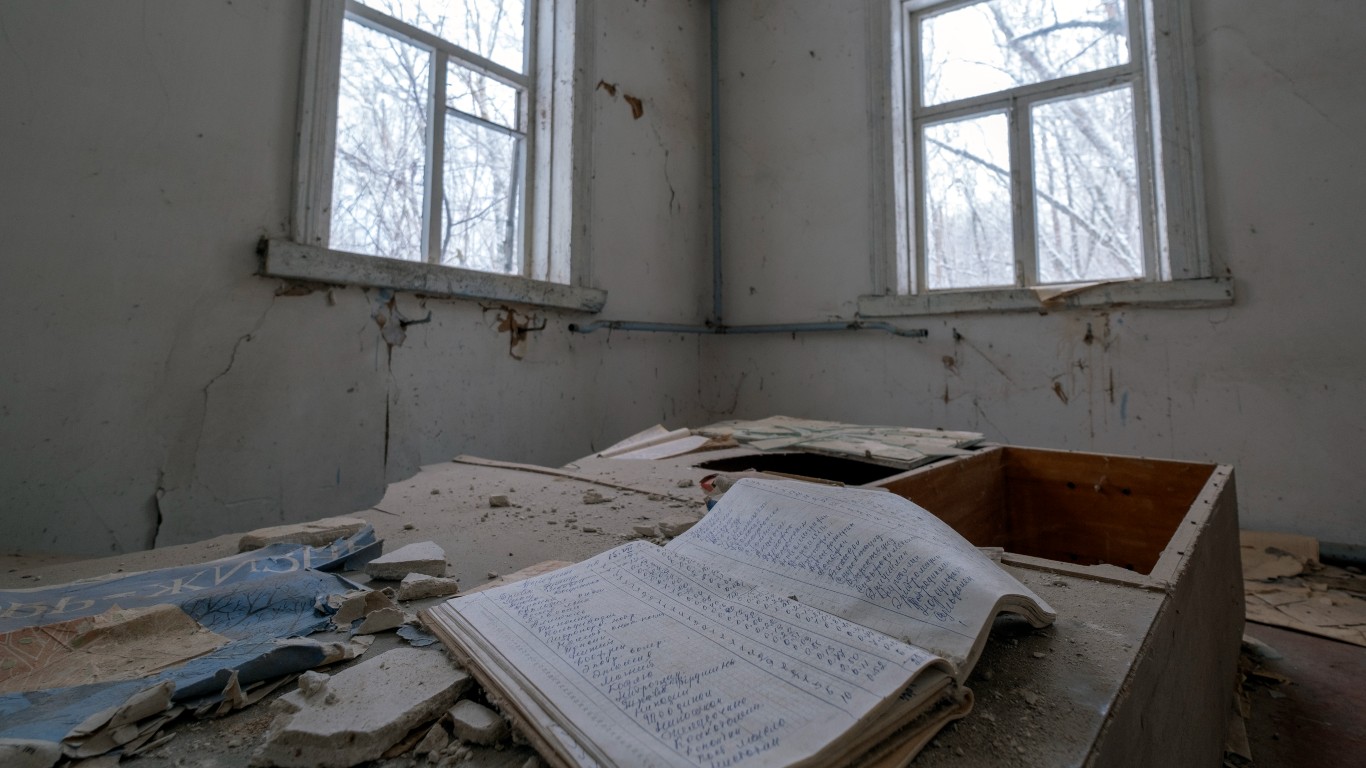
- Keep your mouth and nose covered while you brush, shake, or wipe any dust particles off your skin.
- Be sure you are in an area with good airflow to avoid any inhalation.
7. Remove Your Clothes

Even after shaking the dust off of your clothing, it will probably be contaminated with radiation poison. For further protection:
- Remove your clothing and dispose of it.
- Shower and change into fresh clothing.
8. Move Somewhere Safe
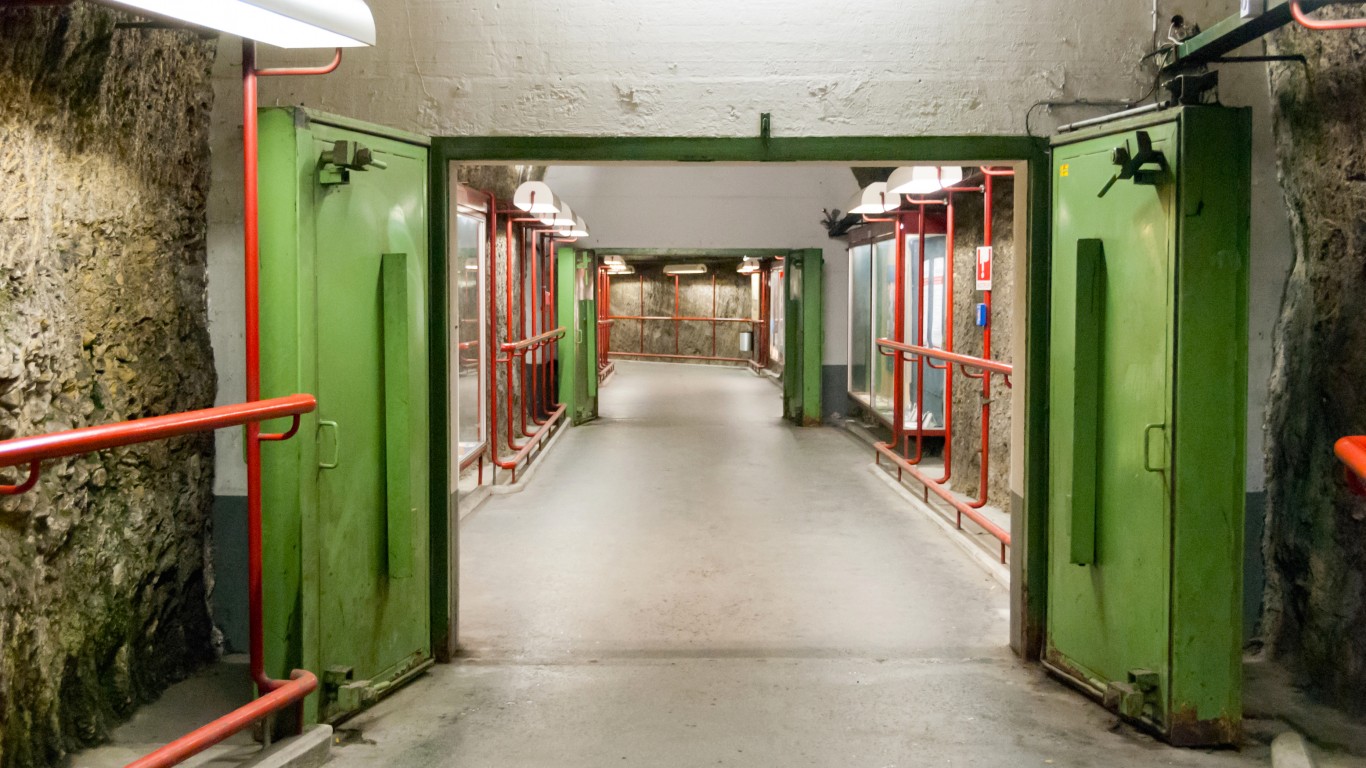
You’re going to want to find somewhere safe to hide, where contamination is minimal. To find the best nuclear shelter after a nuclear attack:
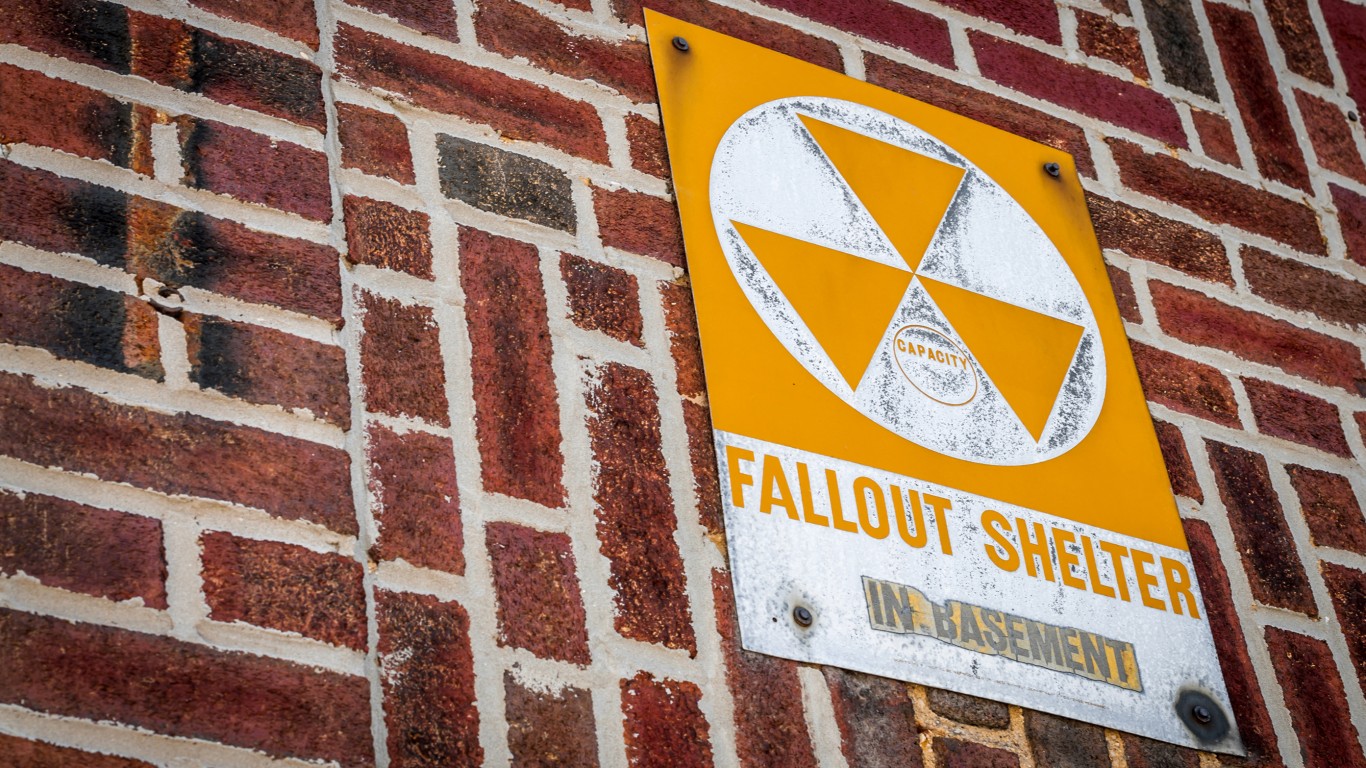
- Find a fallout shelter or a basement.
- Face away from the direction the wind is blowing.
9. Seal Off the Outside
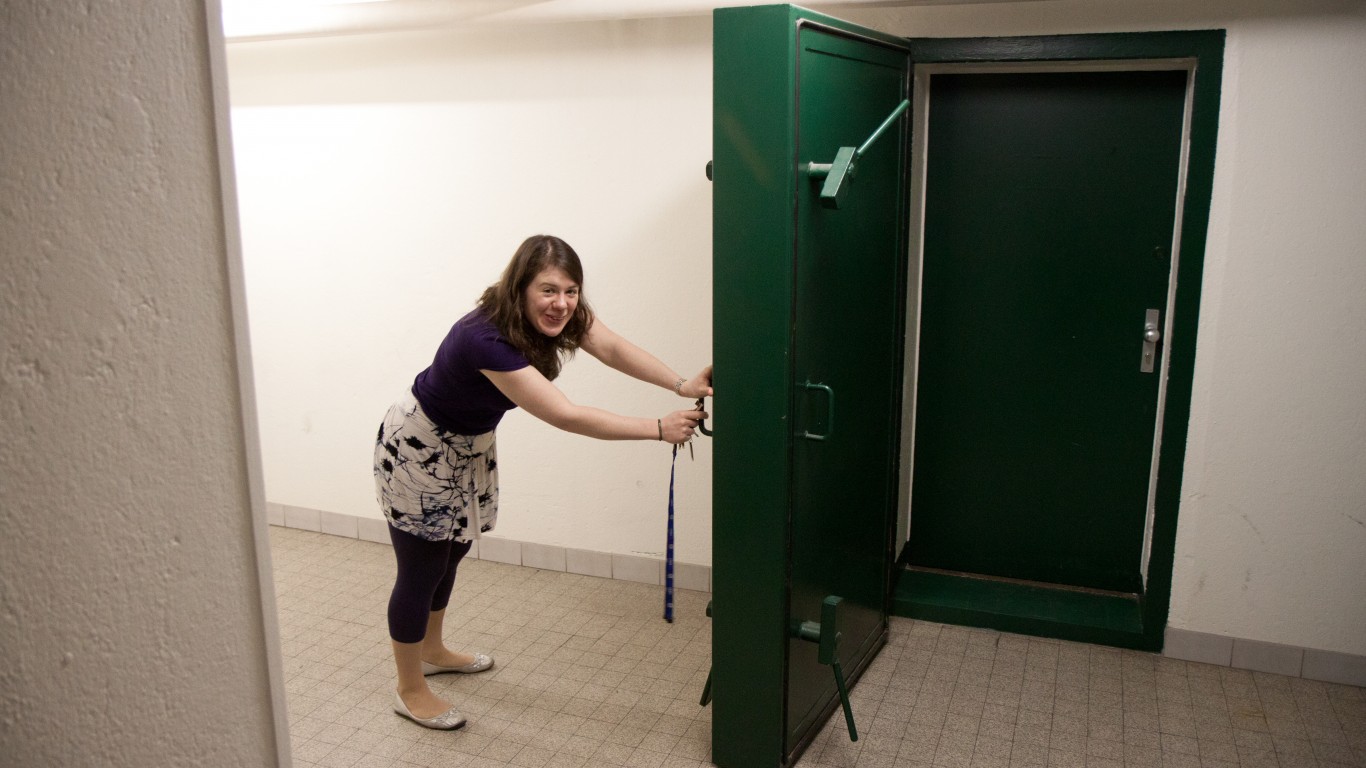
- Once in your shelter, seal the doors and windows and turn off ventilation systems.
- Once the fallout cloud has passed, you can unseal the doors and windows to permit air circulation.
10. Stay Inside
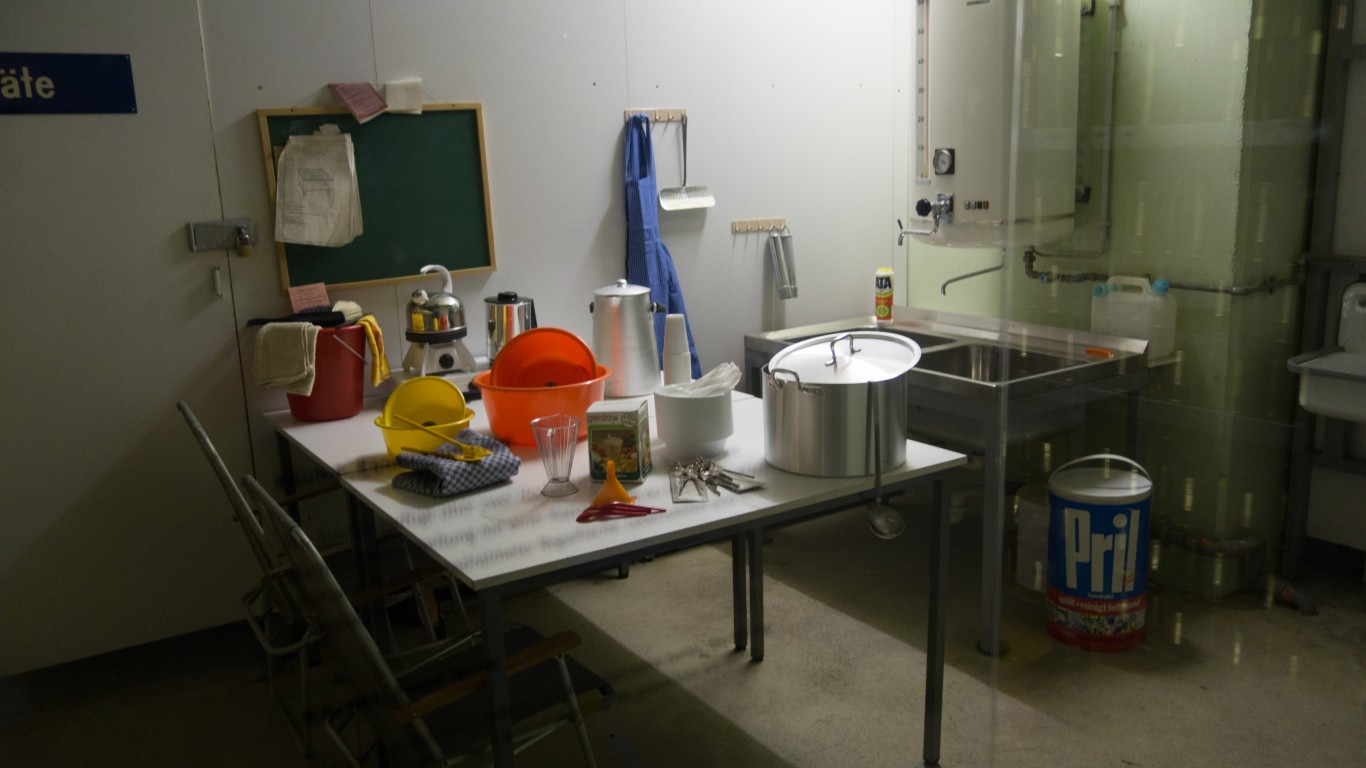
- Don’t go outside until reliable sources on local radio, TV, or the internet say it’s safe to emerge. This is why your battery-powered radio will be so important.
- When you leave your shelter, keep your mouth and nose covered with a damp towel.
11. Use Stored Food and Drinking Water
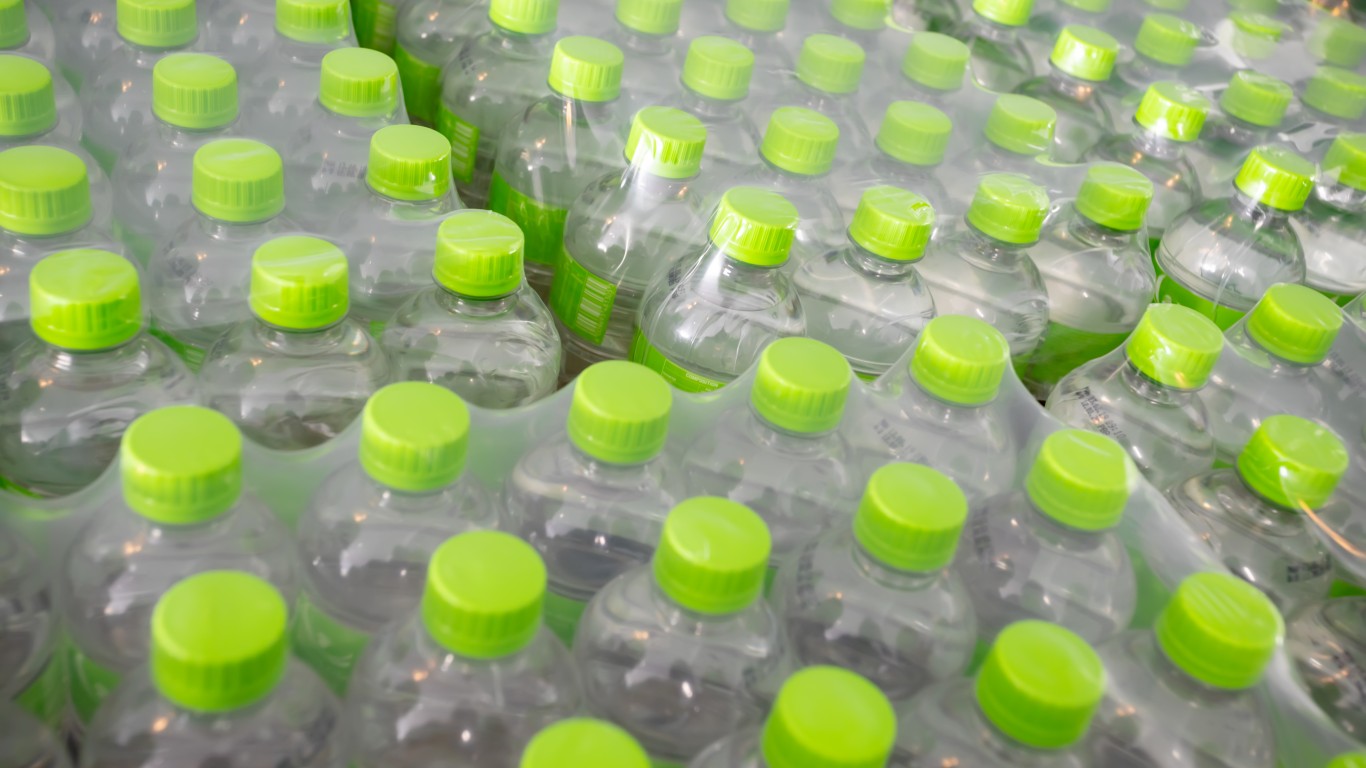
- Avoid local food or open water, which will likely be contaminated.
- Use the supplies you’ve stockpiled. And if you haven’t started stockpiling supplies at the time you’re reading this article, maybe it’s time to start!
12. Prevent Infection
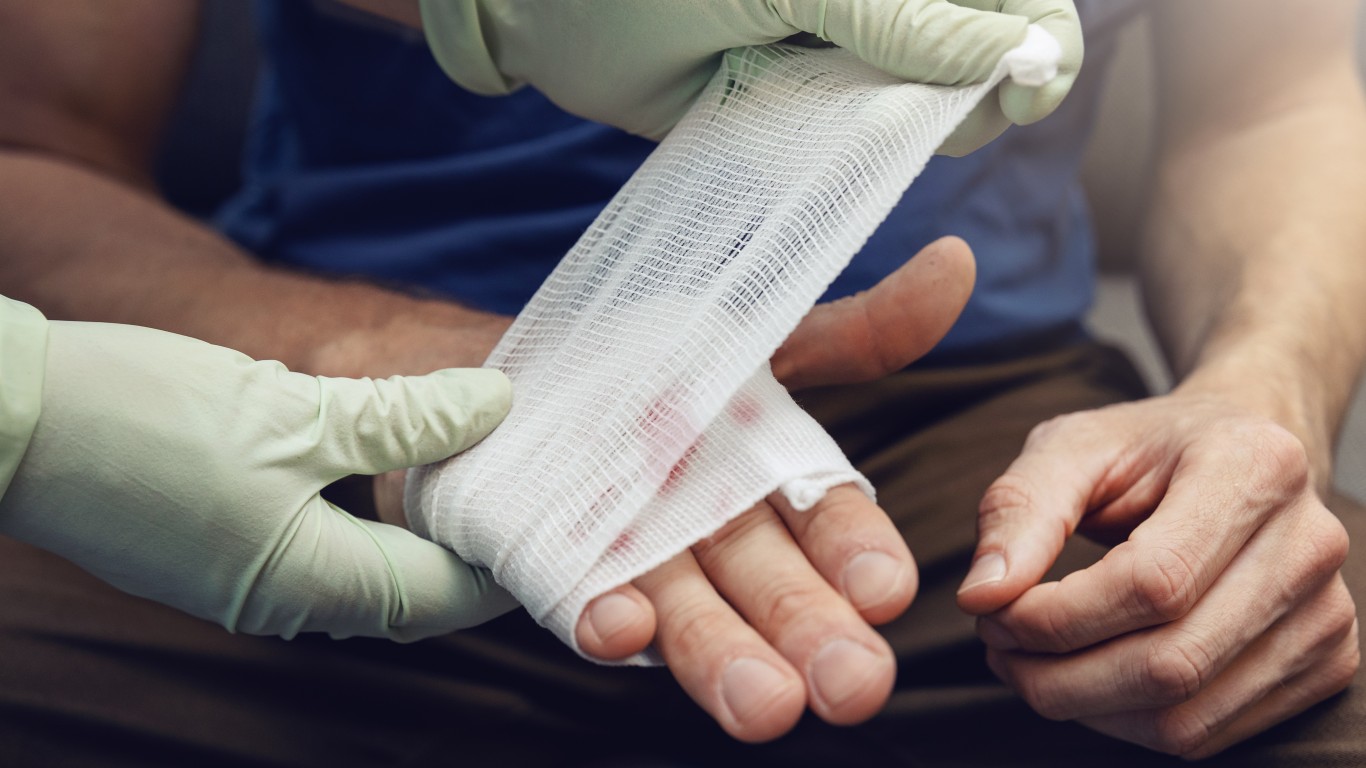
- Clean and cover any open wounds on your body.
- This will prevent infection and remove nuclear fallout from affected areas.
13. Listen to the Radio or Television
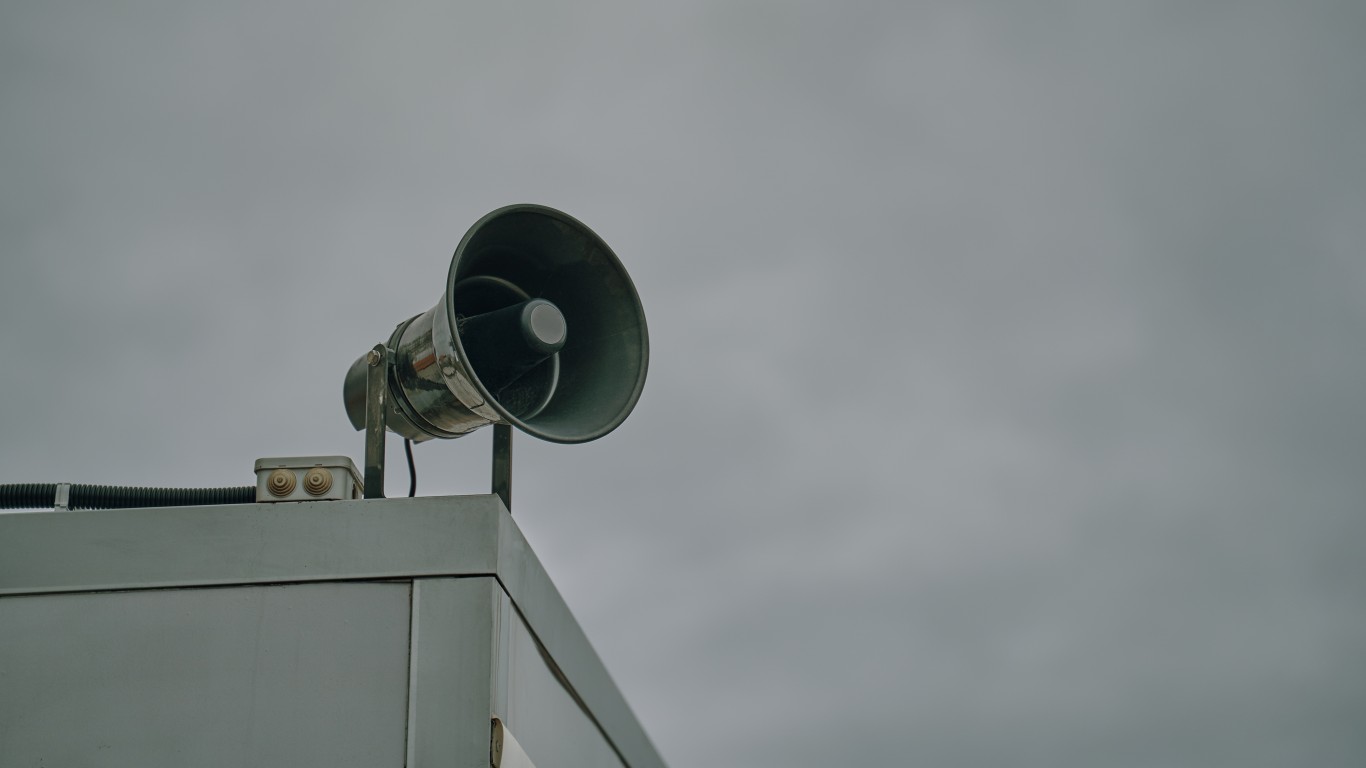
- Listen for information on evacuation routes, temporary shelters, and recommended procedures on local radio or television stations or check dependable online sources.
14. Take Your Emergency Supplies
- When it’s time to leave your shelter, take clean food and water with you.
- Also bring other necessities such as a first aid kit, flashlight, and battery-operated radio.
15. Reseal the Shelter
- As you leave your shelter, close and lock windows and doors.
- Turn off air conditioning, vents, fans, and furnaces.
16. Remember Your Neighbors

- If you are able, see if you can help others, especially the elderly, those with disabilities, and infants or young children.










 Top Gaining Stocks
 Top Losing Stocks