


The state of the world today can leave many people feeling less than optimistic. There are currently two ongoing conflicts that may lead to fears of another war and with that, the concern of a nuclear attack. Russia invaded Ukraine in February 2022 and this war has been in progress for almost two years. During the launch of the Ukraine counter-offensive, analysts around the world feared that Russia’s response could include atomic weaponry. It would be the first time a nuclear bomb has been used in a belligerent manner since the Nagasaki bomb in Japan.
While nuclear war in Eastern Europe wouldn’t directly affect the United States, the breaking of the atomic seal could lead many to fear the possibility of a nuclear strike on an American City. To add to this uncertainty is the current crisis between Israel and Hamas, which some experts speculate could lead to another world war. (This is what a nuclear attack would do to America’s 25 largest cities.)
Whether we are prepared for another nuclear attack is another question. During WWII, air raid sirens were added to buildings to warn of potential threats. These were used extensively throughout the Cold War as well. The public service announcement issued by New York State was a reminder of the civil defense video “Duck and Cover” that was distributed to schools in the 1950s. It advised students to duck under their desks during a nuclear attack and cover their heads and necks. This PSA called for people to get inside a building and move away from windows; stay inside and remove outer clothes and shower with soap or shampoo; and stay tuned for government information.
There are currently different types of sirens to alert us to certain dangers. To determine what Americans should do to prepare for nuclear war, 24/7 Wall St. reviewed a list of recommendations from the Centers For Disease Control and Prevention on how people can protect themselves and their families before, during, and after a nuclear blast. The 24/7 Wall St. list is more comprehensive, taking you through key steps before, during, and after a nuclear attack. (Here is an example of different types of alert sounds used).
Here is how Americans should prepare for a nuclear attack.
1. Gather supplies
1. Gather supplies
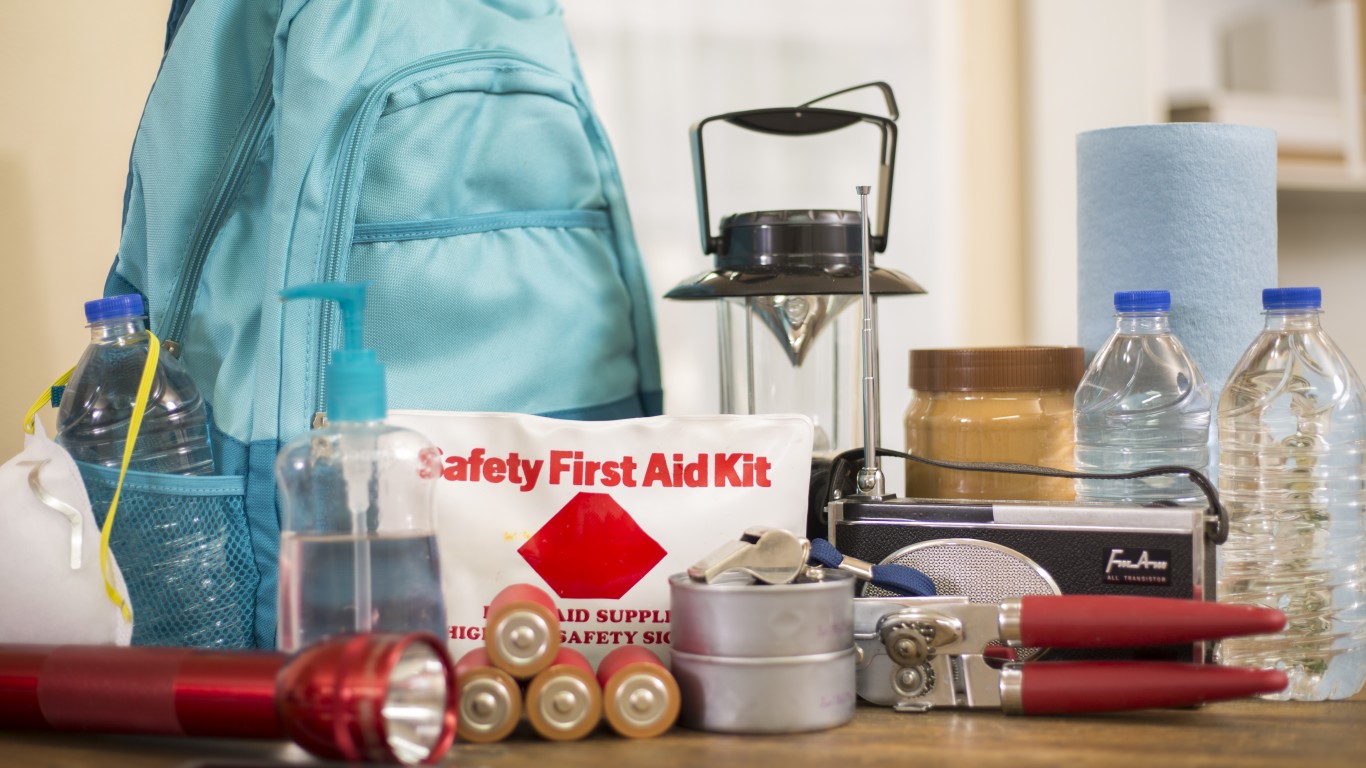
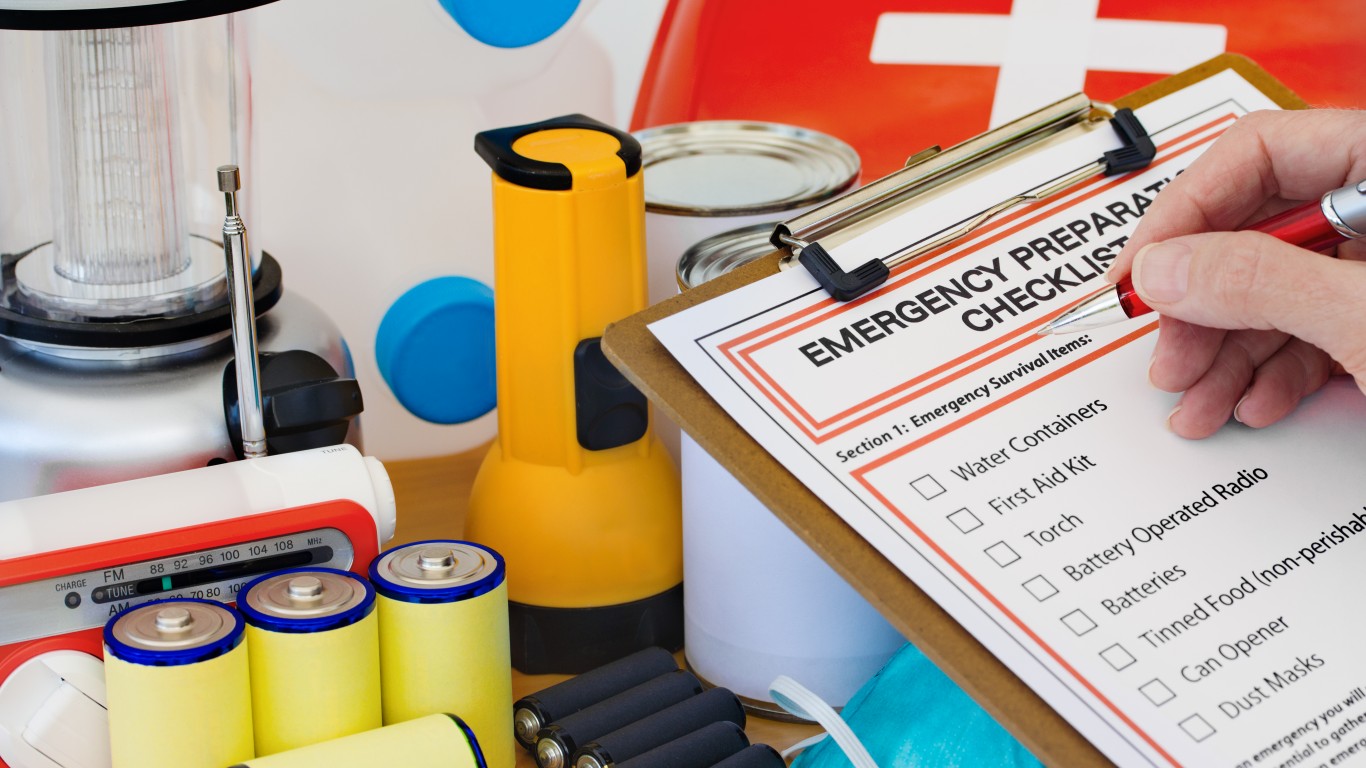
It is important to have emergency supplies prepared ahead of time in the event of nuclear and other disasters. These necessities include a flashlight and extra batteries, a battery-operated radio, a first aid kit, food and water, a can opener, medicines, cash and credit cards, and sturdy shoes.
[in-text-ad]
2. Have a plan
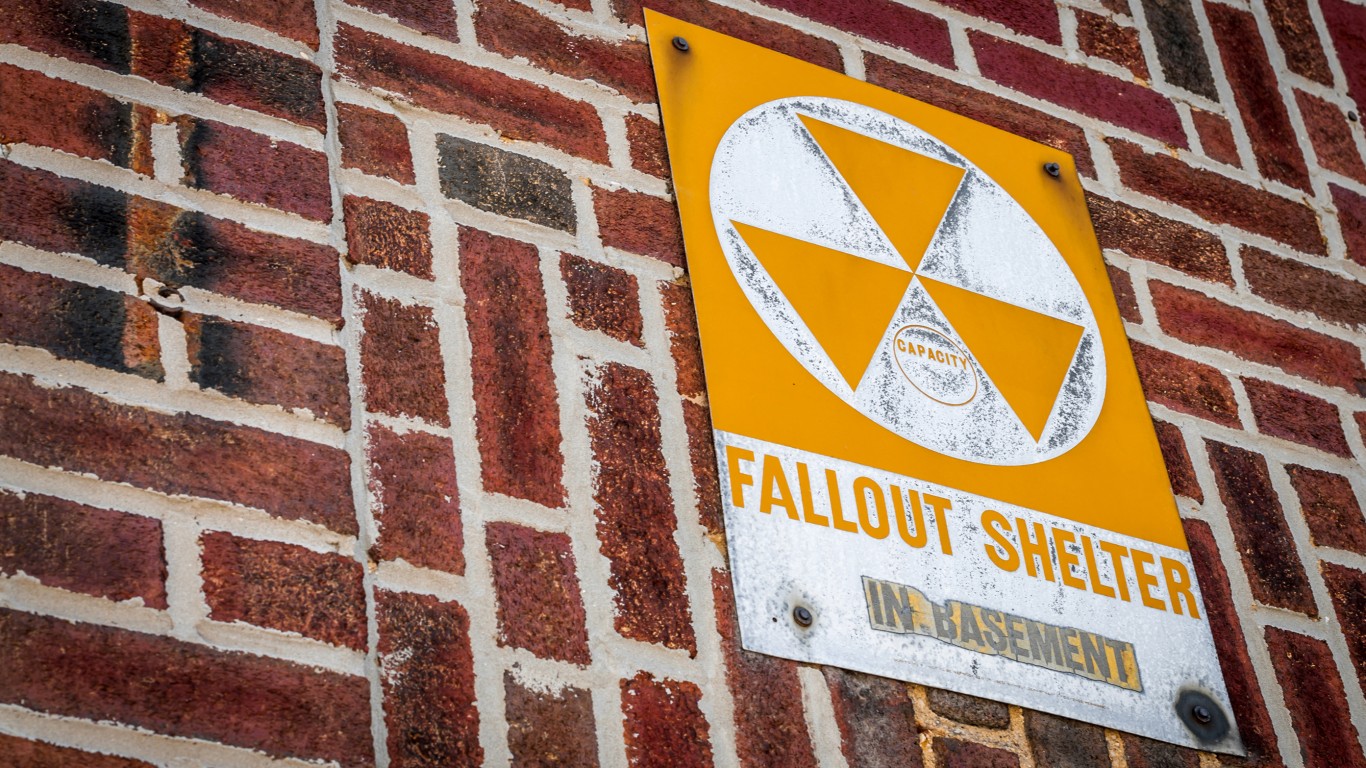
Communications may be limited, if there are any at all, in the event of a nuclear blast, so make sure you have a plan to be able to contact friends and loved ones.
[recirclink id=1104980]
3. Turn away and close and cover your eyes
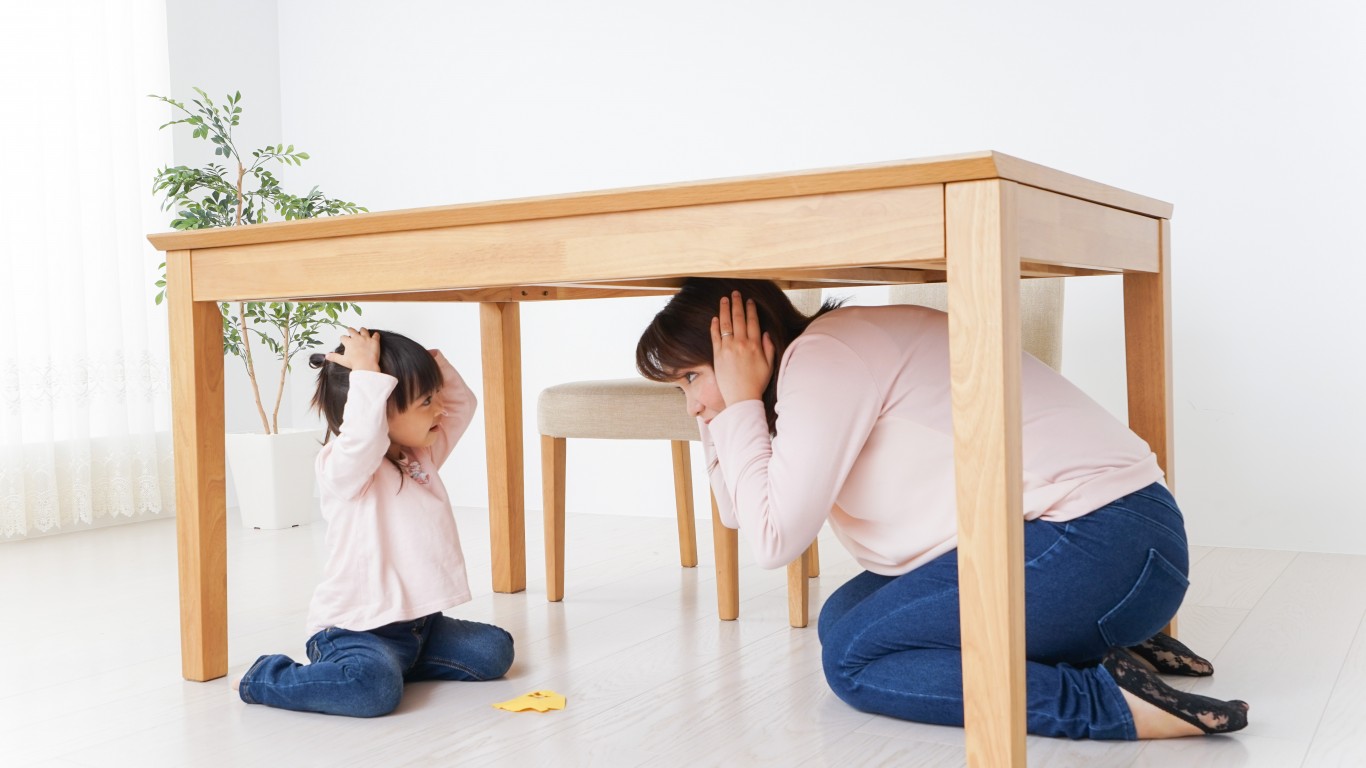
When a nuclear explosion occurs, turn away from the blast and cover your head. This could help prevent the blast from damaging your sight.
4. Drop to the ground
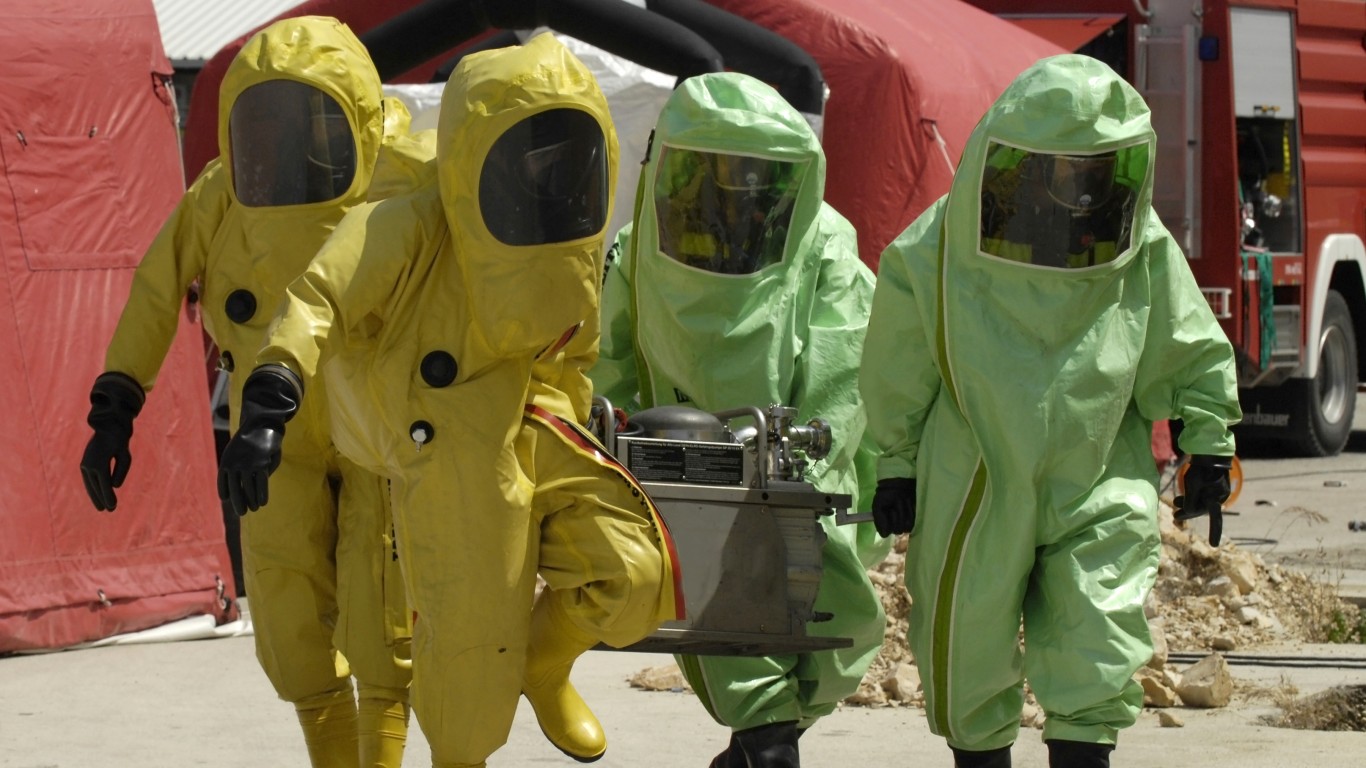
Lie face down and place your hands under your body. You should also remain flat until the heat and shock waves pass.
[in-text-ad-2]
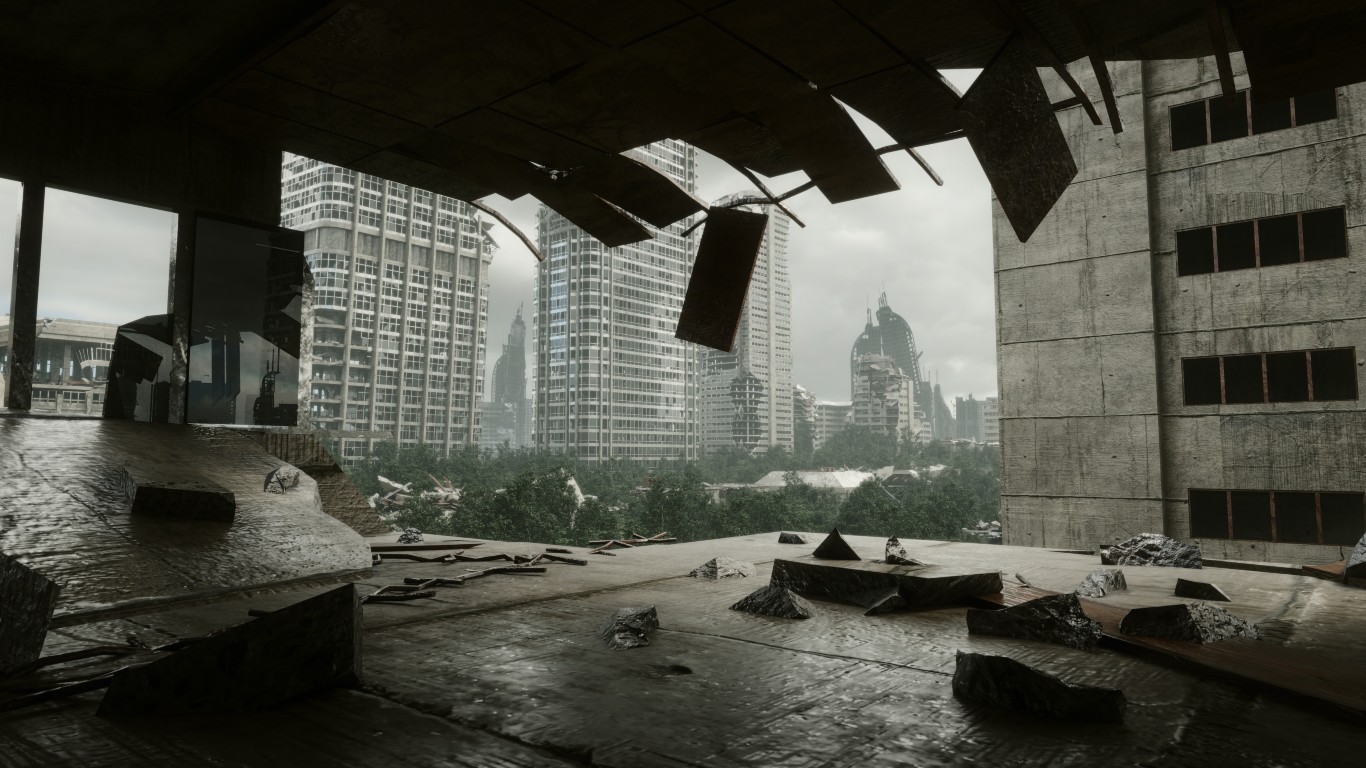
5. Cover your mouth and nose
Lie face down and cover your mouth and nose with a handkerchief, scarf, or other cloth. This helps stop you from inhaling potentially dangerous fallout.
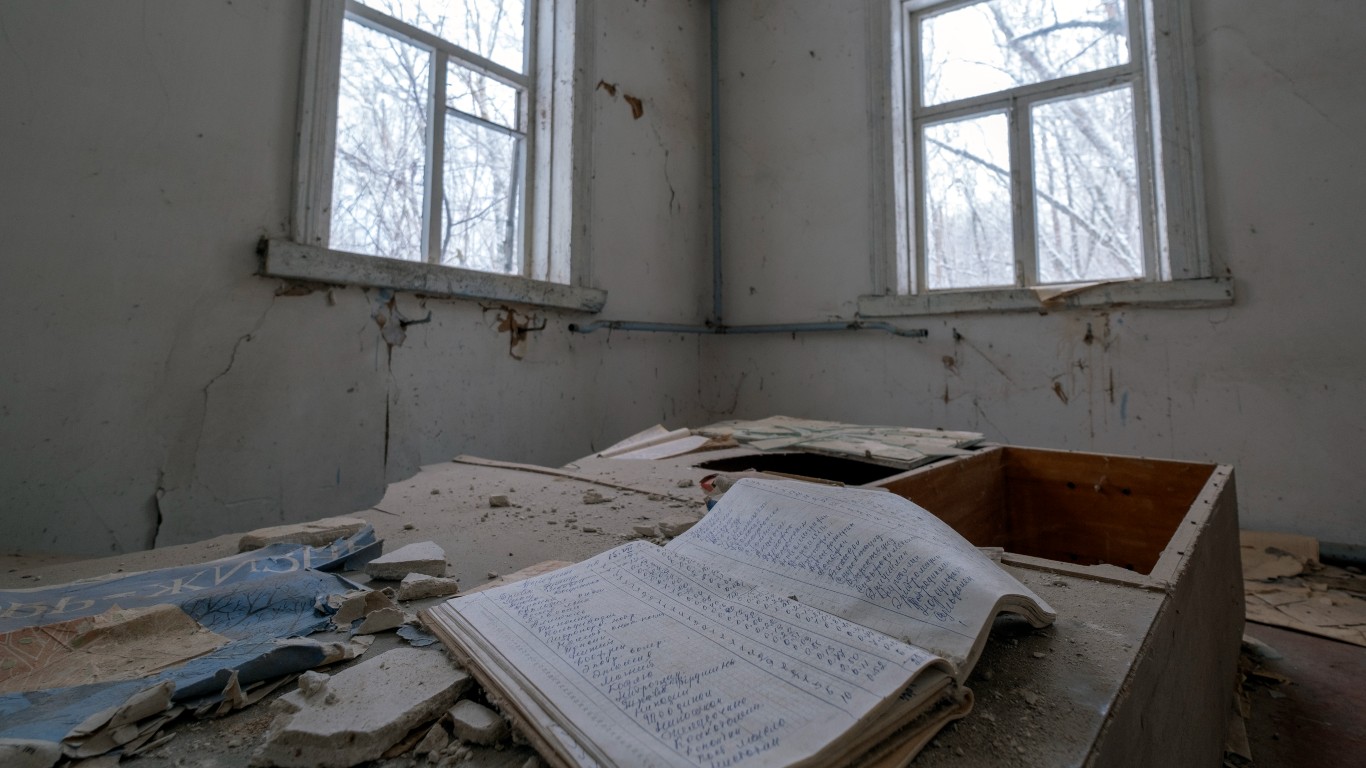
6. Remove any dust from your clothes
With your mouth and nose still covered, brush, shake, or wipe any dust particles off your skin. Do this in an area with good air flow.
[in-text-ad]

7. Remove clothing
Your clothing is likely contaminated, so you should remove it. You should also shower and change clothes before you enter the shelter.
[recirclink id=1100405]
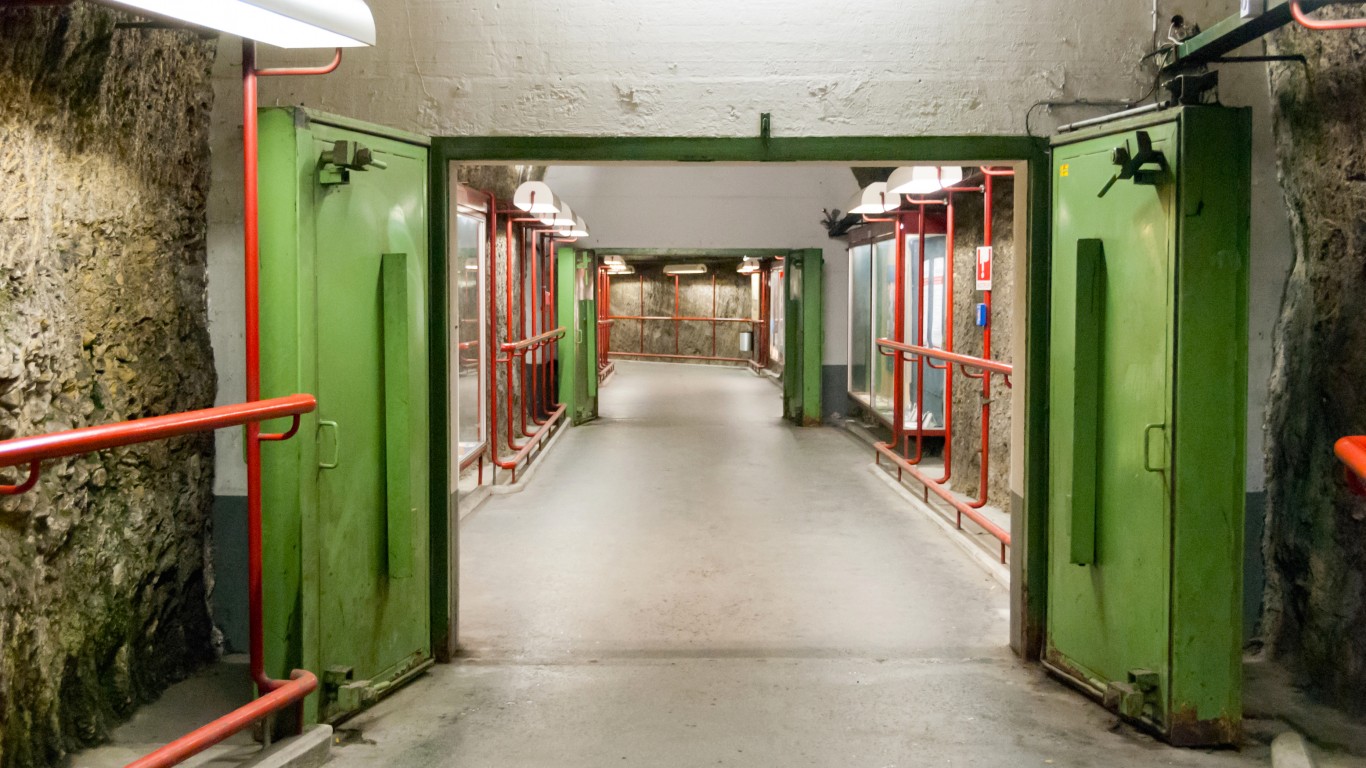
8. Move someplace safe
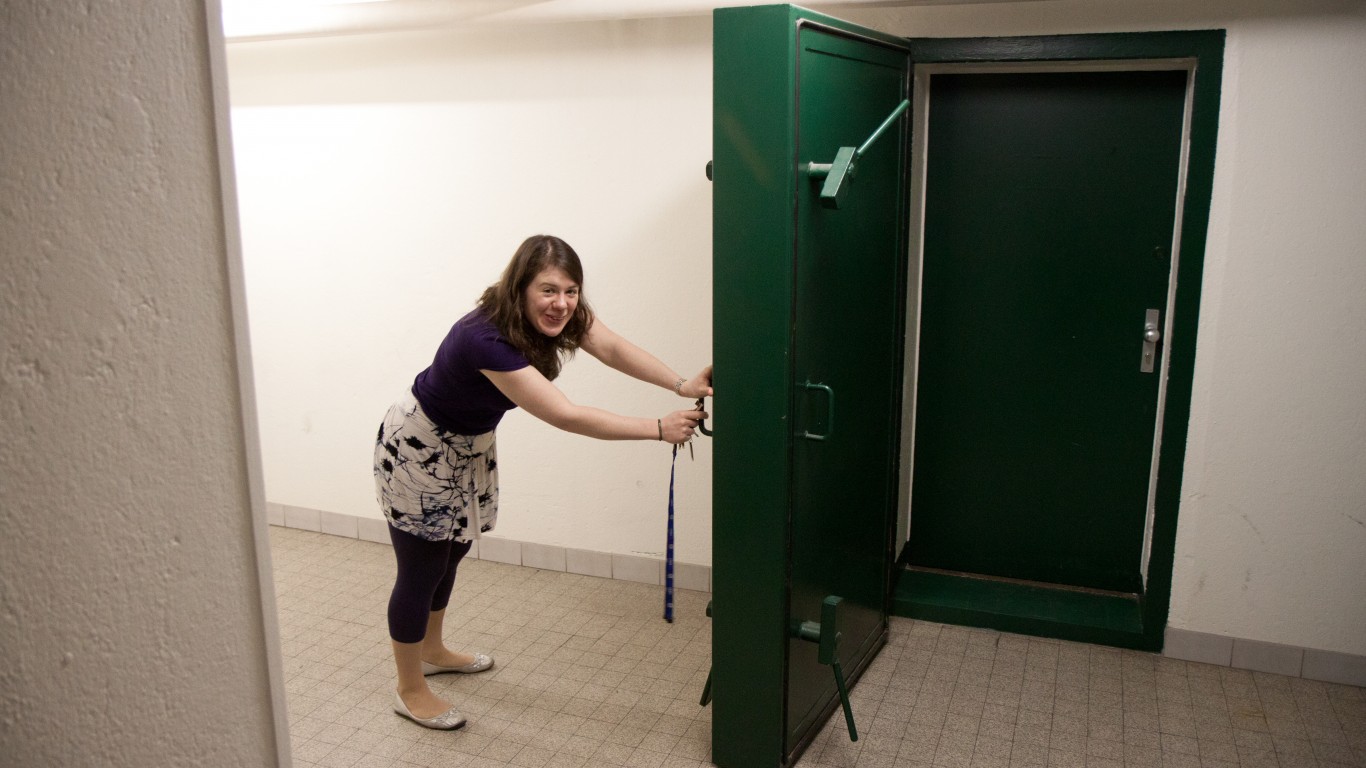
If possible, find a fallout shelter or basement and face away from the direction that the wind is blowing.
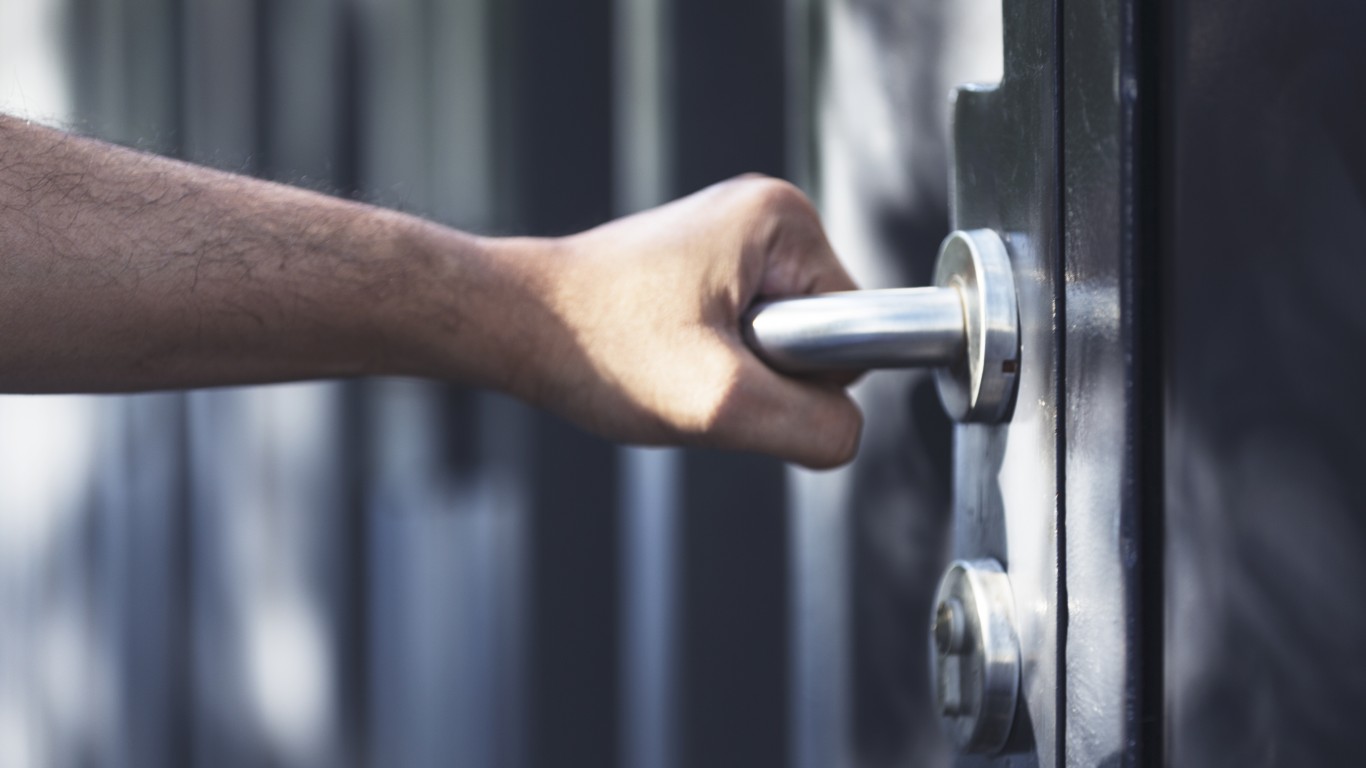
9. Seal off the outside
When you’ve found shelter, seal the doors and windows and turn off ventilation systems until the fallout cloud has passed – then unseal the doors and windows to permit some air to circulate.
[in-text-ad-2]
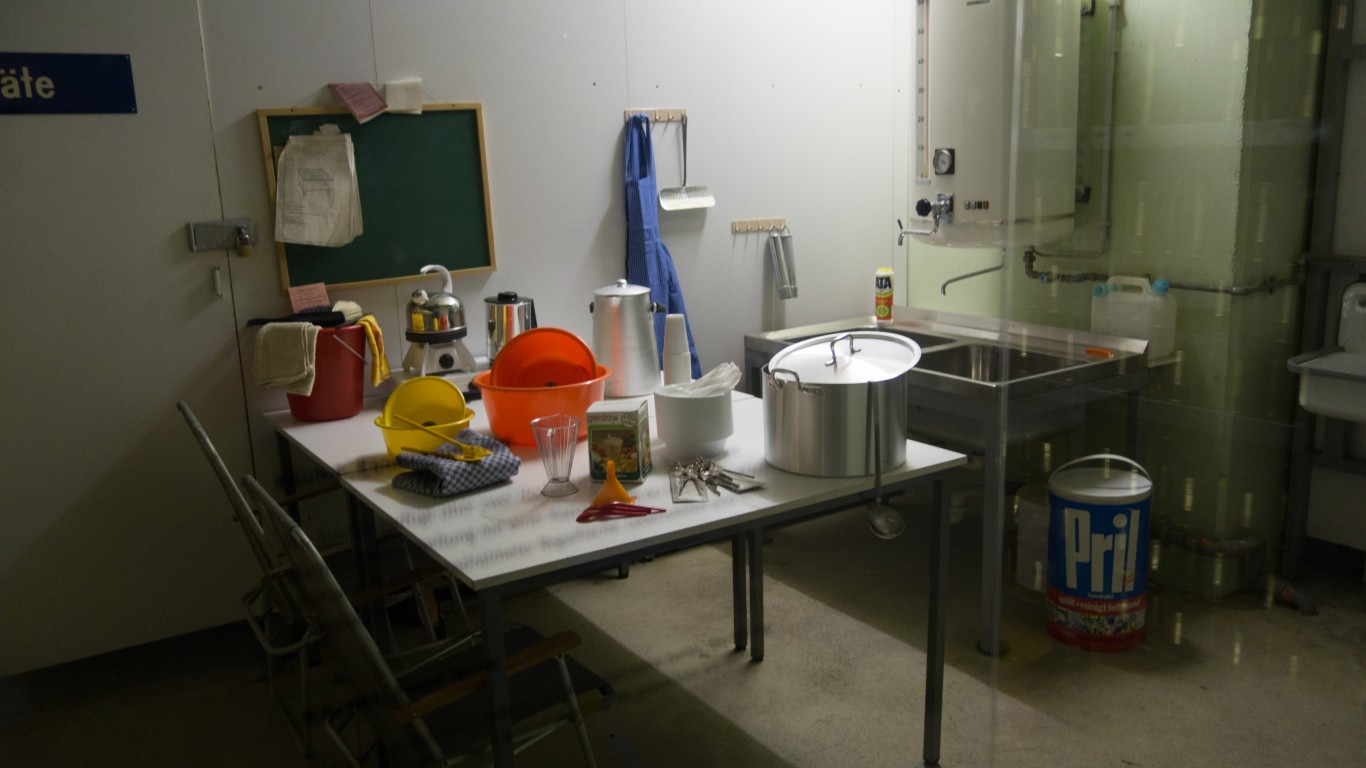
10. Stay inside
Stay inside until reliable sources on local radio, TV, or the internet say that it’s safe to emerge. If you have to leave your shelter, cover your mouth and nose with a damp towel.
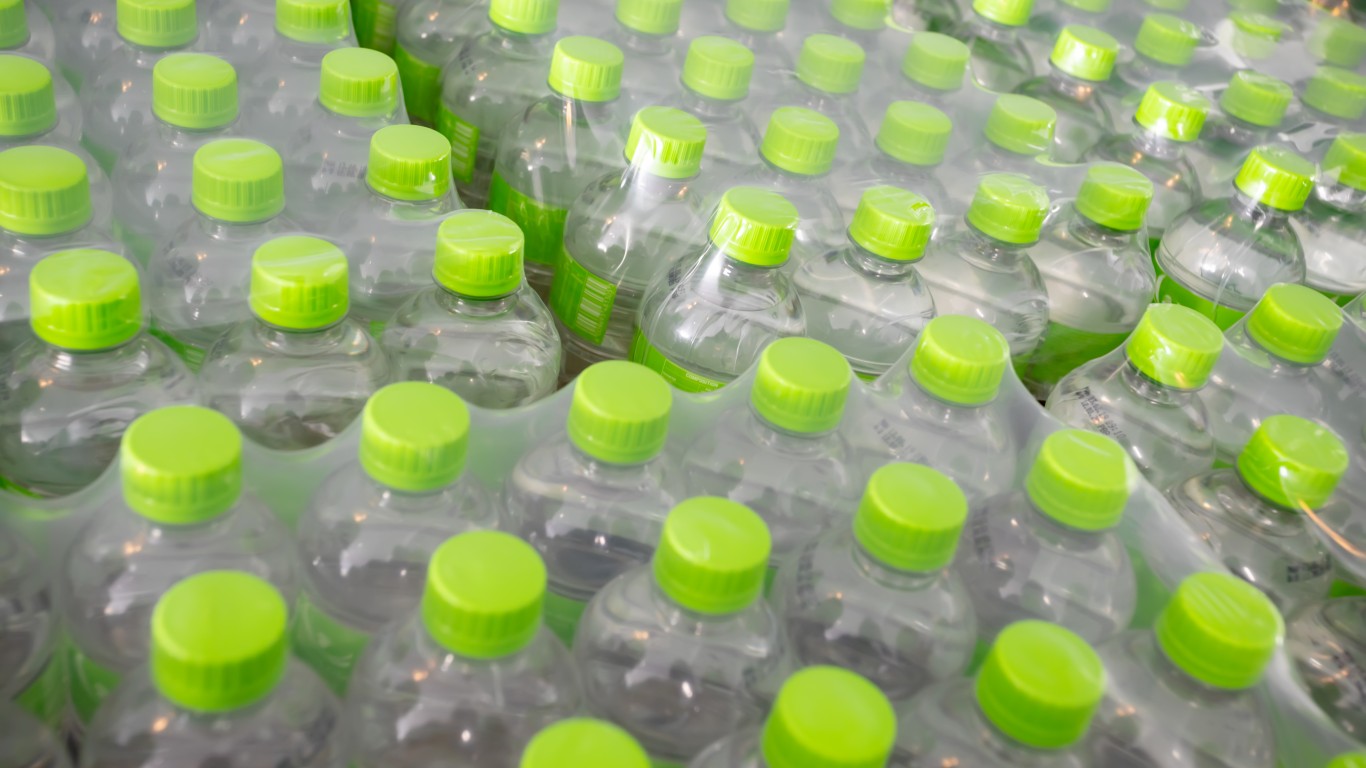
11. Use stored food and drinking water
Avoid local food or open water, which will likely be contaminated, and use the supplies you’ve stockpiled.
[in-text-ad]
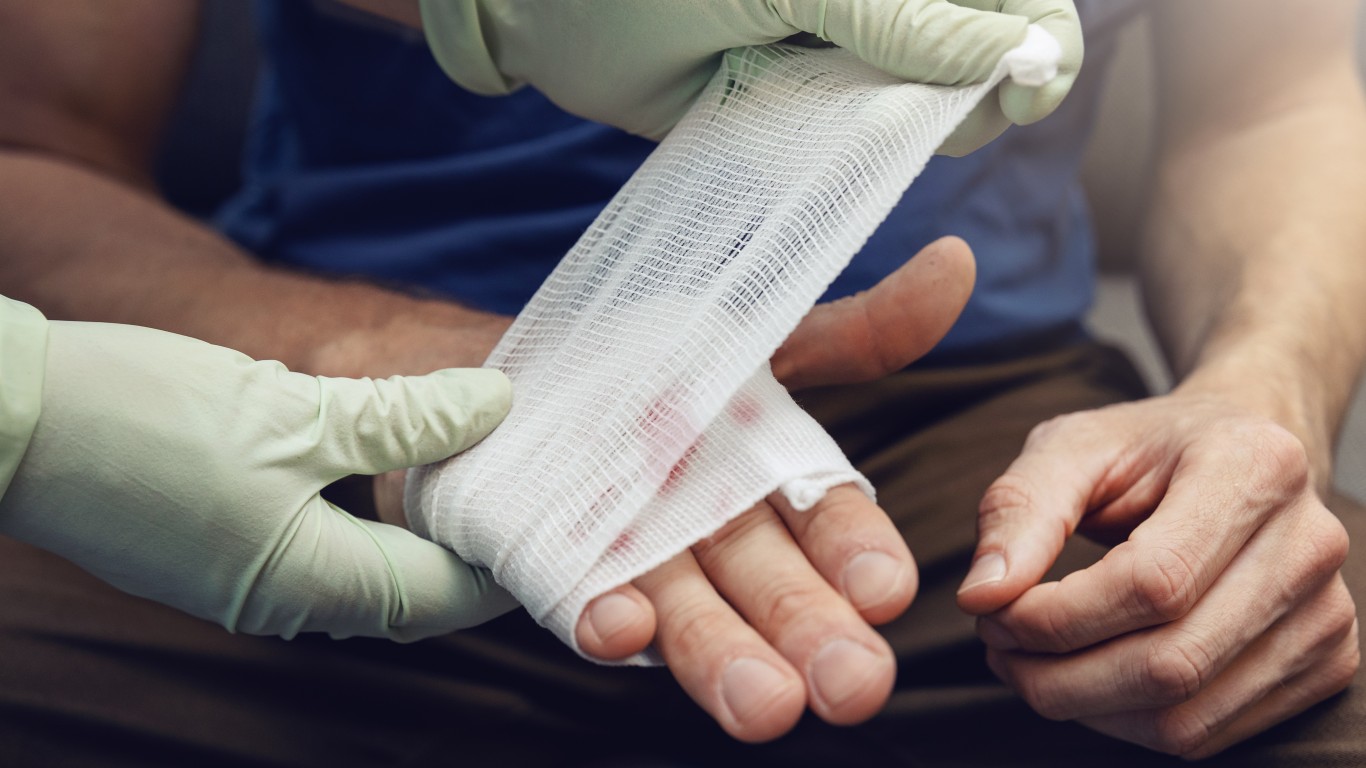
12. Prevent infection
Clean and cover any open wounds on your body to prevent infection and remove nuclear fallout from affected areas.
[recirclink id=1119059]
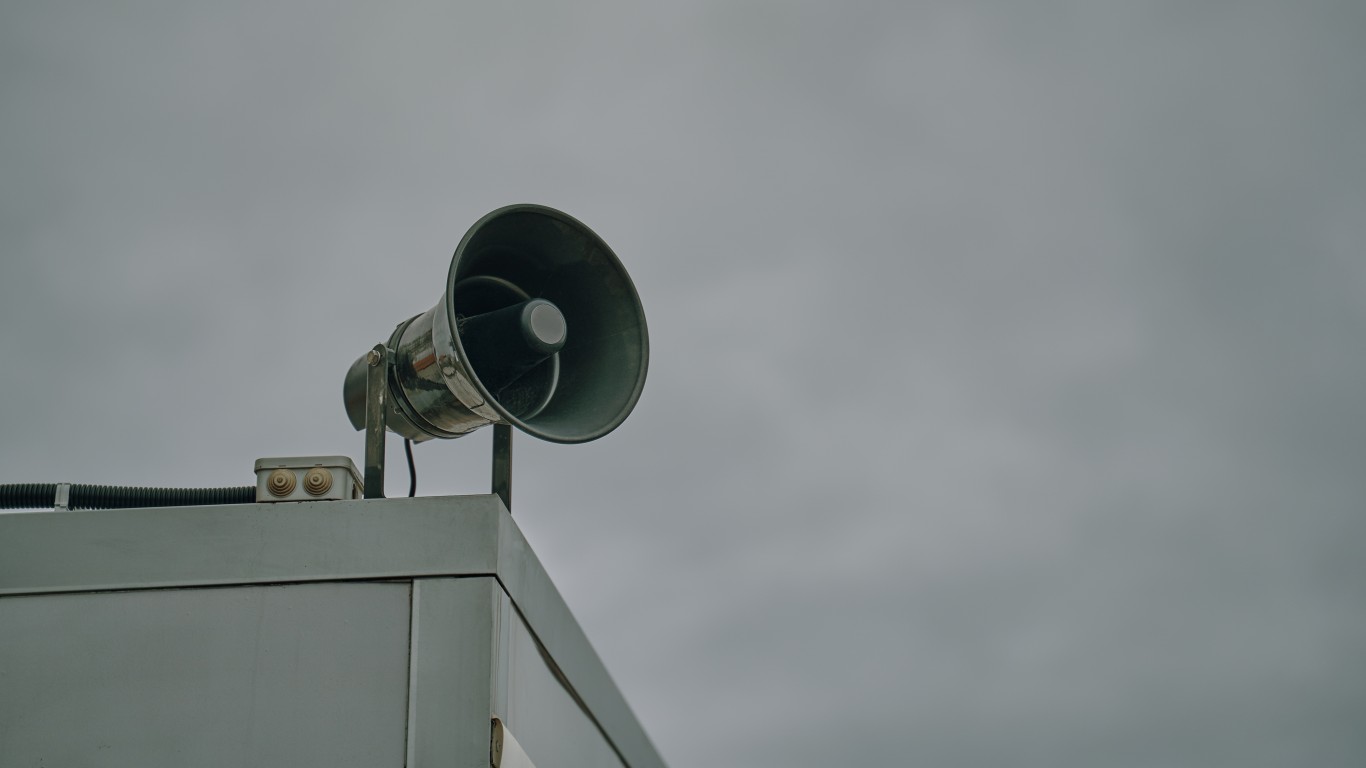
13. Listen to the radio or television
Listen for information on evacuation routes, temporary shelters, and recommended procedures on local radio or television stations or check dependable online sources.
14. Take your emergency supplies
Take clean food and water with you, along with other necessities such as a flashlight, first aid kit, and battery-operated radio, when you leave your shelter.
[in-text-ad-2]
15. On your way out, reseal the shelter
As you leave your shelter, close and lock windows and doors, and turn off air conditioning, vents, fans, and furnaces.

16. Remember your neighbors
If you are able, see if you can help others, especially the elderly, those with disabilities, and infants or young children.








 Top Gaining Stocks
 Top Losing Stocks