Can the Chinese Afford the Apple iPhone?

Photo of Douglas A. McIntyre
By Douglas A. McIntyre Published
This post may contain links from our sponsors and affiliates, and Flywheel Publishing may receive compensation for actions taken through them.

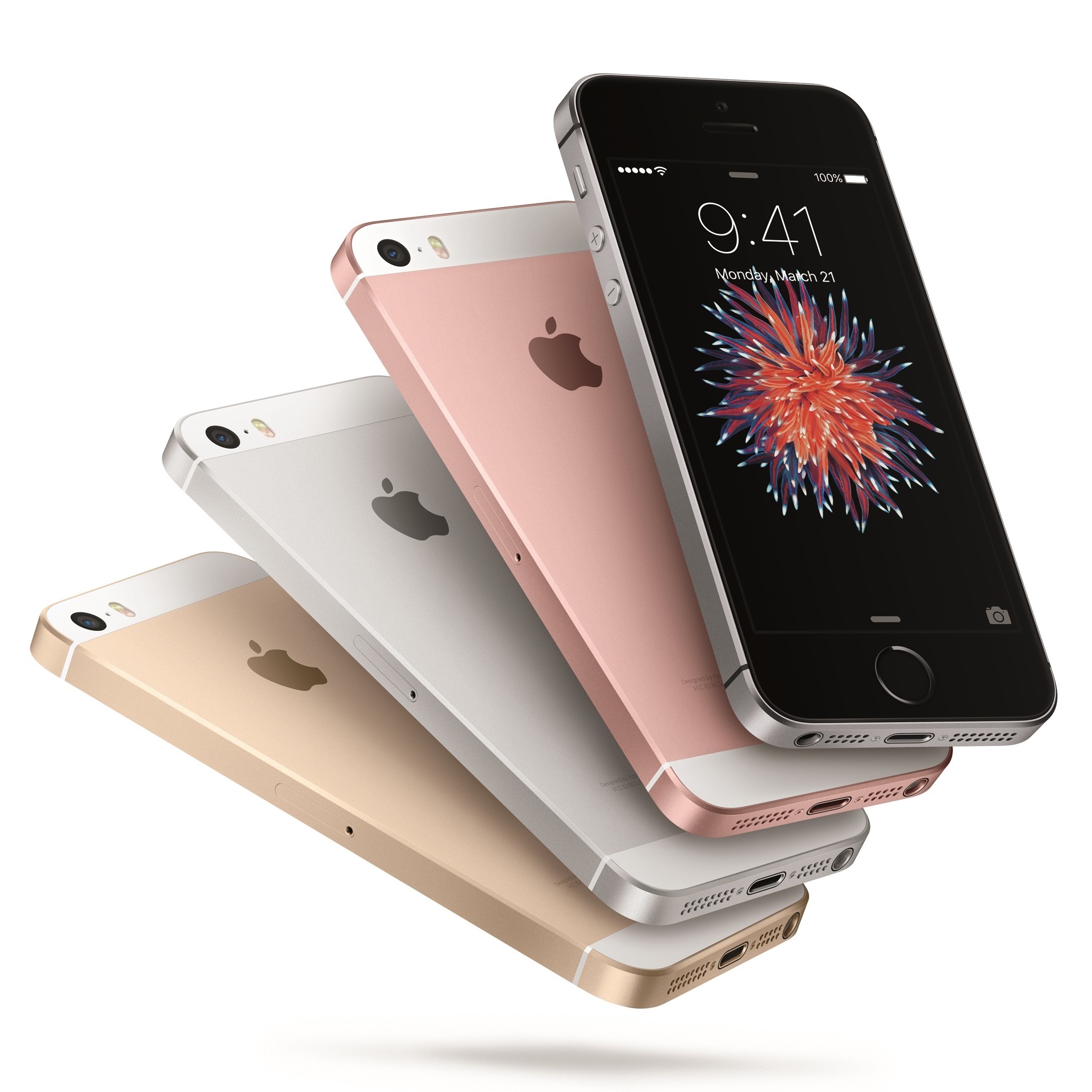
The Wall Street Journal has published a rumor that China Mobile Ltd. (NASDAQ: CHL), by far the largest wireless carrier in the People’s Republic, will begin to sell the Apple Inc. (NASDAQ: AAPL) iPhone. The deal should help Apple’s faltering sales substantially. China Mobile has 700 million subscribers. But how may can afford a relatively expensive smartphone?

China’s purchasing power parity per capita is just over $9,000 per year, based on its population and gross domestic product (GDP), according to World Bank Data. In the United States that figure is $50,000. A new iPhone 5S sold in the U.S. by AT&T Inc. (NYSE: T) sells for between $199 and $399. That assumes a customer takes a two-year subscription. The price set by China Mobile may be less than that. Apple may not take a portion of the subscription fees, which are paid over two years. China Mobile may be unwilling to lose the money that comes with paying $500 per unit to Apple and then deeply discount the new phones to get new subscribers.

Nevertheless, $9,000 is a very low base income to afford what could be a $200 smartphone and the fees that go with a subscription. The counter argument is that the top 10% of China’s population in terms of income make much more than $9,000 a year. And that top 10% totals about 130 million people. Those 130 million people are more than enough of a base for Apple to sell tens of millions of iPhones.

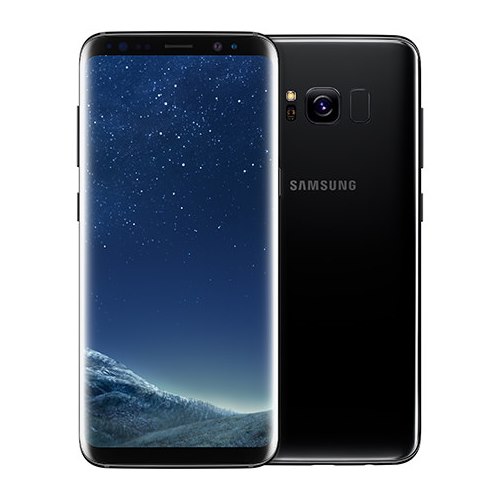
Apple has another challenge in China. Several pieces of research show that Apple ranks fourth, or perhaps fifth, in terms of smartphone sales. Even if people can afford an iPhone, will they choose it over products made by market leader Samsung, which research firm Canalys claims has 21% of the market to Apple’s 6%? China-based Lenovo also has a much larger market share than Apple, and presumably an advantage in its home market.

Apple’s success in China, or lack thereof, may not mirror the history of the iPhone in the United States. Although Samsung has taken a great deal of Apple’s market share in America, Apple remains in second place. For the time being, it has that position cemented.

In China, Apple is up against a population that is much poorer than in the United States, as well as entrenched competition that has built sales over several years before the new alliance between Apple and China Mobile. And what if the iPhone 5S is just too expensive to make Apple a raging success in the People’s Republic?

Photo of Douglas A. McIntyre
About the Author Douglas A. McIntyre →

Douglas A. McIntyre is the co-founder, chief executive officer and editor in chief of 24/7 Wall St. and 24/7 Tempo. He has held these jobs since 2006.

McIntyre has written thousands of articles for 24/7 Wall St. He is an expert on corporate finance, the automotive industry, media companies and international finance. He has edited articles on national demographics, sports, personal income and travel.

His work has been quoted or mentioned in The New York Times, The Wall Street Journal, Los Angeles Times, The Washington Post, NBC News, Time, The New Yorker, HuffPost USA Today, Business Insider, Yahoo, AOL, MarketWatch, The Atlantic, Bloomberg, New York Post, Chicago Tribune, Forbes, The Guardian and many other major publications. McIntyre has been a guest on CNBC, the BBC and television and radio stations across the country.

A magna cum laude graduate of Harvard College, McIntyre also was president of The Harvard Advocate. Founded in 1866, the Advocate is the oldest college publication in the United States.

TheStreet.com, Comps.com and Edgar Online are some of the public companies for which McIntyre served on the board of directors. He was a Vicinity Corporation board member when the company was sold to Microsoft in 2002. He served on the audit committees of some of these companies.

McIntyre has been the CEO of FutureSource, a provider of trading terminals and news to commodities and futures traders. He was president of Switchboard, the online phone directory company. He served as chairman and CEO of On2 Technologies, the video compression company that provided video compression software for Adobe’s Flash. Google bought On2 in 2009.

Featured Reads

Our top personal finance-related articles today. Your wallet will thank you later.

Continue Reading

Top Gaining Stocks

CBOE Vol: 1,568,143
PSKY Vol: 12,285,993
STX Vol: 7,378,346
ORCL Vol: 26,317,675
DDOG Vol: 6,247,779

Top Losing Stocks

LKQ
LKQ Vol: 4,367,433
CLX Vol: 13,260,523
SYK Vol: 4,519,455
MHK Vol: 1,859,865
AMGN Vol: 3,818,618