


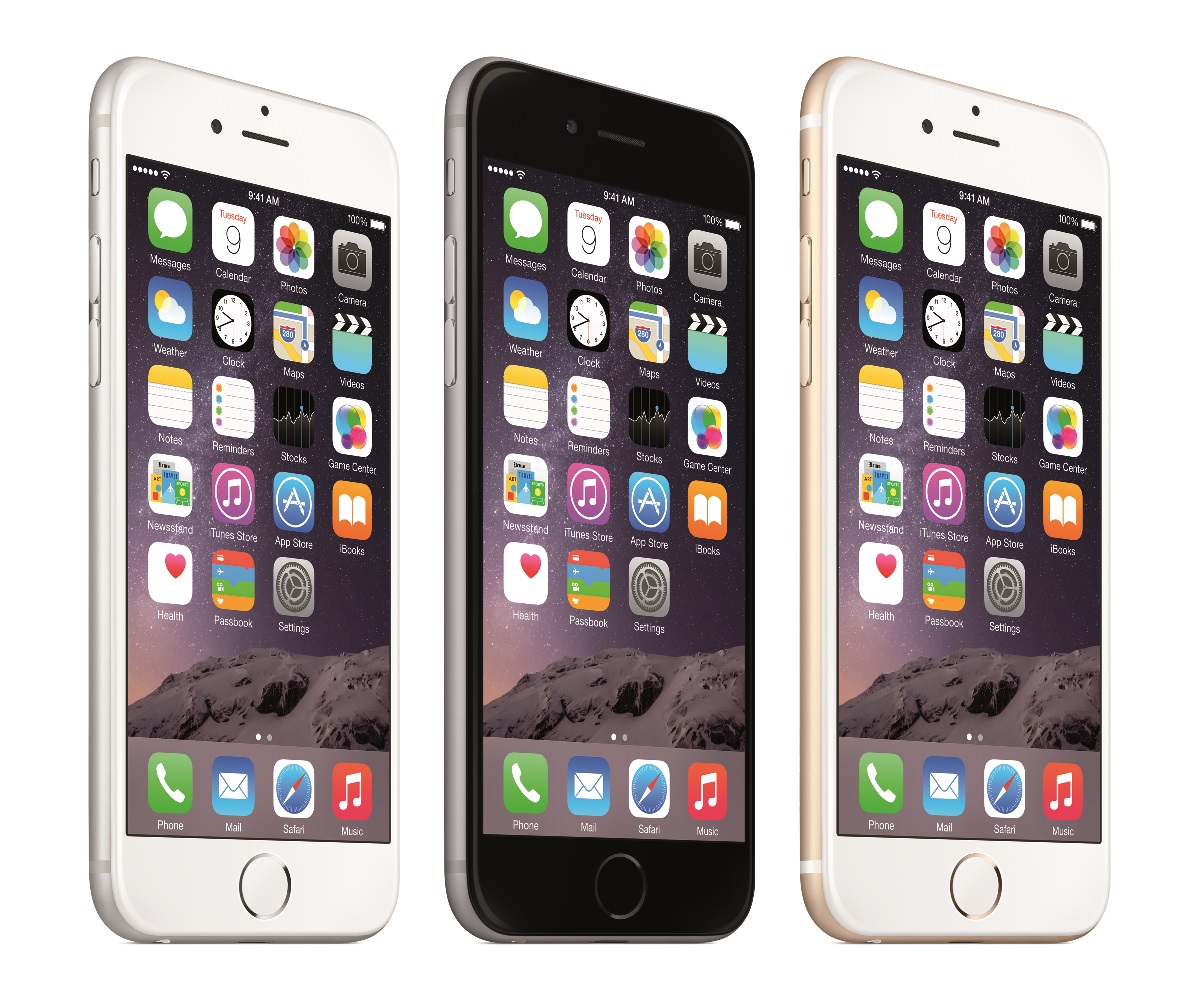
The iPhone 6 and iPhone 6 Plus were launched on September 6, so sales did not contribute to all the days of the most recent quarter. Granted, early demand was so tremendous that it made up for the date issue. In the past quarter, Apple sold 74.5 million iPhones, which drove $51.1 billion in revenue against a quarterly total of $74.6 billion.
The theories that Apple cannot sell 100 million iPhones this quarter fall into two schools. The first is that demand has been so great since the smartphone was launched that everyone who wants one has one. The other is that a growing number of people prefer Google Inc.’s (NASDAQ: GOOGL) Android operating system, which is at the heart of Samsung phones, over Apple’s iOS.
However, the iPhone 6 and iPhone 6 Plus sales may continue to be lifted due to China. Because of the size of the nation’s wireless market, Apple could ride that to much of the 100 million iPhone sales this quarter. China’s population owns more than 1.2 billion wireless devices. Apple is a partner with several of the largest carriers there, led by China Mobile Ltd. (NYSE: CHL), which according to Forbes has 50 million 4G subscribers.
The Apple Watch may be the flag bearer of the company’s ongoing innovation, but iPhone sales are the only yardstick for its success. Apple’s extraordinary $725 billion market cap and all-time high stock price do not rely on a watch.
ALSO READ: MacBook vs. Surface Pro 3: Who Wins, and at What Cost?






 Top Gaining Stocks
 Top Losing Stocks