


Apple Inc. (NASDAQ: AAPL) management uncharacteristically has bungled some critical decisions. The mistakes have cost shareholders dearly as its stock has fallen 22% in the past three months. Based on this series of strategic mistakes, Apple may be the worst-run company of 2018.
iPhone sales in the most recently reported quarter were weak. And Apple said it will no longer iPhone units shipments. The announcement worried some outsiders who considered the move a way to mask falling sales.
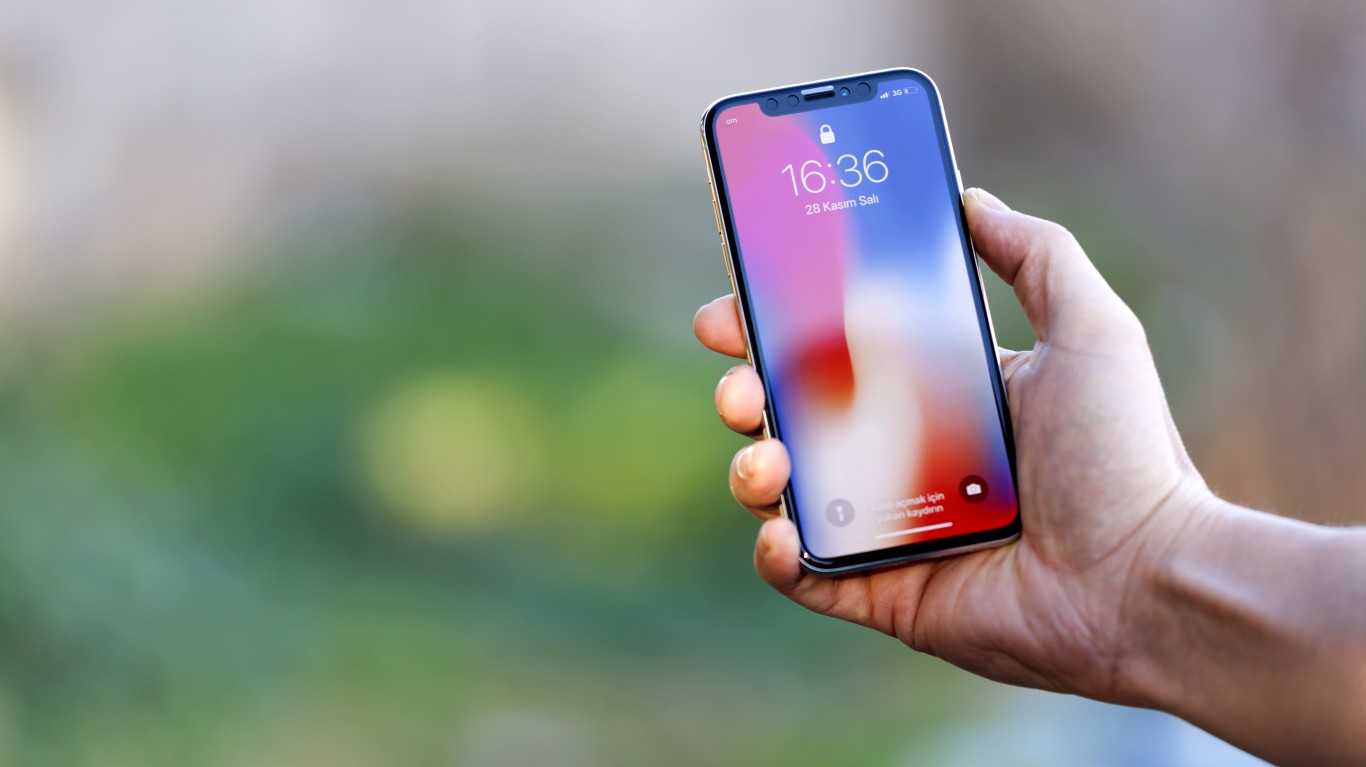
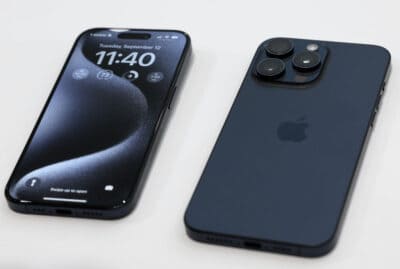
Apple made mistakes about the launch dates, features and prices of new iPhone models. Press reports say that Apple has cut prices of the iPhone XR. The smartphone carries a price of $749. It is the least expensive of the new iPhone line. The iPhone XS is priced at $999 and the XS Max at $1,099. These are base prices and can go higher with some features. The drop in price for the XR shows Apple may be having trouble selling even the least expensive of its new smartphone line.
How real are Apple’s iPhone problems? According to Bloomberg, for suppliers, Apple’s troubles have become more than a headache:
Cirrus Logic Inc. joined a growing list of Apple Inc. suppliers in cutting its revenue forecast for the holiday quarter. The Austin, Texas-based chipmaker cited “recent weaknesses in the smartphone market” in reducing sales projections for the current quarter to a range of $300 million to $340 million.
[nativounit]
Bloomberg further reported:
Apple Inc. is experimenting with iPhone marketing strategies it rarely uses — such as discount promotions via generous device buyback terms — to help goose sales of its flagship product. Company executives moved some marketing staff from other projects to work on bolstering sales of the latest handsets in October, about a month after the iPhone XS went on sale and in the days around the launch of the iPhone XR, according to a person familiar with the situation. This person described it as a “fire drill,” and a possible admission that the devices may have been selling below some expectations.
These reports are echoed by some other media and Wall Street analysts. HSBC recently cut its price target for Apple for the next 12 months to $200 from $205. The cut seems mostly symbolic, but the reasons were not. Slow emerging market sales and the fact that Apple still relies on the iPhone for much of its success were behind the decision.
The iPhone is not Apple’s only problem. It has fallen behind competitors in critical areas. Google’s home assistant product Home and Amazon’s Alexa-powered hardware lead the market. Apple’s HomePod trails well behind. In streaming media, a critical service to maintain customers, Apple trails both Amazon and Netflix.
Apple’s MacBook and iPad also face intense competition. Microsoft’s Surface laptops and new products from Dell and Google have become aggressive and successful competition.
Apple had leads in several critical areas of the tech world. In some, it no longer is the dominant force. Management decisions triggered these problems. Apple is no longer well run. As a matter of fact, management has gone a long way to hamper future success, and it has no one else to blame.
[recirclink id=508883]
[wallst_email_signup]







 Top Gaining Stocks
 Top Losing Stocks