


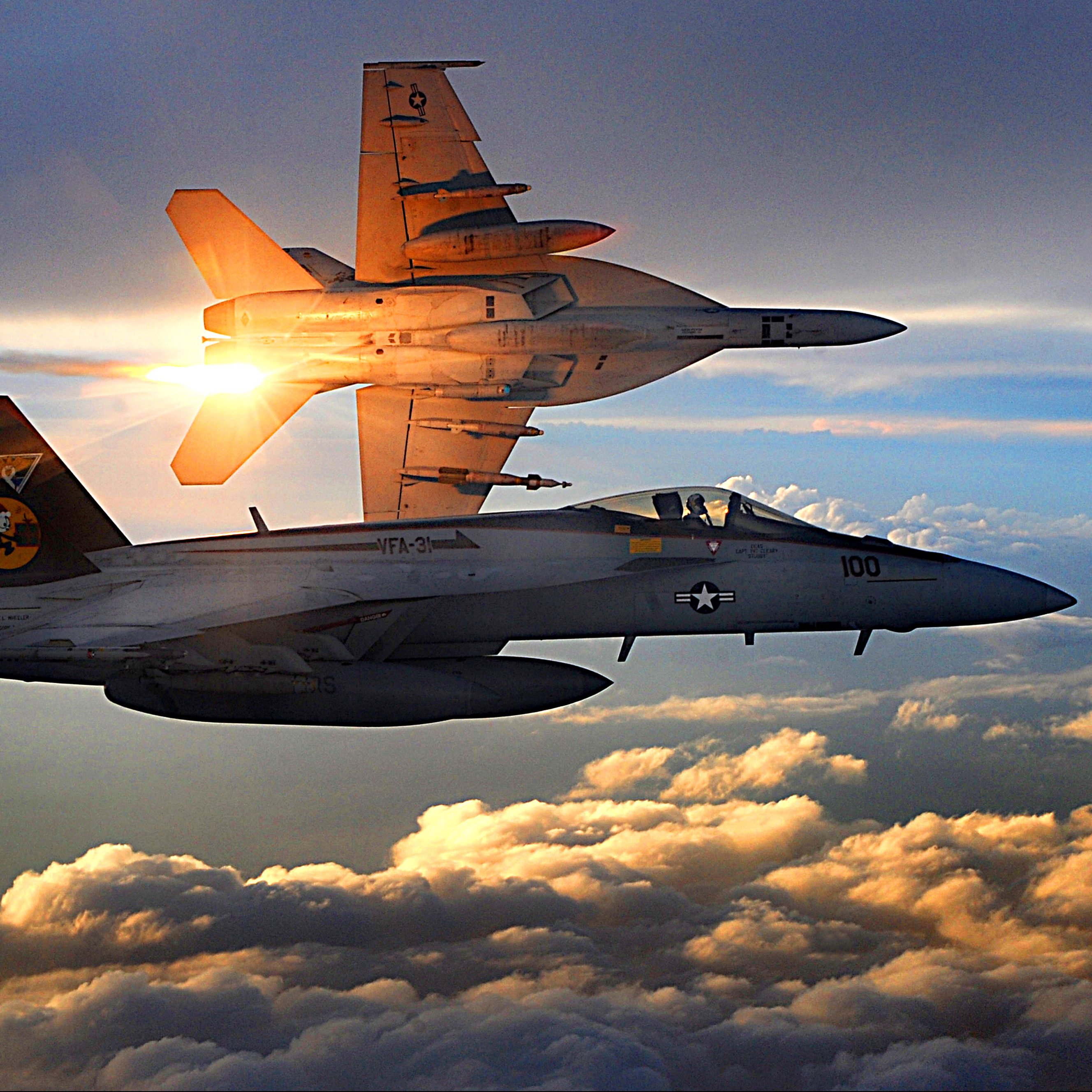
 The U.S. sold $29.4 billion worth of F-15s to Saudi Arabia. The State Department and defense contractors can take whatever solace they need in the adage that fighter jets do not kill people — fighter pilots do. U.S. defense contractors have built a multibillion industry that allows them to export billions of dollars of weapons, as they have appropriately traded guns for American jobs.
Natural gas and other fuels were the largest U.S. export in terms of dollars in 2011, an unexpected development. The idea that America could export energy when it is so dependent on foreign oil seems unlikely. But natural gas is plentiful in the U.S., and demand from overseas for jet fuel and diesel was large.
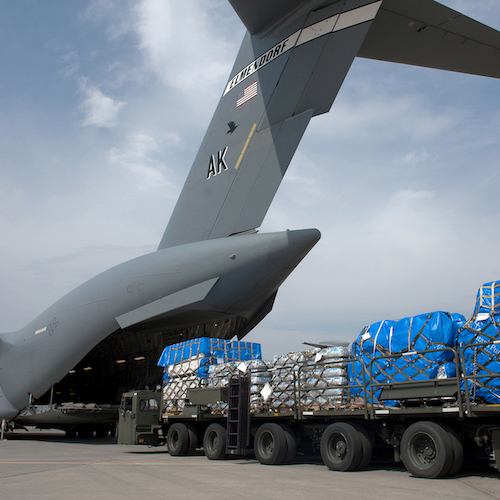
Notwithstanding the sharp rise in fuel exports, planes and agricultural products have been at or near the top of the export list. That did not change much in 2011. The U.S. is still the “bread basket” of the world, and corn and wheat are still exported in hundreds of millions of tons. But the demand for commercial and military planes remains high and is getting higher.
Many economist would argue, correctly, that without the fuel, aircraft, and agricultural exports, hundreds of thousand of jobs would be lost. The debate over whether sustaining these jobs has any ethical implication is easy to answer in terms of energy or grain. There is no potential loss of human life tied to these products. In fact, agricultural products probably save lives.
Weapons fall into the class of products that can, and often do, kill people. The export of weapons is not confined to aircraft. Guns and shells use to kill on the ground are also included.
There are two arguments in favor of weapons exports. The first is that Lockheed Martin (NYSE: LMT) and Boeing (NYSE: BA) are large employers. The other is that weapons sales tether allies like Saudi Arabia to the U.S. This second argument in favor of arms sales is extremely compelling.
The protests over arms sales to foreign governments will exist as long as the practice goes on. The American government has made a reasonable exchange. These sales create jobs, and the U.S. is not responsible for how the guns and airplanes are used, although its is almost certain that they will be.
Douglas A. McIntyre








 Top Gaining Stocks
 Top Losing Stocks