


What does Ukraine’s economy actually look like? Here is an analysis from 24/7 Wall St. editors.
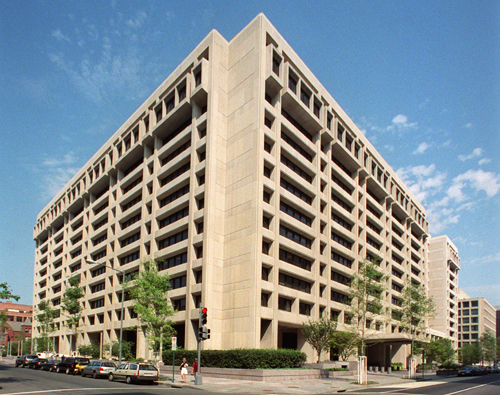
Ukraine faces a default on some of its sovereign bonds as the political upheaval in the country has caused a rift with Russia, which had planned a bailout of Ukraine’s economy. The Russian package would have been as large as $15 billion. Russian leadership believes a new government in Ukraine might form alliances with nations in the West, one cause for the invasion of Crimea. In recent years, Russia was its primary ally. The decision leaves Ukraine to ask for money from the International Monetary Fund (IMF), and perhaps nations within the European Union or the United States. At this point, the West and the IMF have stated they will help Ukraine financially in the place of the Russians.
Any loans would come with extraordinary risks. S&P recently cut Ukraine’s sovereign debt to CCC with a negative outlook. A default on Ukraine paper could have triggered problems similar to those Greece and its creditors faced two years ago. Outside investors could be forced to take cents on the dollar as the government restructures its obligations.
Ukraine is a large part of the region’s economy, so this deterioration will spread beyond its borders.
The IMF ranks Ukraine as the world’s 54th largest economy by GDP at $176 billion. The World Bank ranks it 51st, with GDP pegged at the same level. Its GDP is about the same size as that of Qatar and Peru.
The World Bank reports that Ukraine’s economy has stalled. Its GDP did not grow in 2012 and 2013. If the crisis in the country continues, economic growth could remain flat, or even plunge. Ukraine’s GDP problems are related to those of most of the European region, where the recession has lingered longer than in the rest of the world. Political problems in Ukraine make it a poor place to invest capital, according to World Bank analysis. The strength of Ukraine’s agricultural exports, mostly grain, has been the backbone of its economy. And the fundamentals of the sector are weakening. The World Bank reports:
Ukraine has tremendous agricultural potential and could play a critical role in contributing to global food security. This potential has not been fully exploited due to depressed farm incomes and a lack of modernization within the sector. The establishment of a legal framework for secure land ownership, development of an efficient registration system, and ensuring free and transparent land markets are important elements of a policy framework that could facilitate agricultural development in Ukraine.
Much of this grain goes to Russia and other large countries in the region, which makes it important to the finances and trade inside the region. The irony of Ukraine’s economic situation is that Russia is Ukraine’s primary source of energy assets, and the relationship between the two countries over energy has been poor, and even contentious. According to the CIA Factbook:
Ukraine’s dependence on Russia for energy supplies and the lack of significant structural reform have made the Ukrainian economy vulnerable to external shocks. Ukraine depends on imports to meet about three-fourths of its annual oil and natural gas requirements and 100% of its nuclear fuel needs.
Additionally, much of Russia’s oil and gas supply to Europe passes through pipelines that run through Ukraine.
Almost all experts on Ukraine’s economy point to the same threat to economic growth. With a government under siege and the possibility of prolonged political and armed battles, Ukraine could quickly slip back into recession. Its prowess as an exporter of grain may not be enough to offset that.






 Top Gaining Stocks
 Top Losing Stocks