Detroit Sells Homes for $1,000

Photo of Douglas A. McIntyre
By Douglas A. McIntyre Updated Published
This post may contain links from our sponsors and affiliates, and Flywheel Publishing may receive compensation for actions taken through them.

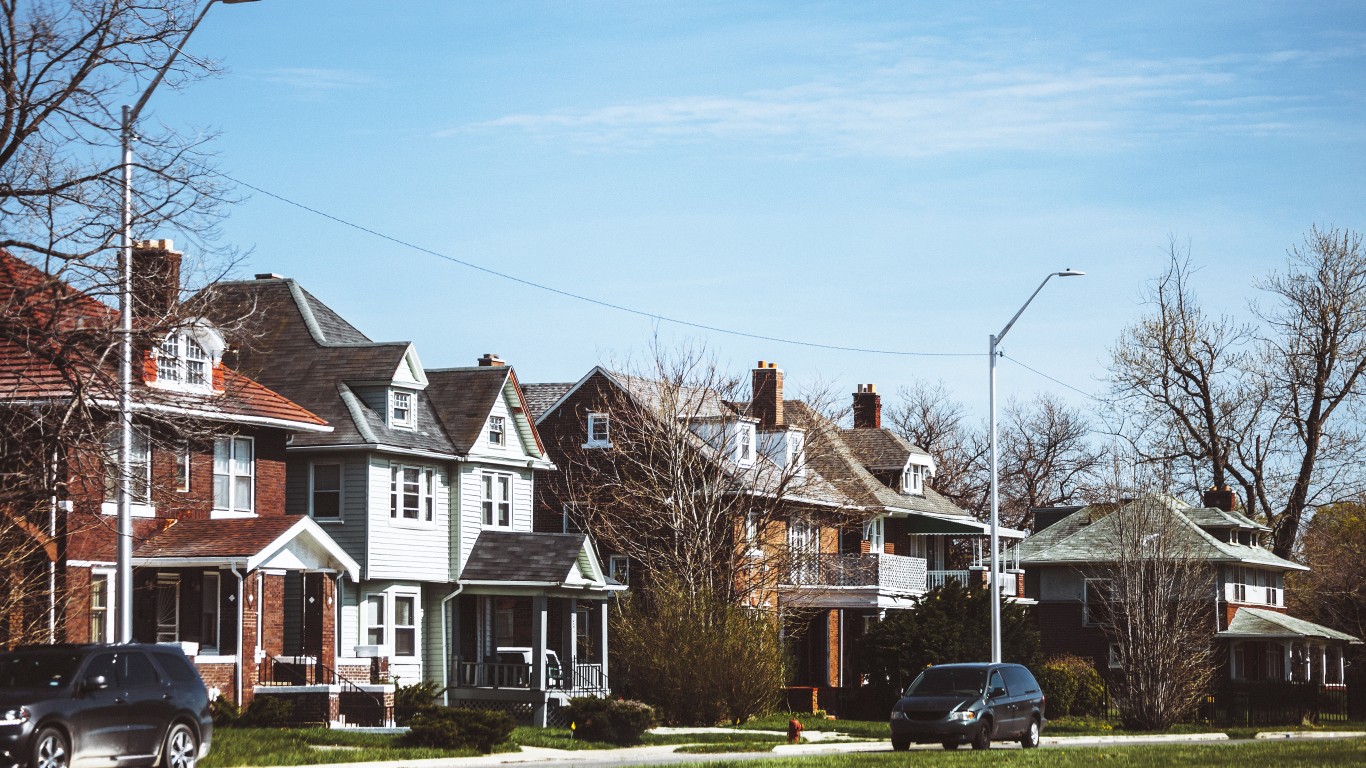
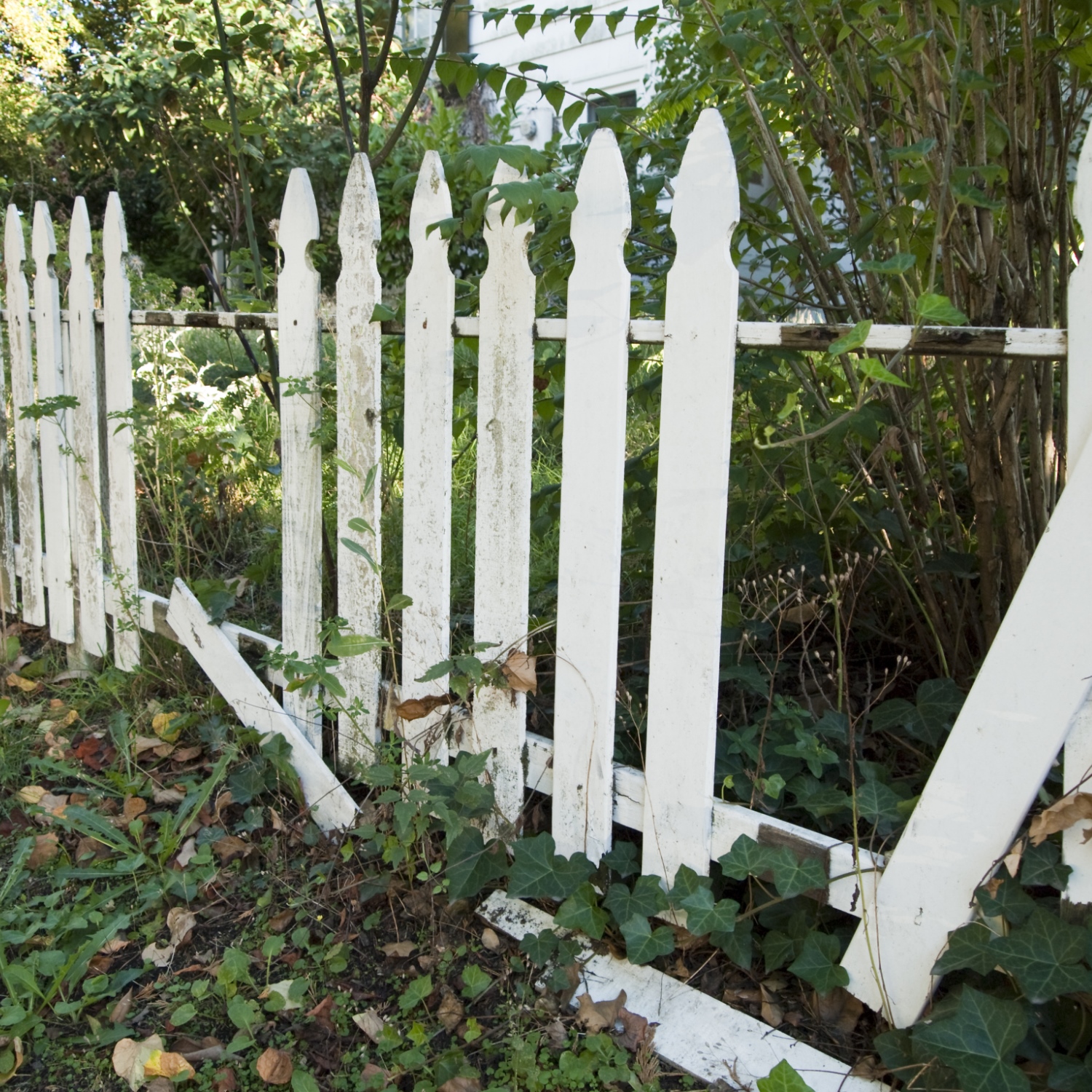
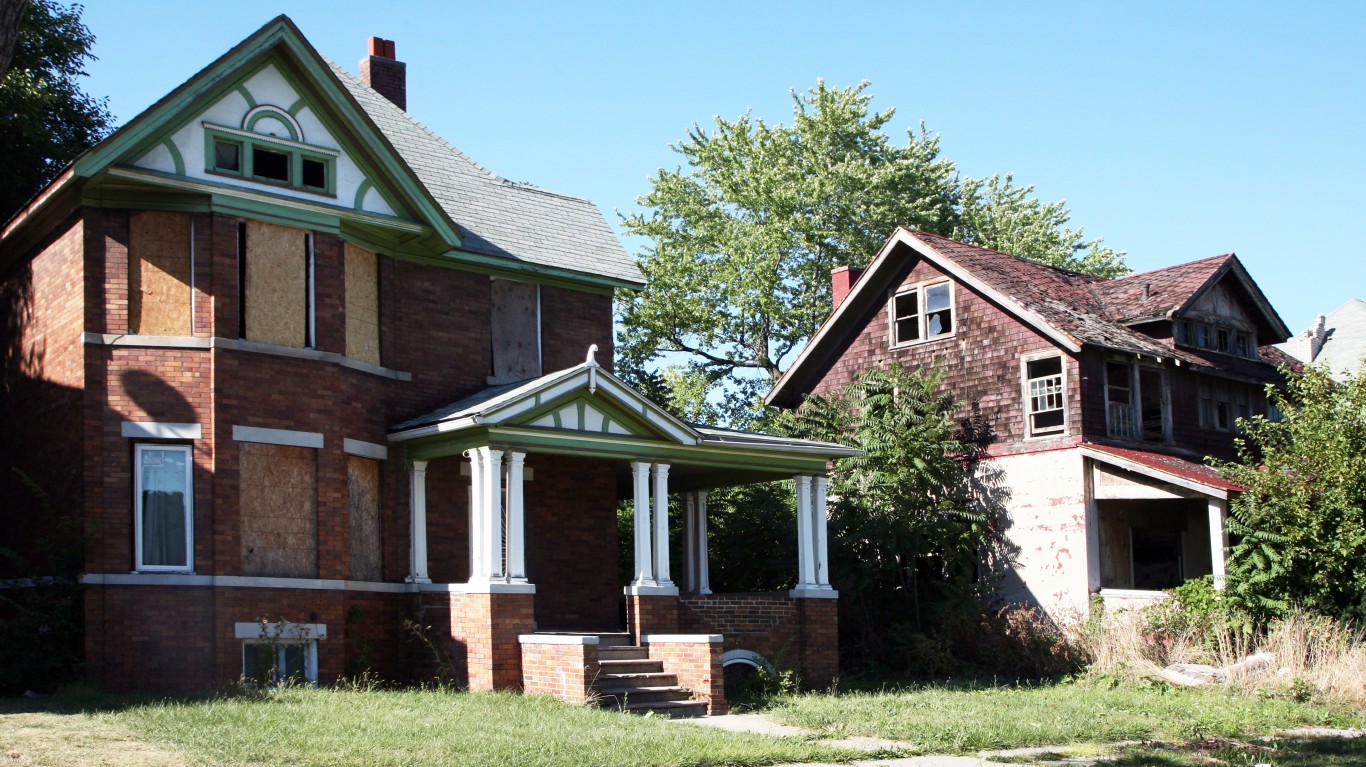
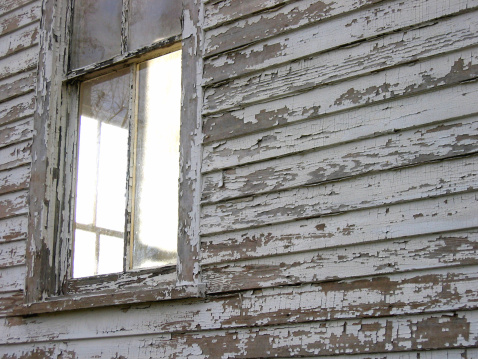
Detroit has started to auction homes for as little as $1,000 each. Its Building Detroit website launched Monday with 15 homes and a series of rules buyers must follow once they take possession of the properties. The action suggests just how far Detroit has fallen and how unlikely it is that people will want to move into the more blighted parts of the city.

The houses can be purchased with a credit card. However, the cards are only charged if buyers do not pay on time for a home for which they have the winning bid. Properties will be online for a week before bidding begins; auctions begin May 5. Open Houses will allow potential owners to walk through the houses.

Not everyone can bid. Under the rules set by the Detroit Land Bank Authority:

  • You must be a Michigan resident or a company or organization authorized to do business in Michigan.
  • You cannot have lost property to back taxes in Wayne County in the last three years.
  • You cannot have material unresolved blight or code violations in the City of Detroit.
  • Any bidder who misrepresents himself on these qualifications is subject to loss of payments and/or property.
  • In addition, the Detroit Land Bank reserves the right to exclude bidders with a history of delinquent taxes or code violations.

The website allows those who quality to click a “Bid Now” button next to the house for which they want to make an offer.

ALSO READ: America’s Most Miserable Cities

Rules for repairs and occupation are stiff:

  • Within 30 days after closing, you must provide the Land Bank an executed copy of a contract to rehab the home. If you can demonstrate to the Land Bank you have the skills to rehab the house yourself, within 30 days after closing you must provide the Land Bank receipts showing you have purchased the materials necessary.
  • Within 6 months of closing, you must provide the Land Bank with a Certificate of Occupancy for the house and demonstrate that the house has an occupant.
  • If you fail to meet these deadlines, you forfeit both your purchase price and the property.

It is almost impossible to think that any large American city would be forced into the position to sell broken-down homes online. However, Detroit is bankrupt, having fallen in to Chapter 9. Its population has dropped more than 50% since 1950, from 1.8 million to just over 700,000. And the city is huge geographically — 138 square miles. This means that as people have departed, large portions of the city have been left unoccupied. However, the city has to provide basic services, like police and fire protection, at costs that the city can no longer afford.

“We are moving aggressively to take these abandoned homes and get families living in them again,” said Mayor Mike Duggan. But with the city continuing to falter, buyers of $1,000 homes have to question whether owning them is worth it.

ALSO READ: The 10 Fastest Shrinking Cities

Photo of Douglas A. McIntyre
About the Author Douglas A. McIntyre →

Douglas A. McIntyre is the co-founder, chief executive officer and editor in chief of 24/7 Wall St. and 24/7 Tempo. He has held these jobs since 2006.

McIntyre has written thousands of articles for 24/7 Wall St. He is an expert on corporate finance, the automotive industry, media companies and international finance. He has edited articles on national demographics, sports, personal income and travel.

His work has been quoted or mentioned in The New York Times, The Wall Street Journal, Los Angeles Times, The Washington Post, NBC News, Time, The New Yorker, HuffPost USA Today, Business Insider, Yahoo, AOL, MarketWatch, The Atlantic, Bloomberg, New York Post, Chicago Tribune, Forbes, The Guardian and many other major publications. McIntyre has been a guest on CNBC, the BBC and television and radio stations across the country.

A magna cum laude graduate of Harvard College, McIntyre also was president of The Harvard Advocate. Founded in 1866, the Advocate is the oldest college publication in the United States.

TheStreet.com, Comps.com and Edgar Online are some of the public companies for which McIntyre served on the board of directors. He was a Vicinity Corporation board member when the company was sold to Microsoft in 2002. He served on the audit committees of some of these companies.

McIntyre has been the CEO of FutureSource, a provider of trading terminals and news to commodities and futures traders. He was president of Switchboard, the online phone directory company. He served as chairman and CEO of On2 Technologies, the video compression company that provided video compression software for Adobe’s Flash. Google bought On2 in 2009.

Featured Reads

Our top personal finance-related articles today. Your wallet will thank you later.

Continue Reading

Top Gaining Stocks

CBOE Vol: 1,568,143
PSKY Vol: 12,285,993
STX Vol: 7,378,346
ORCL Vol: 26,317,675
DDOG Vol: 6,247,779

Top Losing Stocks

LKQ
LKQ Vol: 4,367,433
CLX Vol: 13,260,523
SYK Vol: 4,519,455
MHK Vol: 1,859,865
AMGN Vol: 3,818,618