


According to an AP report:
The budget office earlier estimated the increase would mean $31 billion in higher 2016 earnings for low-paid workers — including many not directly covered by the proposal.
The math seems simple. Who would not trade an economic benefit of $31 billion for a private sector cost of only $15 billion?
However, it is not entirely clear what the effects of lifting people out of poverty are, particularly when the increase is so modest. The national minimum wage is $7.25. Many states have already set a minimum above that figure. Is a household in which annual income rises a few thousand dollars likely to be an engine of consumption? Proponents of the increase hope so, since consumer spending continues to be about two-thirds of gross domestic product.
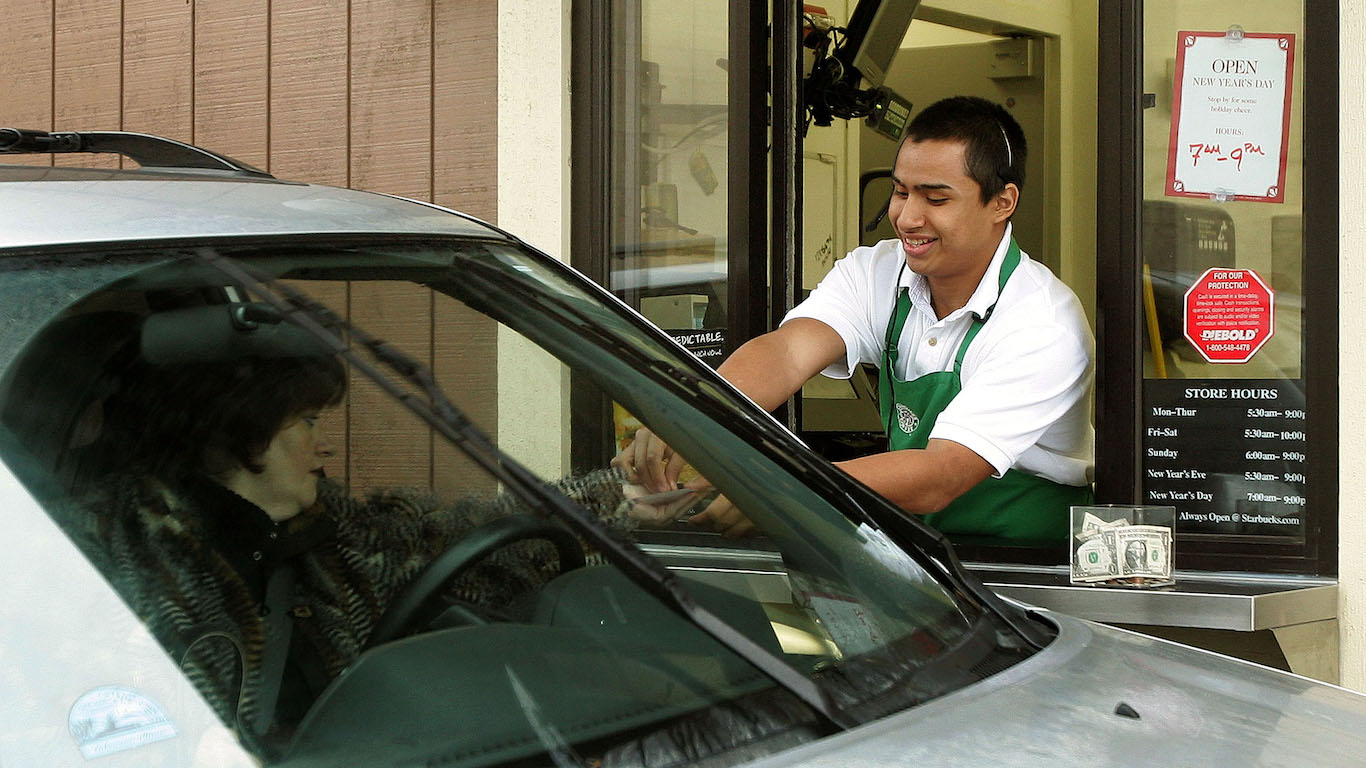
Fifteen billion dollars spread across hundreds of thousands of American companies does not seem like much on a per-company basis. However, the problem with that reasoning is that very small businesses may not be able to afford this. And huge companies like McDonald’s Corp. (NYSE: MCD) and Wal-Mart Stores Inc. (NYSE: WMT) say they have margins too thin to absorb the increase.
The real danger to the minimum wage increase is when it is measured against what is still a troubled economy. Many companies continue to be cautious about their prospects — cautious enough to hire mostly part-time workers. Anxious management may well lay off workers to offset what they have to pay to those who are left.
The $15 billion figure is not the serious issue. What occurs to the economy between now and 2017 is.






 Top Gaining Stocks
 Top Losing Stocks