


CNBC experts report that inflation in Venezuela runs at over 60%. An extraordinary surge saps consumer buying power immediately.
Venezuela’s economy suffers from an expanding recession. The World Bank expected, and its researcher wrote in a recent report:
On the economic front, Venezuela has benefited from the historically high international oil prices of the past decade, which have enabled increased government spending on ambitious programs. Additionally, the government nationalized several private companies in sectors such as hydrocarbons, mining and metallurgy, cement, banking and telecommunications.
Venezuela has achieved high growth rates (5.6% in 2012). However, GDP growth slowed to 1.4% in 2013 — according to unofficial figures — and a significant decline is forecast, even resulting in negative growth in 2014 and 2015
ALSO READ: The Most Corrupt Countries in the World
The World Bank worries that both a dictatorship and falling oil prices will cripple gross domestic product (GDP) more as time passes. A modest-sized GDP of $438 billion (barely the size of the GDP of Maryland) could be well below that number by the end of 2016. The International Monetary Fund is similarly pessimistic about the economy. It expects GDP to contract by 7% this year and 4% next. Also, unemployment is expected to rise to 16% next year.
One of the country’s opportunity to improved remains largely untapped, at least in contrast to potential. The country is the 12th largest oil exporter in the world. However, experts at the EIA made the observation that
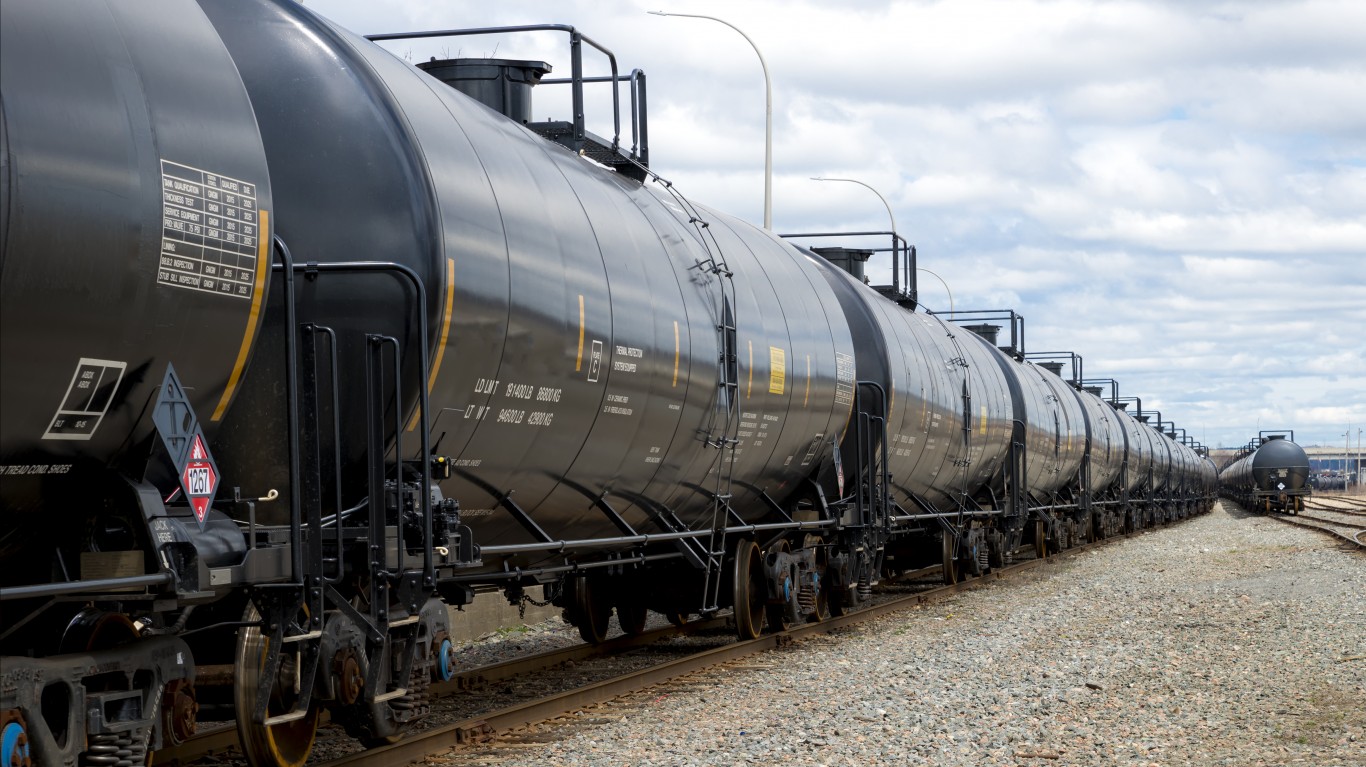
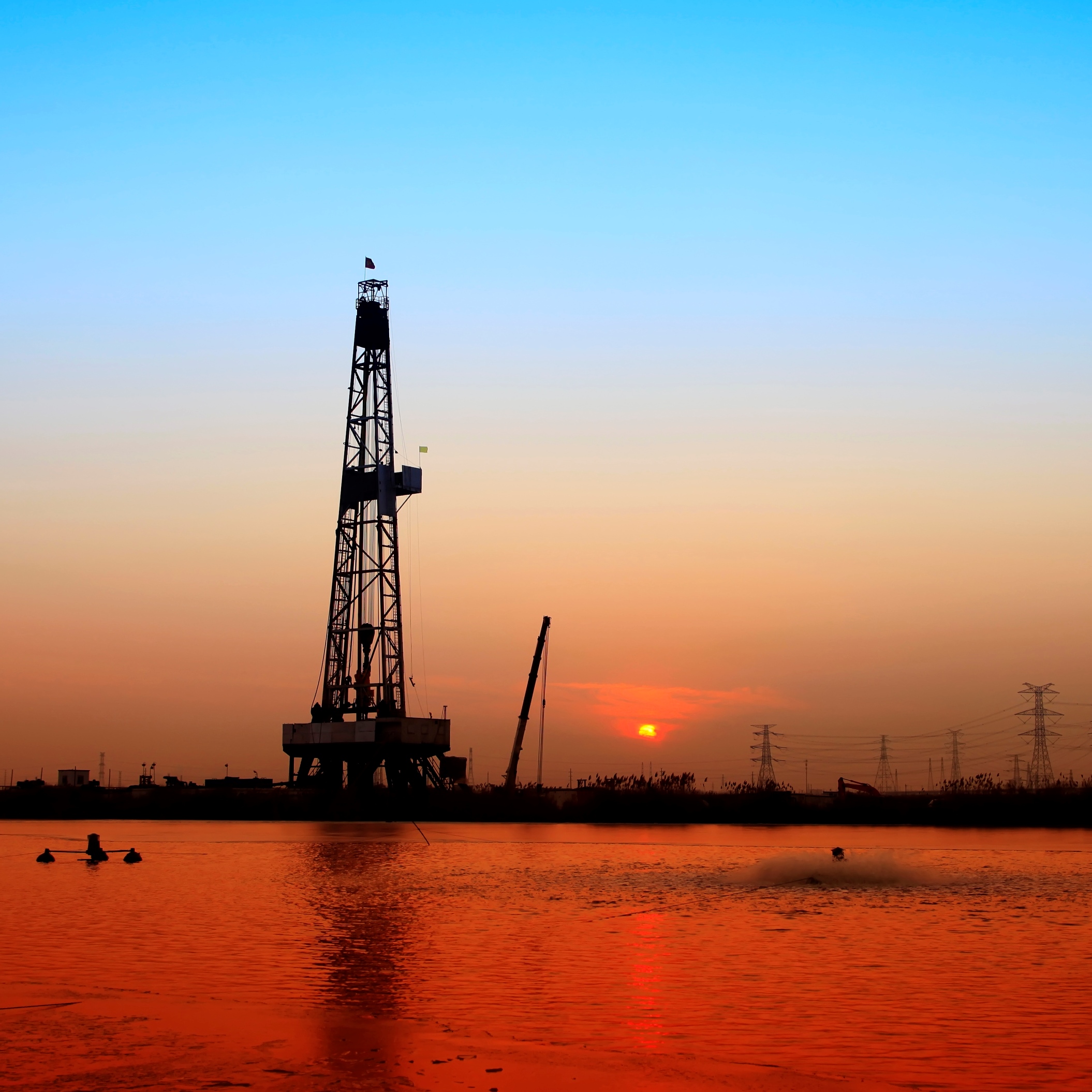
The U.S. Energy Information Administration (EIA) estimates that Venezuela produced 2.49 million barrels per day (bbl/d) of petroleum and other liquids in 2013. Crude oil and condensates represented 2.2 million bbl/d of the total, with condensates, natural gas liquids, and refinery processing gains accounting for the remaining production. This production level marks a significant decrease from production peaks in the late 1990s to early 2000s, largely owing to human capital losses from the 2002-03 strike and the diversion of revenues to social programs to bolster the administration rather than being reinvested into petroleum production.
The production levels do not match with the size of Venezuela’s reserves, which are second in the world by size, behind only OPEC, but ahead of Saudi Arabia. The use of those reserves has hurt the country because of how much it relies on oil. The CIA World Factbook experts write:
Venezuela remains highly dependent on oil revenues, which account for roughly 96% of export earnings, about 45% of budget revenues, and around 12% of GDP.
Finally, Venezuela has relied on the United States as a major trade partner for years, and one that boosted its economy. That period is over now, which means the end of a relationship that has buoyed the Latin American nation’s GDP growth. According to reports from writers at Reuters:
A growing number of U.S. companies say they can’t cope with Venezuela’s sinking bolivar currency, prompting some of them to remove their operations in the South American nation from their consolidated financial reports. In other cases, they have exited the country altogether through a sale or by simply shuttering their businesses there
Risk-reward has become only risk.






 Top Gaining Stocks
 Top Losing Stocks