In Potential Blow to China’s Economy, Air Pollution Affects Brain

Photo of Douglas A. McIntyre
By Douglas A. McIntyre Updated Published
This post may contain links from our sponsors and affiliates, and Flywheel Publishing may receive compensation for actions taken through them.
In Potential Blow to China’s Economy, Air Pollution Affects Brain

© Xiaolu Chu / Getty Images

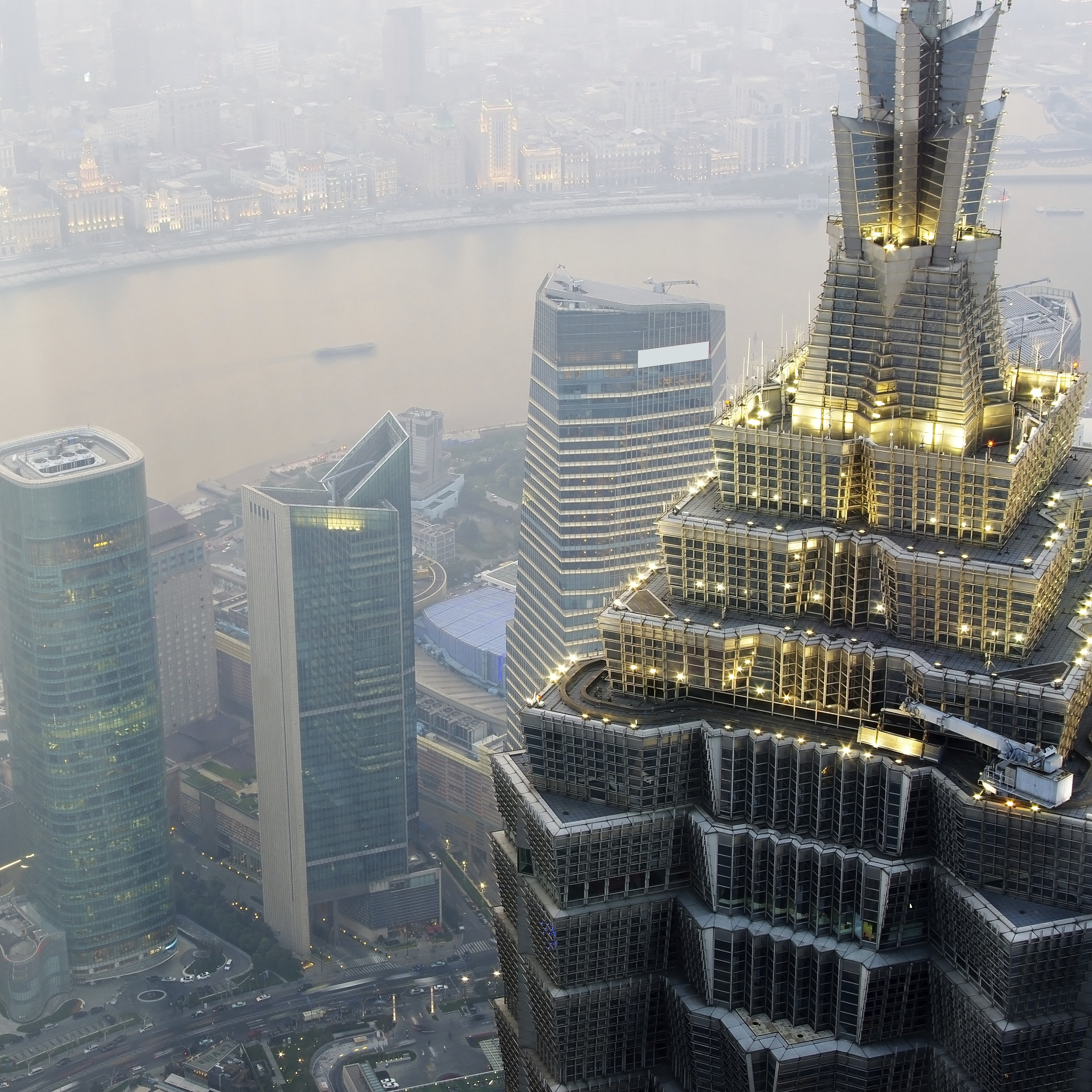
A number of studies have shown that air pollution causes deaths in large Chinese cities. More recent research shows another damaging result. Air pollution can affect the ability of older people to think clearly. China has a huge aging population.

According to a research paper done on behalf of The World Health Organization:

Most of the population in developing countries live in places with unsafe air. Utilizing variations in transitory and cumulative air pollution exposures for the same individuals over time in China, we provide evidence that polluted air may impede cognitive ability as people become older, especially for less educated men.

[in-text-ad]

This, in turn, can hurt the economy as some adults lose partial ability to reason.

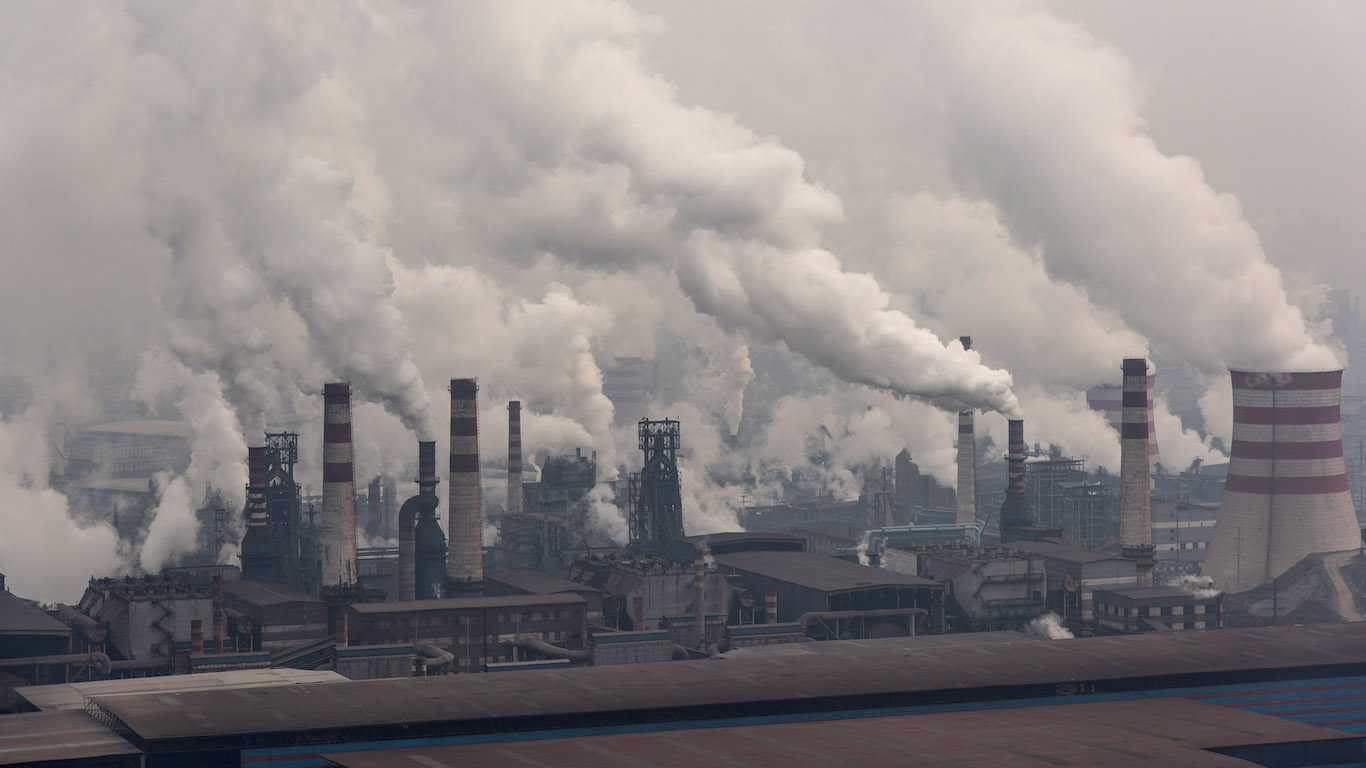
The earlier research estimated that air pollution kills over 4,000 people a day in China. When water pollution is added, the number is higher. The problem has caused the central government to take measures to cut pollution in big cities. This has gone so far as to cut car traffic and shutter plants temporarily.

[nativounit]

China’s largest cities are among the world’s most polluted based on air quality. Another WHO survey showed that, out of 11 cities with over 14 million residents, two are in China: Shanghai and Beijing. Other studies show that the problem already has hit a number of China’s cities with large populations.

As China’s population ages quickly, the problem of cognition among older people will bite the nation’s economy. Not only can the effect of air quality on this older population undermine their ability to function, making them less productive in many cases, but China may have to provide special care to many of them, an additional cost to the government.

Decades of lack of regulation of factory and auto activity have been catching up on China. The problem is getting worse as people age.

[wallst_email_signup]

Photo of Douglas A. McIntyre
About the Author Douglas A. McIntyre →

Douglas A. McIntyre is the co-founder, chief executive officer and editor in chief of 24/7 Wall St. and 24/7 Tempo. He has held these jobs since 2006.

McIntyre has written thousands of articles for 24/7 Wall St. He is an expert on corporate finance, the automotive industry, media companies and international finance. He has edited articles on national demographics, sports, personal income and travel.

His work has been quoted or mentioned in The New York Times, The Wall Street Journal, Los Angeles Times, The Washington Post, NBC News, Time, The New Yorker, HuffPost USA Today, Business Insider, Yahoo, AOL, MarketWatch, The Atlantic, Bloomberg, New York Post, Chicago Tribune, Forbes, The Guardian and many other major publications. McIntyre has been a guest on CNBC, the BBC and television and radio stations across the country.

A magna cum laude graduate of Harvard College, McIntyre also was president of The Harvard Advocate. Founded in 1866, the Advocate is the oldest college publication in the United States.

TheStreet.com, Comps.com and Edgar Online are some of the public companies for which McIntyre served on the board of directors. He was a Vicinity Corporation board member when the company was sold to Microsoft in 2002. He served on the audit committees of some of these companies.

McIntyre has been the CEO of FutureSource, a provider of trading terminals and news to commodities and futures traders. He was president of Switchboard, the online phone directory company. He served as chairman and CEO of On2 Technologies, the video compression company that provided video compression software for Adobe’s Flash. Google bought On2 in 2009.

Featured Reads

Our top personal finance-related articles today. Your wallet will thank you later.

Continue Reading

Top Gaining Stocks

CBOE Vol: 1,568,143
PSKY Vol: 12,285,993
STX Vol: 7,378,346
ORCL Vol: 26,317,675
DDOG Vol: 6,247,779

Top Losing Stocks

LKQ
LKQ Vol: 4,367,433
CLX Vol: 13,260,523
SYK Vol: 4,519,455
MHK Vol: 1,859,865
AMGN Vol: 3,818,618