


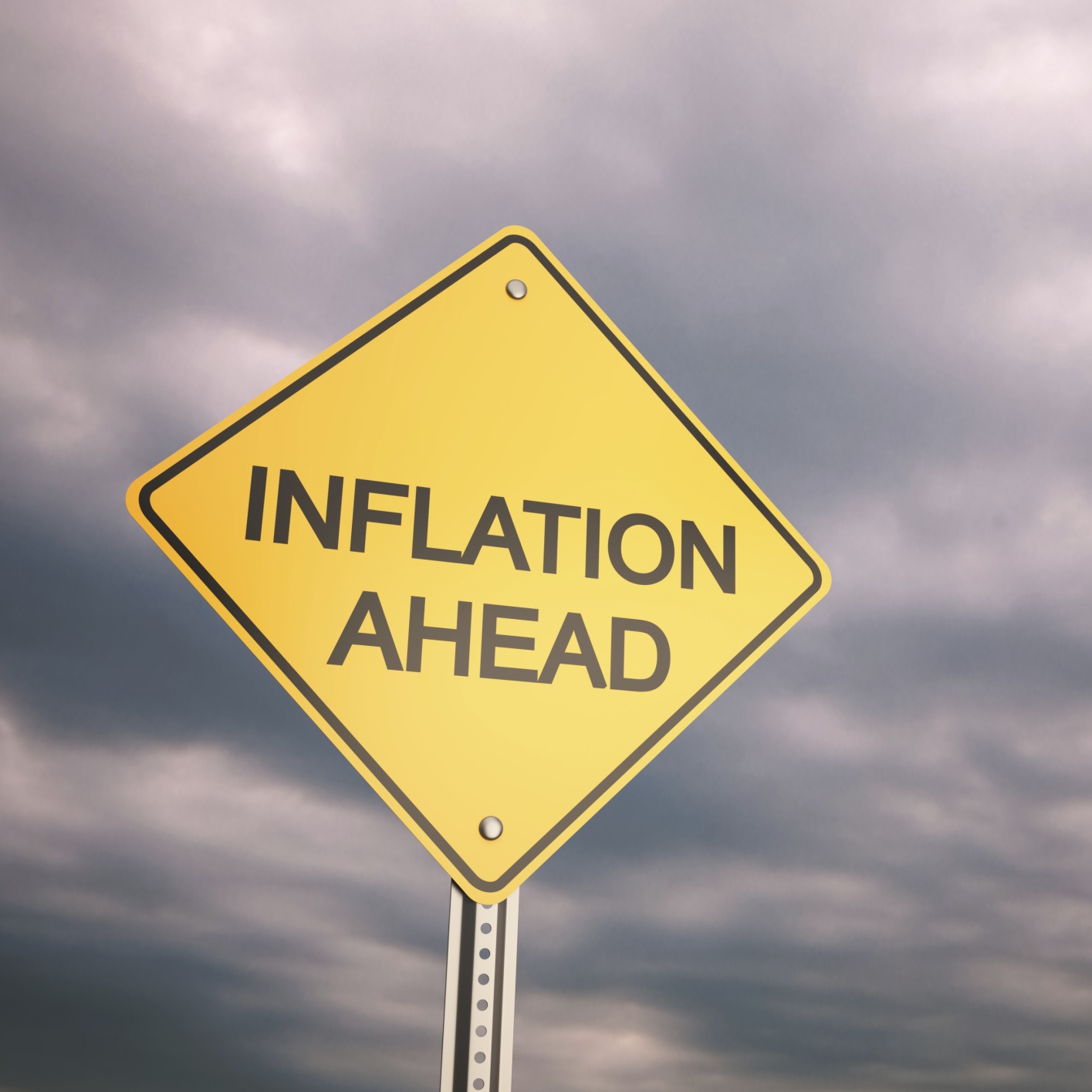
Is inflation finally here? The answer depends on what you are looking at, and if you can look at the data with rose-colored glasses. Tuesday morning’s report on October’s Consumer Price Index (CPI) showed a 0.2% gain from the prior month. This met expectations as the Bloomberg consensus was a gain of 0.2% as well.
Another 0.2% gain was seen for the year-over-year reading on headline CPI. The core CPI reading, which excludes food and energy, was up 0.2% on the monthly reading.
While the U.S. Department of Labor’s monthly reading of 0.2% sounds low, the Federal Reserve is looking at inflation for up to 2.0% to 2.5% in order to justify raising the fed funds rate. The core CPI reading actually came in at 1.9% on the year-over-year reading for October.
Now keep in mind that the core CPI annual reading for September was also 1.9%. That is two months in a row of almost 2.0% core inflation. The second mandate of full employment has been in place.
The overall inflation of course matters, but the Federal Reserve has a hard time dealing with oil and gas and with food prices. After all, you cannot print oil and steak.
Tuesday’s report from the Labor Department said:
The indexes for food, energy, and all items less food and energy all increased modestly in October. The food index, which increased 0.4 percent in September, rose 0.1 percent in October, with four of the six major grocery store food group indexes rising. The energy index, which declined in August and September, advanced 0.3 percent in October; major energy component indexes were mixed.
ALSO READ: Major Changes Seen in Warren Buffett’s Stock Holdings
Here is how things look over the past year, and take a look at what lower oil prices mean:
The food index has increased 1.6 percent over the past year, and the index for all items less food and energy has risen 1.9 percent. These advances have been mostly offset by a 17.1 percent decline in the energy index.














 Top Gaining Stocks
 Top Losing Stocks