



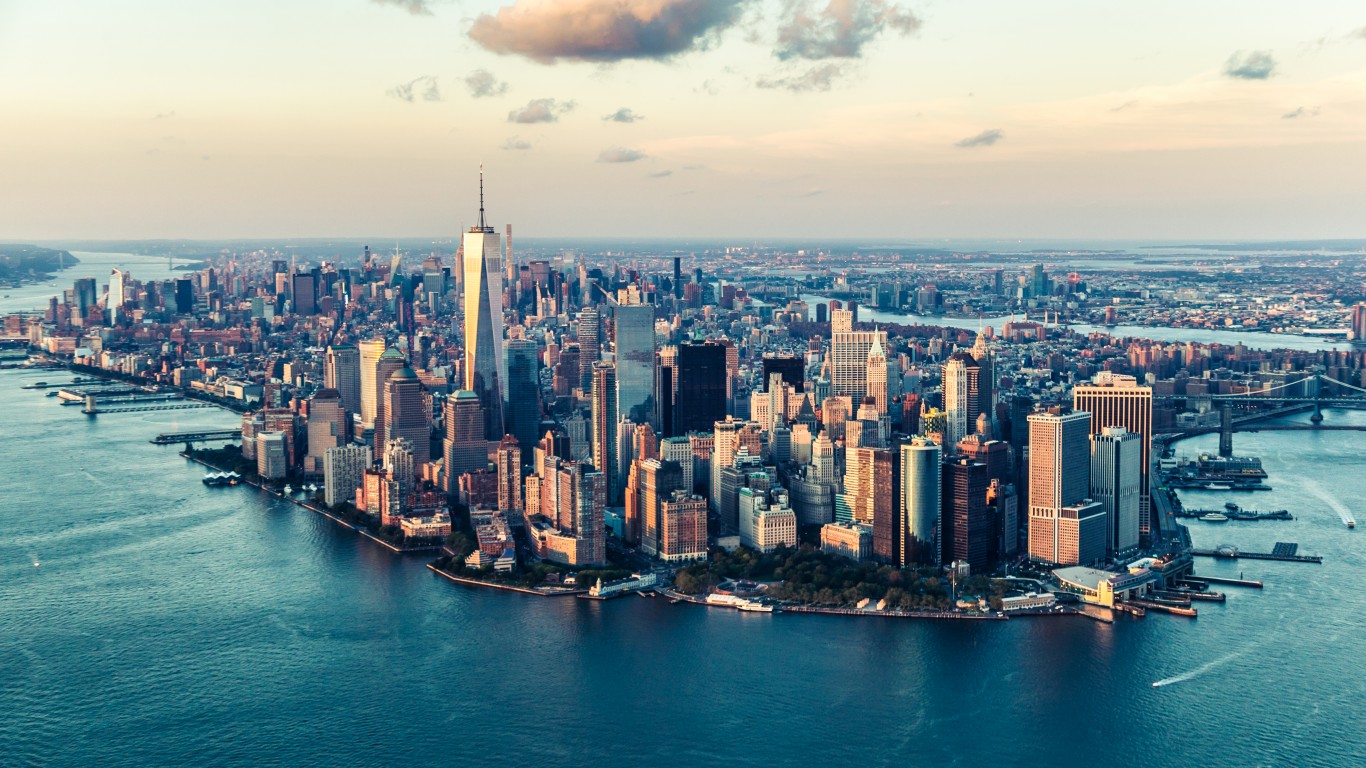
New York City has gotten $176 million from the Department of Housing and Urban Development. The city may not need the money. Expert predictions are that flood problems are unlikely to plague New York until 2050. The money will be needed, but it comes very early.
According to The New York Times, no one has to decide how the money should be used and which sections of the island need more protection, another reason to question the size and timing of the grant. Powerful Senator Chuck Schumer was instrumental in securing the money. The structures that could defend Manhattan are “temporary flood walls” and “grass berms.” The Times points out the berms could have a dual use that would include recreation.
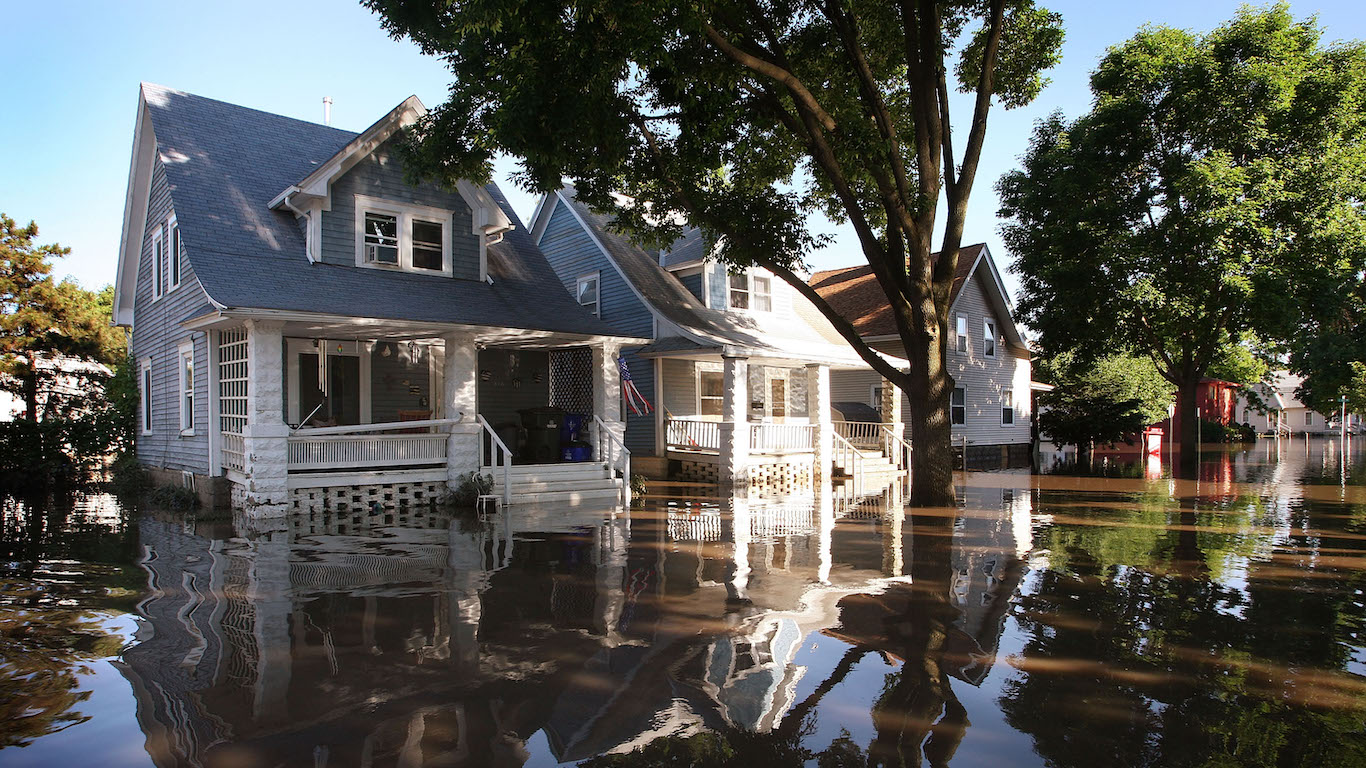
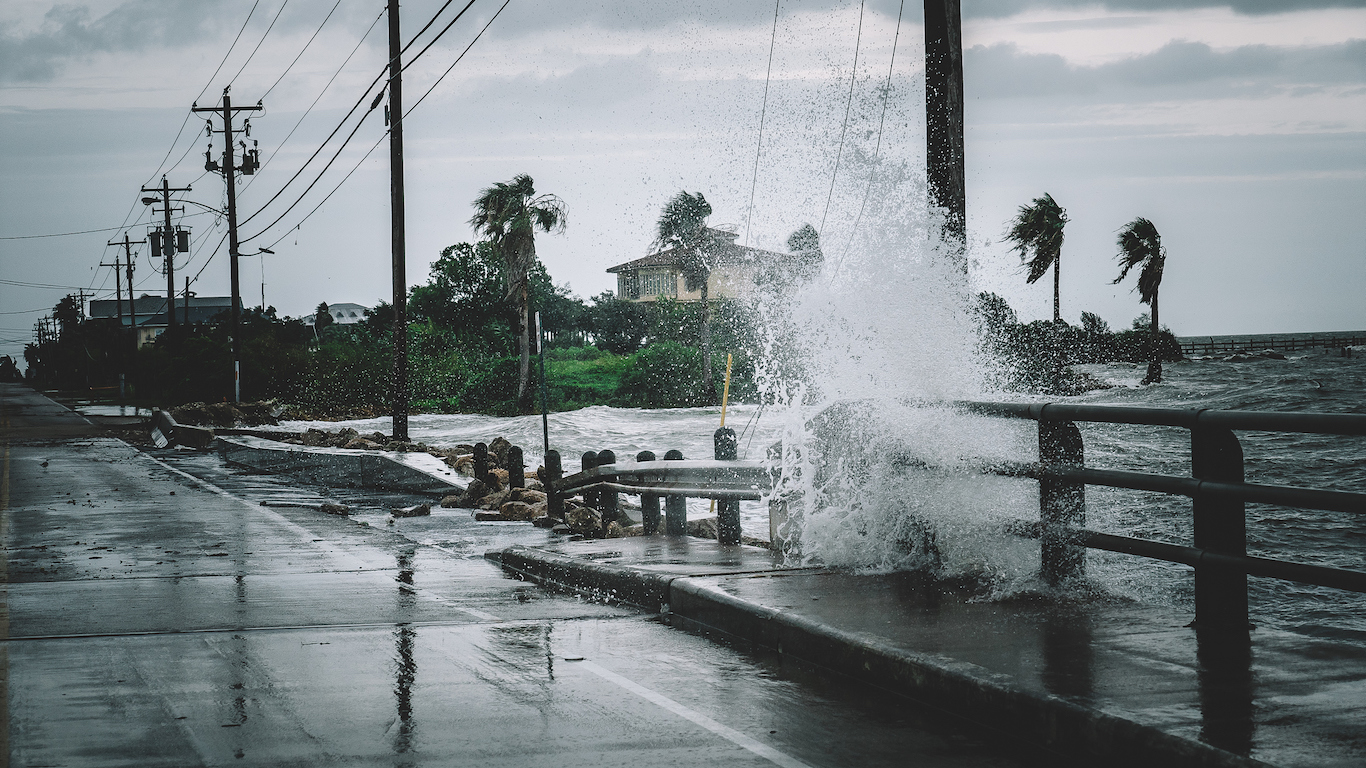
The funds are probably available because of the destruction brought on by Hurricane Sandy, which has been described as a 100-year storm. New York State governor Andrew Cuomo has pointed out that the storms seem to come every few years and not once a century. If he is right, the $176 million cannot come too soon.
[nativounit]
An analysis by the New York City Panel on Climate Change should comfort those who believe the island will be underwater in the next few years. The panel’s 2015 assessment included this analysis: a 100-year storm has a 1% chance of occurring in any given year and:
The report documents recent observed climate trends and extends the CRI 2013 projections to the 2080s and 2100 for temperature and precipitation (Chapter 1) and sea level rise (Chapter 2). It explains the spatial applicability of the projections to the wider New York metropolitan region and compares the NPCC2 methods to the recently published Fifth Assessment Report of the IPCC (IPCC, 2013). It presents new maps for the flood risks to the 2080s and 2100 for the current 100- and 500-year coastal flood event1 (Chapter 3). The report characterizes future coastal flooding through enhanced dynamic flood inundation (storm surge) modeling that includes the effects of sea level rise (Chapter 4) and provides a review of key issues related to climate change and health relevant to the citizens of New York City (Chapter 5). It then develops a process for establishing an indicators and monitoring system to track data related to climate hazards, risks, impacts, and adaptations, and presents metrics for evaluating the NYC Cool Roofs Program and its effect on the urban heat island (Chapter 6). The report ends with conclusions and recommendations with regard to both increasing climate change resiliency for the city and advancing the research required to build it.
2080 is a long way away.











 Top Gaining Stocks
 Top Losing Stocks