


There are two simple questions with complex answers regarding Iran’s economy. For starters, is Iran ready to come back into the global economy? And equally as important, is the world ready for Iran to come back into the global economy?
According to the ratings agency Moody’s, Iran is fiscally and structurally well placed to come back into the global economic scene. Iran’s credit is not rated by the agency. The agency’s report was said to be an update to the markets and does not constitute a rating action.
The first view by Moody’s is that Iran has significant economic growth potential. Some recent structural reforms have helped Iran to strengthen its fiscal foundation.
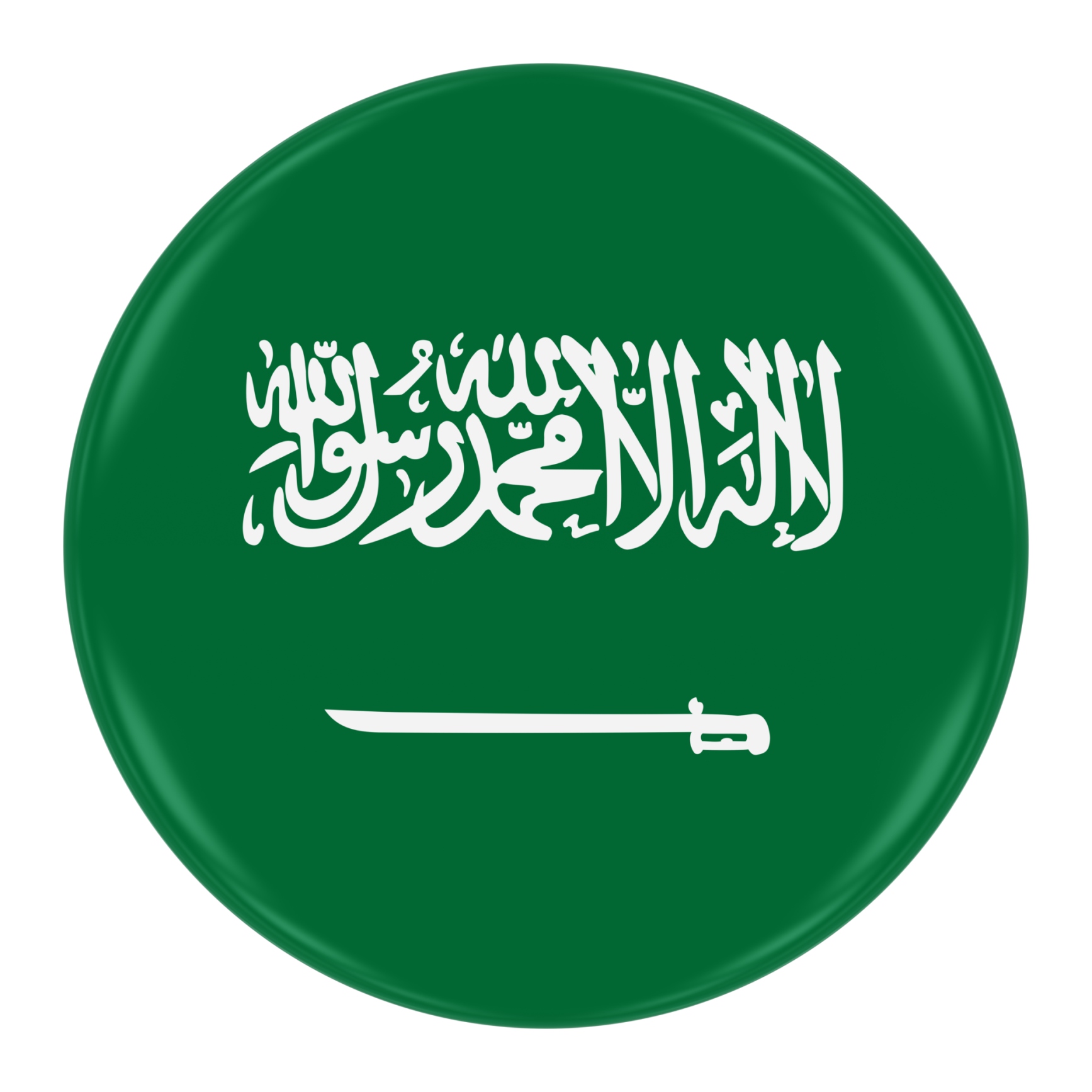
Moody’s noted that Iran’s economy is actually the second largest in the Middle East, valued at roughly $417 billion. This would put Iran’s economy immediately behind the largest economy of Saudi Arabia. They think that Iran is also more diversified than other regional oil exporters. Still, the removal of oil sanctions is expected to result in an investment inflow, and that money is expected to help revive Iran’s aging oil infrastructure. Moody’s used the figure of $90 billion annually from Iran’s finance minister as the amount of external financing need to meet its 8% economic growth target.
[nativounit]
Another boost here is that Iran’s capital and financial accounts remain resilient to external shocks. Unlike many emerging market economies being hurt by a U.S. Federal Reserve tightening, Iran’s exposure to the capital flow volatility deemed to be negligible by Moody’s.
There are some risks as well. Moody’s pointed out that Iran’s key credit driver remains political. In particular, one key issue is whether Iran will continue to meet its obligations under the recent agreement — and whether other countries will continue to agree that Iran is meeting its obligations.
Moody’s said:
Sanctions relief will grant Iran access to an estimated USD150 billion in frozen foreign assets. We project the resulting implementation of investment plans, as well as a recovery in oil production, to contribute to higher GDP growth of 5% in 2016 to 2017. … International sanctions meant that Iran had to adapt to the reality of lower oil revenues and implement structural reforms much earlier than other oil-exporters. Most other oil-dependent sovereigns are only just beginning to consider structural fiscal reform.




 Top Gaining Stocks
 Top Losing Stocks