


[cnxvideo id=”625487″ placement=”ros”]Unemployment has steadily declined and remains close to a 10-year low. And with investors confident about the economy, the Dow Jones Industrial Average broke through the 20,000 mark early this year. By these and other key measures, business in the United States appears to be booming.
This period of economic growth — much of it as a recovery from the Great Recession — has by no means been even across the country. A number of factors can explain the regional differences in economic growth, including the varying business climates across states.
To determine which states have the best and worst business climates, 24/7 Wall St. identified and reviewed nearly 50 measures of doing business. And the analysis showed that, edging out the likes of Massachusetts and Colorado, Utah was the best state for business:
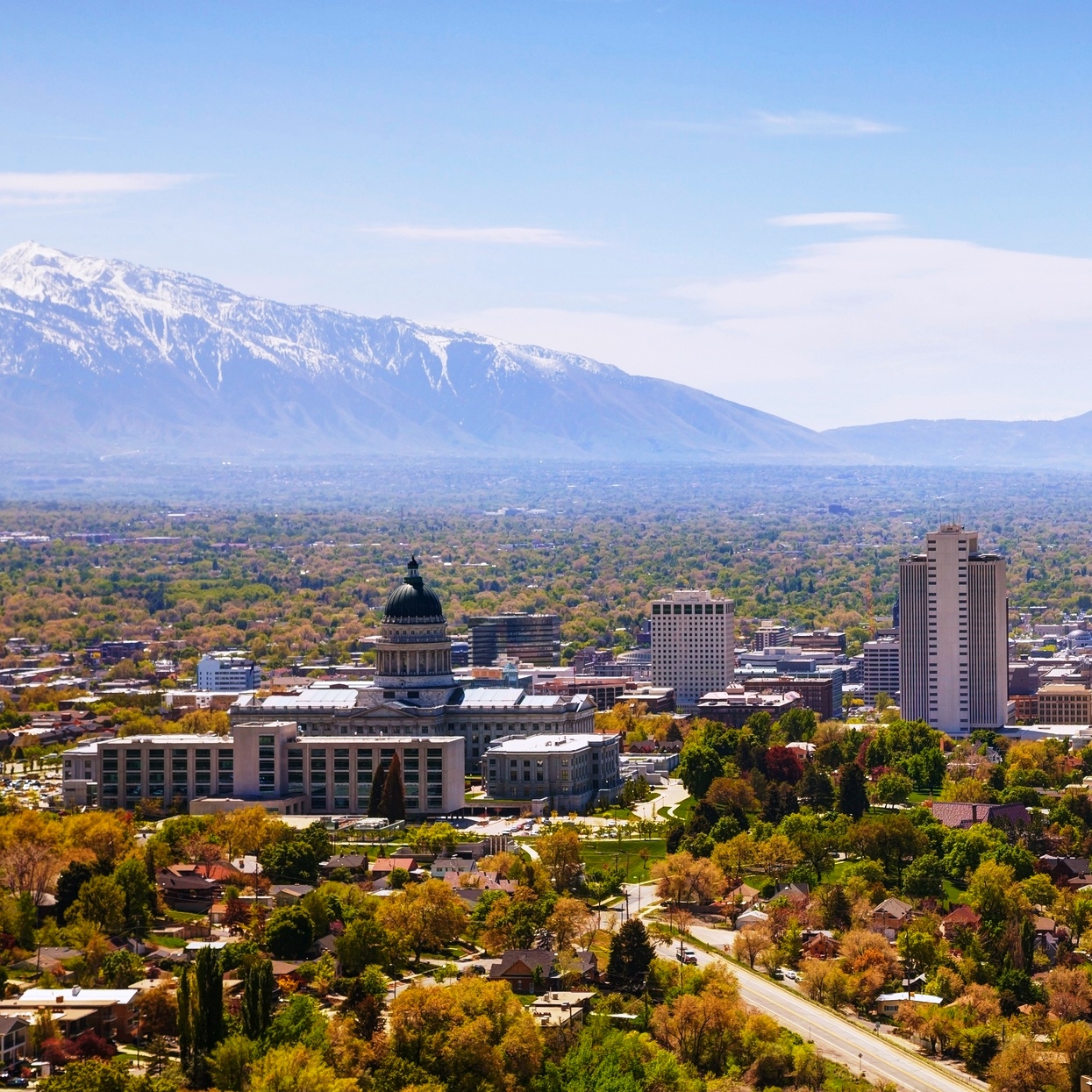
1. Utah
> 1-yr. real GDP change: 3.4% (6th highest)
> Avg. salary: $45,204 (18th lowest)
> Adults w/ bachelor’s degree: 31.8% (16th highest)
> Patents issued: 1,404 (23rd highest)
> Working-age population chg. 2010-2020: +20.5% (2nd highest)Utah is this year’s best state for business. The state’s labor market and regulatory climate are particularly business friendly compared to other states. Utah’s working-age population is projected to grow by more than 20% between 2010 and 2020, far greater than the comparable projected growth nationwide of less than 5%. Businesses are constantly looking for cost-cutting opportunities. Therefore, a state’s regulatory climate, including its tax policy and the power unions have in the state, can be a major factor when a company is considering where to locate and conduct business. Utah is among the top states in the Mercatus Center’s Regulatory Freedom Index, a ranking of state tax policy. Also, just 3.9% of Utah’s workers are union members, the third lowest share of all states. While this is perhaps less friendly to workers, it is a good sign for most businesses.
That is a far cry from Louisiana, which placed as the worst state to do business, in part due to the dwindling working-age population.
[nativounit]
While Utah was one of the states adding the most jobs since the Great Recession, according to 24/7 Wall St., it also ranked as one of the worst in terms of gender equality.
To determine the best and worst states for business, 24/7 Wall St. compiled 47 measures into eight categories: economic conditions, business costs, state infrastructure, the availability and skill level of the workforce, quality of life, regulations, technology and innovation, and cost of living. Each category aimed to capture the essential elements that businesses consider when deciding where to locate, and Each category consists of several measures. We created an index for each category using a geometric mean. We then used the geometric mean of each index score to calculate the overall scores.
See the full methodology and find out how all 50 states ranked among the best and worst for business.
[wallst_email_signup]











 Top Gaining Stocks
 Top Losing Stocks