


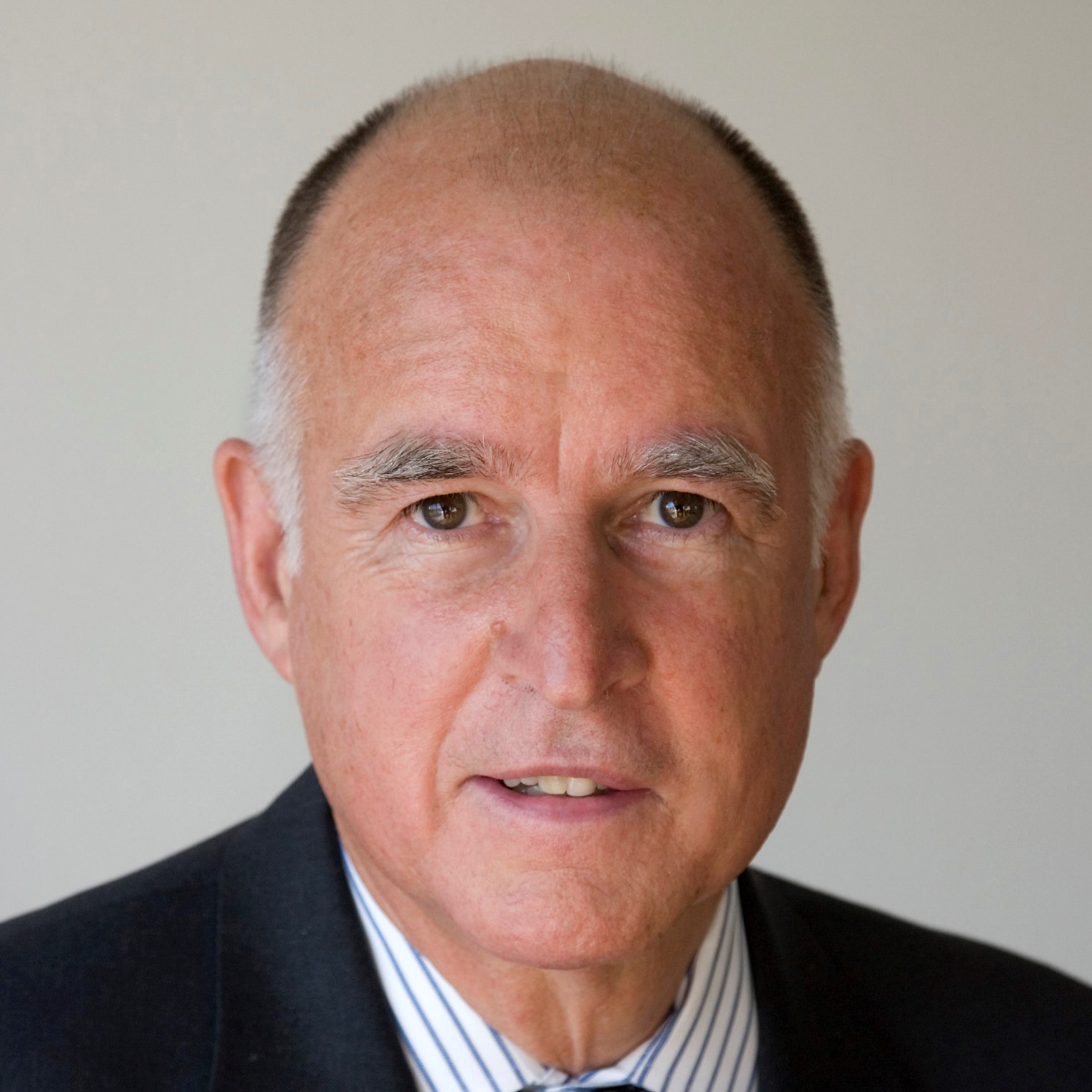
Governor Jerry Brown Thursday signed legislation to make California a “sanctuary’’ state, inviting possible retaliation from President Trump.
In signing the bill, Brown limited who state and local law enforcement agencies can hold, question and transfer at the request of federal immigration authorities in the nation’s largest state.
Twenty-seven percent of California residents are foreign-born, the highest percentage of any state. Some estimates put the number of illegal immigrants in California at 2.3 million, or about one-fifth of the estimated illegal immigrants in the United States
Other states, such as Connecticut, Colorado and New Mexico, call themselves sanctuary states. But Brown’s decision to sign the measure, as well as writing a signing measure in support of the measure that takes effect in January, ratchets up the possibility of a confrontation with the federal government. The measure has been criticized by U.S. Attorney General Jeff Sessions, who called the legislation “unconscionable.”
[nativounit]
In his message, Brown said the bill, titled the California Values Act, states that local authorities will not ask about immigration status during routine interactions. It also bans unconstitutional detainer requests and prohibits the commandeering of local officials to do the work of immigration agents.
“These are uncertain times for undocumented Californians and their families,” Brown wrote in his message, “and this bill strikes a balance that will protect public safety, while bringing a measure of comfort to those families who are now living in fear every day.”
Federal immigration authorities will still be able to work with state corrections officials and to enter county jails to question immigrants.
Sanctuaries have been battling the administration over its attempts to cut federal grant funding from “sanctuary jurisdictions” that limit how local enforcement agencies can interact with immigrants.
The issue moved to the forefront of the national debate over immigration five days after the president was sworn in when he signed an executive order to block federal funding to sanctuary cities.
On Thursday, Department of Justice spokesman Devin O’Malley declined to comment on the agency’s next move.
The term sanctuary has been used to describe locations — states, cities, counties and other jurisdictions — that limit cooperation between local law enforcement and federal agencies that enforce immigration laws.
Estimates for the number of sanctuary cities and counties vary from 165 to more than 600. There were already 35 sanctuary cities in California before Brown signed the bill Thursday.
Trying to determine the number of sanctuary cities is tricky, a problem the Department of Homeland Security encountered earlier this year. The federal agency tried to create a list of sanctuary cities in an effort to target those municipalities it believed were not cooperating with federal authorities to deport undocumented immigrants. The DHS suspended its sanctuary city report in April after some jurisdictions objected when they were included on the list.
Sanctuary opponents claim these jurisdictions allow criminals among undocumented immigrants to go free, leading to crimes that could have been prevented if the undocumented immigrants had been deported. Opponents also say undocumented immigrants put financial burdens on towns and drive down wages.
Those who support sanctuary communities say they protect families from being broken up by deportations of undocumented immigrants. Supporters also maintain that deporting undocumented immigrants alienates legal immigrant communities.
The undocumented population includes those who entered the country legally but overstayed the terms of their temporary visit. Being illegally present in the United States has always been a civil, not criminal, violation of the Immigration and Nationality Act.
[wallst_email_signup]











 Top Gaining Stocks
 Top Losing Stocks