


It has been undeniable that the rise in interest rates, and more importantly the expected continued rise in rates ahead, has been creating a serious overhang in the financial markets. By some counts it is even more important than the current trade spat and tariff disputes with China. In the world of “nothing lasts forever,” it seems the Federal Reserve Chair Jerome Powell is finally blinking in his communications to the public regarding the pace and determination of future rate hikes.
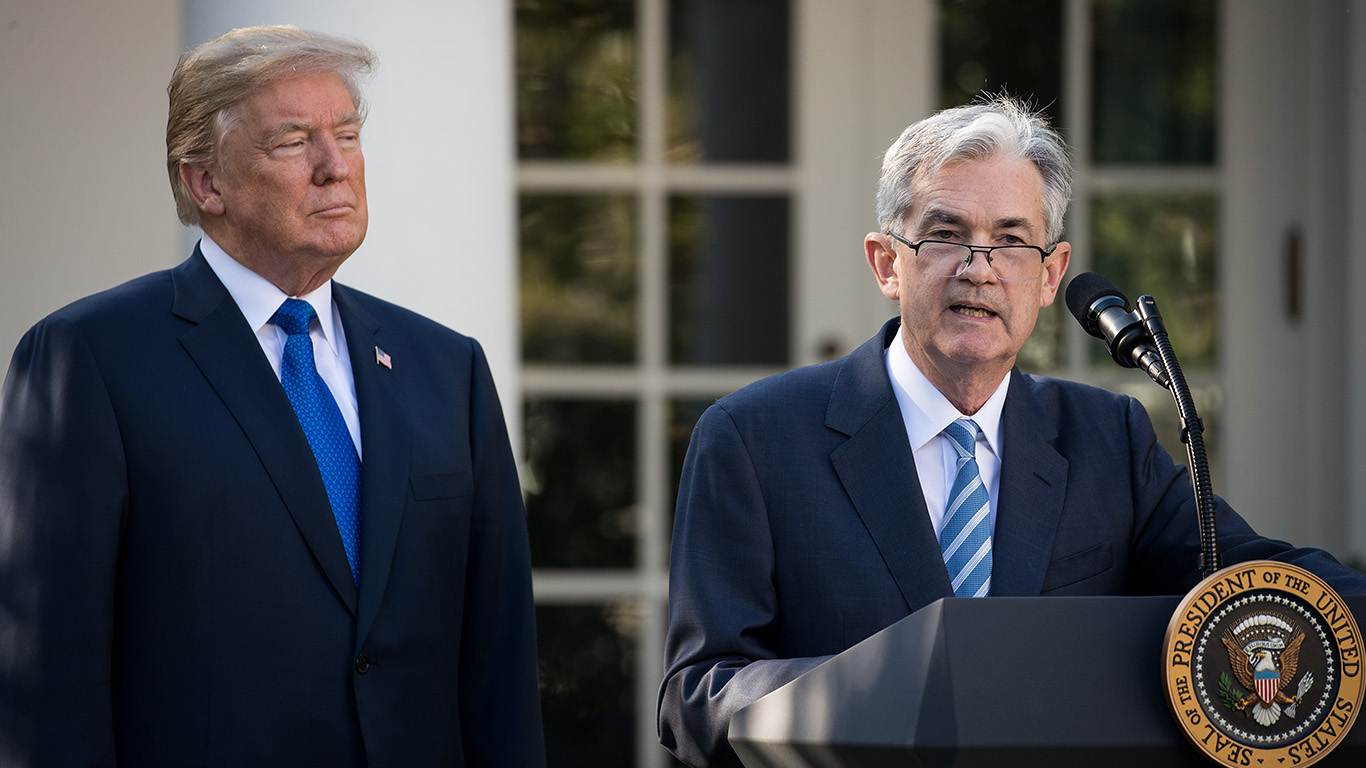
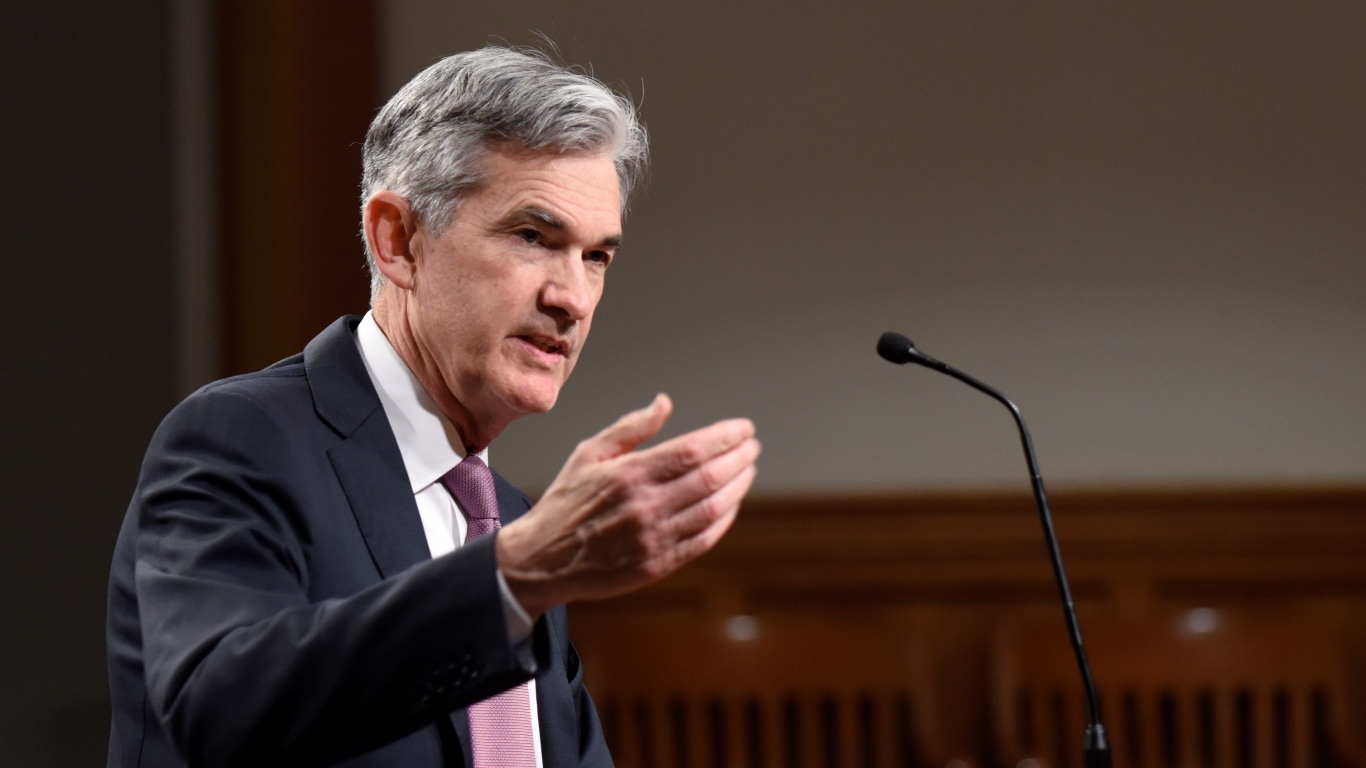
Powell was speaking at The Economic Club of New York on Wednesday, November 28 and his speech was titled “The Federal Reserve’s Framework for Monitoring Financial Stability.” That “financial stability” always has been considered a third mandate for the Federal Reserve, but this speech is generally signaling that the Fed might as well have a formal third mandate. After all, without financial stability there may be no room for full employment and stable prices.
For the record, Powell had previously given a nearly softer tone on the outlook of future rate hikes over the past two weeks. Still, the financial markets have faced a more hawkish Federal Reserve than has been seen in a decade. And President Trump has not been shy about expressing displeasure with how aggressive the Fed’s rate hikes have been.
In the notion of “financial stability,” this almost always has been considered as a third mandate for the Fed on top of fostering a climate for stable prices and full employment. With unemployment under 4% and inflation running closer to 2%, that dual mandate has been a victory. And recent economic readings have signaled slower growth, and the recent drop in oil from $75 to almost $50 has tempered some of the greater inflation fears that trade wars and other issues had stoked.
[nativounit]
Powell’s speech has many great historical and market references, but 24/7 Wall St. has taken out a few of the keynote quotes so that readers can get to the heart of the matter. After all, the equity markets were surging after Powell’s speech was released.
These portions of Powell’s speech are what is helping the stock market rally:
Interest rates are still low by historical standards, and they remain just below the broad range of estimates of the level that would be neutral for the economy‑‑that is, neither speeding up nor slowing down growth. My FOMC colleagues and I, as well as many private-sector economists, are forecasting continued solid growth, low unemployment, and inflation near 2 percent.
Our gradual pace of raising interest rates has been an exercise in balancing risks. We know that moving too fast would risk shortening the expansion. We also know that moving too slowly–keeping interest rates too low for too long–could risk other distortions in the form of higher inflation or destabilizing financial imbalances.
We also know that the economic effects of our gradual rate increases are uncertain, and may take a year or more to be fully realized. While FOMC participants’ projections are based on our best assessments of the outlook, there is no preset policy path.
We will be paying very close attention to what incoming economic and financial data are telling us. As always, our decisions on monetary policy will be designed to keep the economy on track in light of the changing outlook for jobs and inflation.
Under the dual mandate, jobs and inflation are the Fed’s meat and potatoes. In the rest of my comments, I will focus on financial stability–a topic that has always been on the menu, but that, since the crisis, has become a more integral part of the meal.
Enough said. Here is how the financial markets were looking as of about 12:30 Eastern Time on Wednesday:
- S&P 500 up 37.95 at 2,720.12
- Dow Jones industrials up 430 points at 25,179
- Nasdaq up 125 points at 7,207
- Crude oil up 23 cents at $51.79 per barrel
- 10-year Treasury yield 3.05%, down from 3.07% ahead of the speech
[recirclink id=507570]
[wallst_email_signup]





 Top Gaining Stocks
 Top Losing Stocks