


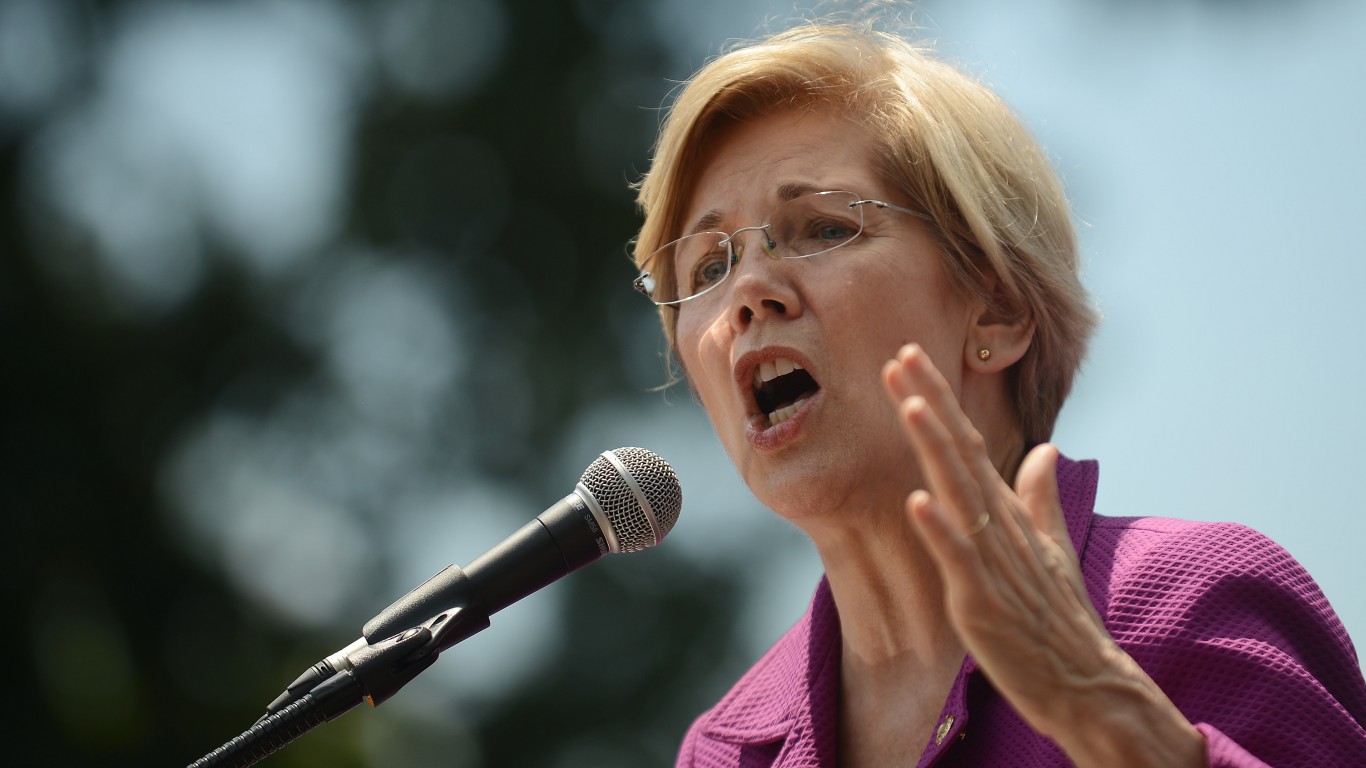
When one of the most influential money managers on Wall Street recently opined that the stock market and the economy would suffer big-time if Senator Elizabeth Warren is elected U.S. president, more than a few heads were turned. While Wall Street has almost always played the pass line and the no-pass line when it comes to politics, this was a pretty bold statement.
Leon Cooperman, who is the billionaire hedge fund manager from Omega Advisors, left no doubt recently about his personal thoughts on Warren. Last week, he said that she could harm the economy and the stock market. Warren is one of the many candidates from the Democratic Party vying for the presidential nomination in 2020.
During the Delivering Alpha Conference, Cooperman said, “They won’t open the stock market if Elizabeth Warren is the next president.” Citing the potential for higher taxes and regulations, many on Wall Street and Main Street are concerned that if a politician like Warren is elected in 2020, that would signal a return to the kind of policies that President Obama pursued for eight years.
The gross domestic product figures and unemployment have seen huge improvement under President Trump’s leadership. Black and Hispanic unemployment are at the lowest levels in years, and there are still 1.4 million more jobs available than unemployed people as of early August.
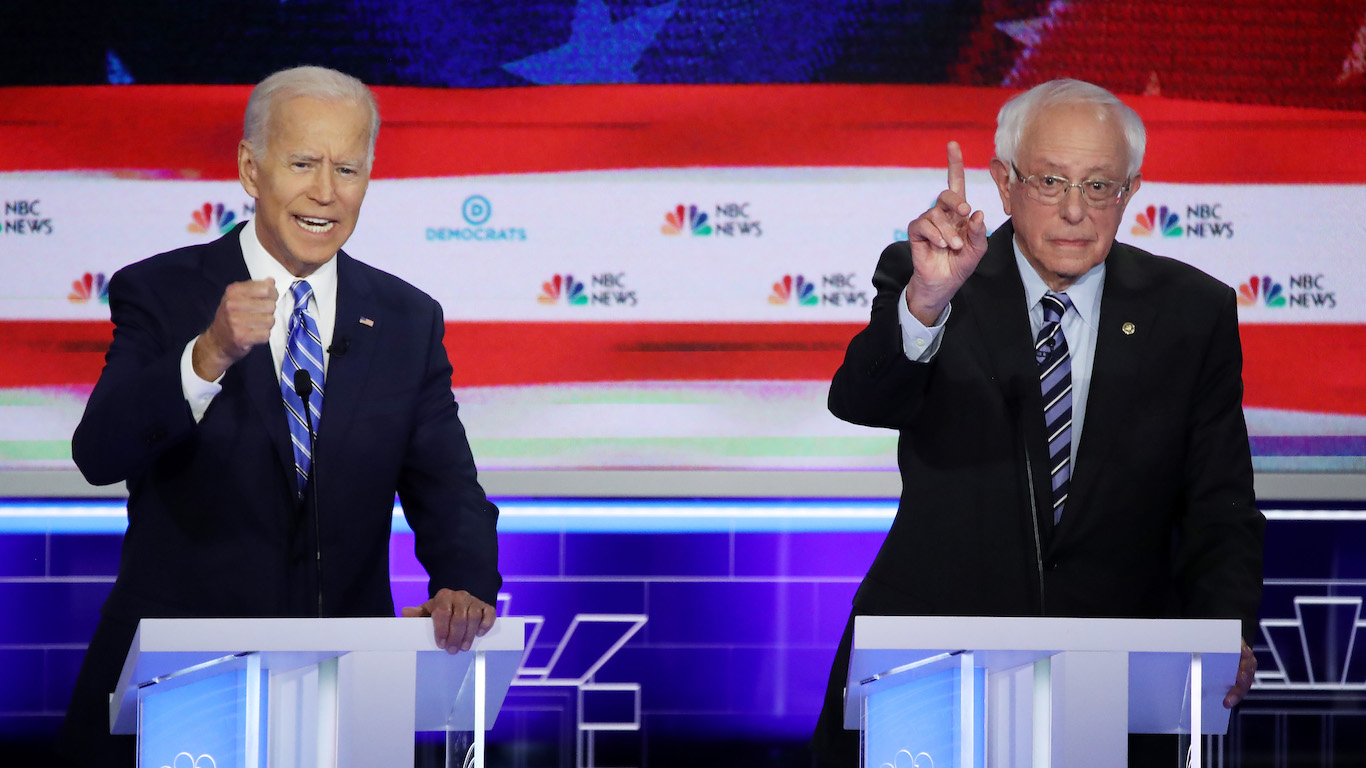
Warren, who has proposed a wealth tax on assets above $50 million, has been climbing the polls in the packed Democratic presidential field, trailing only former Vice President Joe Biden in the latest NBC/WSJ tally, and recent polls suggest she actually was leading in Iowa.
[nativounit]
So is Cooperman right in his assertion, or is it just political hyperbole and rhetoric? Some would suggest that the initial reaction could be dramatic and the stock market could get hit pretty hard. The night President Trump was elected, the futures market went on a huge roller-coaster ride. At one point, it traded down over 900 points.
The main reason for the massive decline on election night in 2016 was that pretty much all the media and the pundits were convinced that Hillary Clinton would win. The sheer shock of President Trump winning was enough to spike the volatility, and he ran as a centrist conservative for the most part.
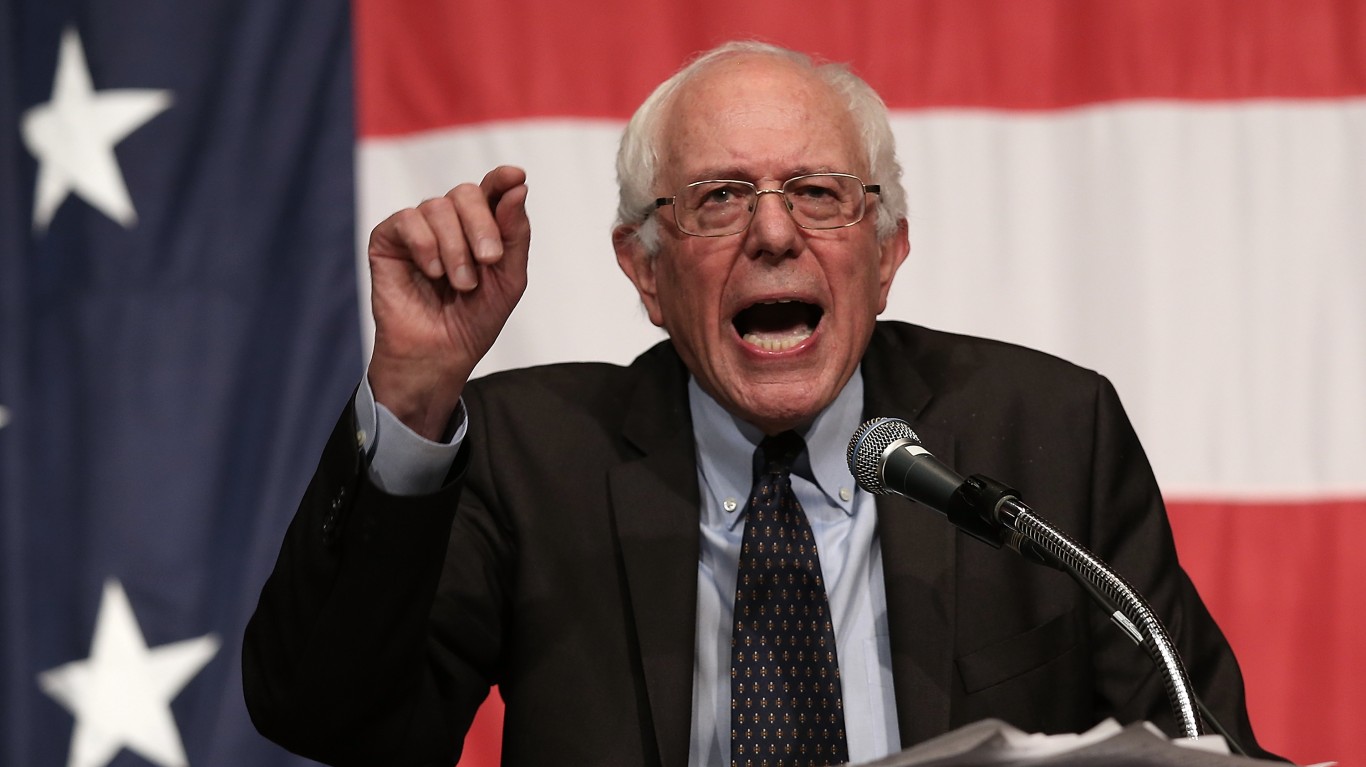
It should be noted that while Warren and many others in the crowded Democratic field have proposed some very progressive ideas, the reality is that almost all candidates, regardless of party, tend to drift back to the center after an election. Without control of the House and the Senate, backing for some of the more outlandish ideas would be all but impossible.
One thing is for sure: Whoever ends up facing the president next year, you can bet that it will be a wall-to-wall, nonstop, 24/7/365 political battle royal and that all of us will be exhausted by the time the actual election rolls around. Given the huge political chasm in America these days, it is pretty much a given that the fight will be a bitter one, and regardless of who actually wins, the divide probably will become even more pronounced.
[recirclink id=579645]
[wallst_email_signup]






 Top Gaining Stocks
 Top Losing Stocks