


The COVID-19 outbreak in the United States has led to something most Americans have never seen: empty shelves in their grocery stores. Stay-at-home orders have led to more consumer purchases and that in turn has led to the empty shelves.
That is not to say that, for the most part, there isn’t still plenty of food. But disruption to the supply chain has meant getting food to the stores in the quantity demanded has been difficult. And more disruption is on its way as meat-packing plants have been hard-hit by COVID-19 shutdowns.
While all this may be unprecedented in the United States, some 265 million people around the world may suffer acute hunger by the end of this year due to the COVID-19 pandemic. The estimate comes from the World Food Programme (WFP), in connection with the publication of its Global Report on Food Crises 2020.
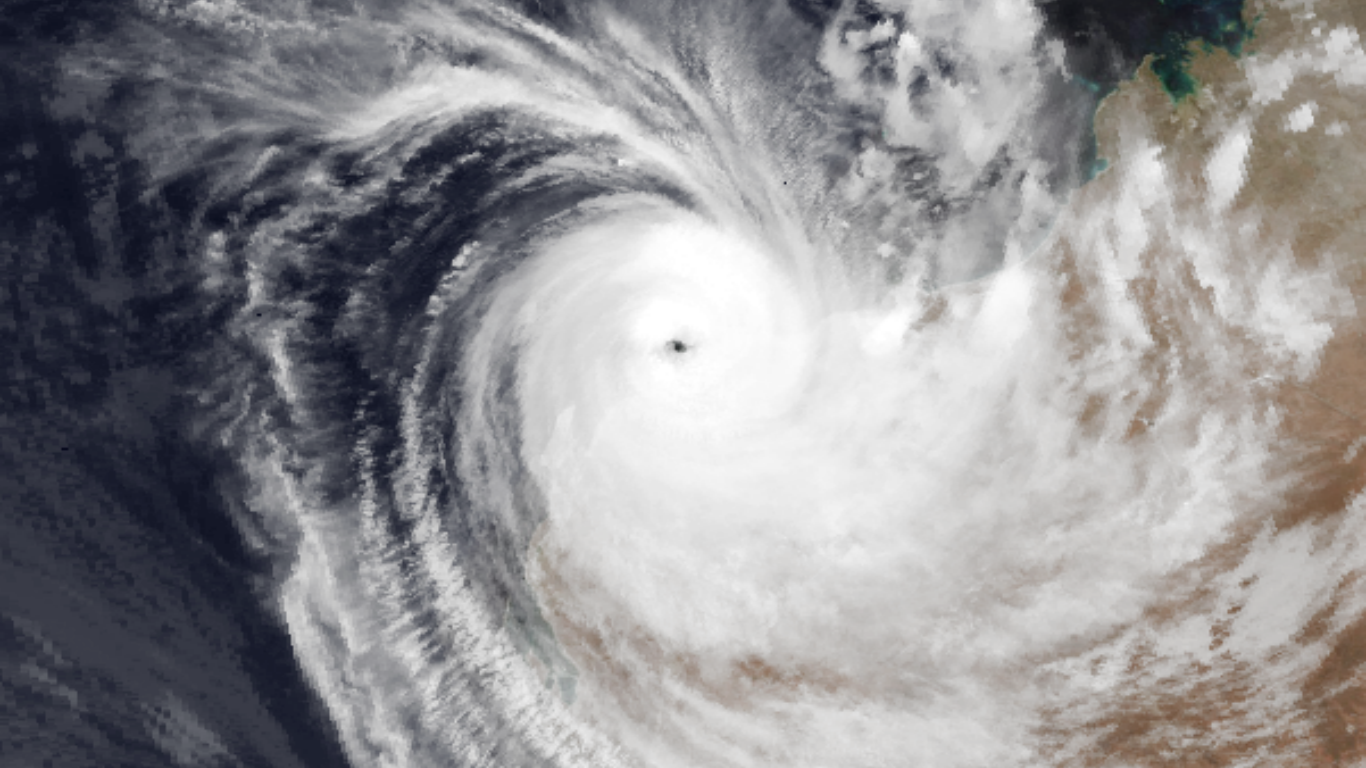
The report, which was prepared in the first two months of the year, estimated that 135 million people in 55 countries are in danger of starvation as a result of conflict, climate change and economic crises. Adding in the impact from the coronavirus outbreak nearly doubles the number of people who face acute hunger by the end of this year.
WFP chief economist Arif Husain warned: “These new projections show the scale of the catastrophe we are facing. We must make sure that tens of millions of people already on the verge of starvation do not succumb to this virus or to its economic consequences in terms of loss of jobs and incomes.”
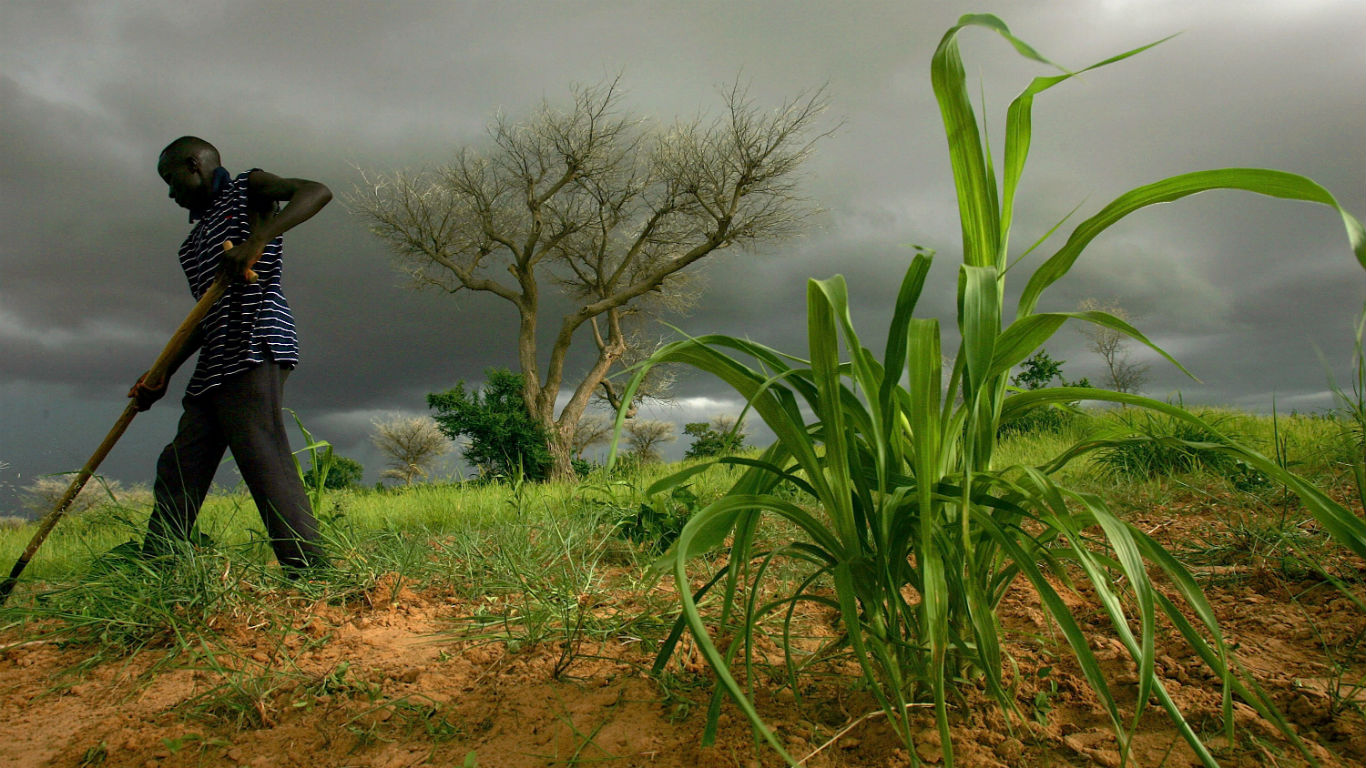
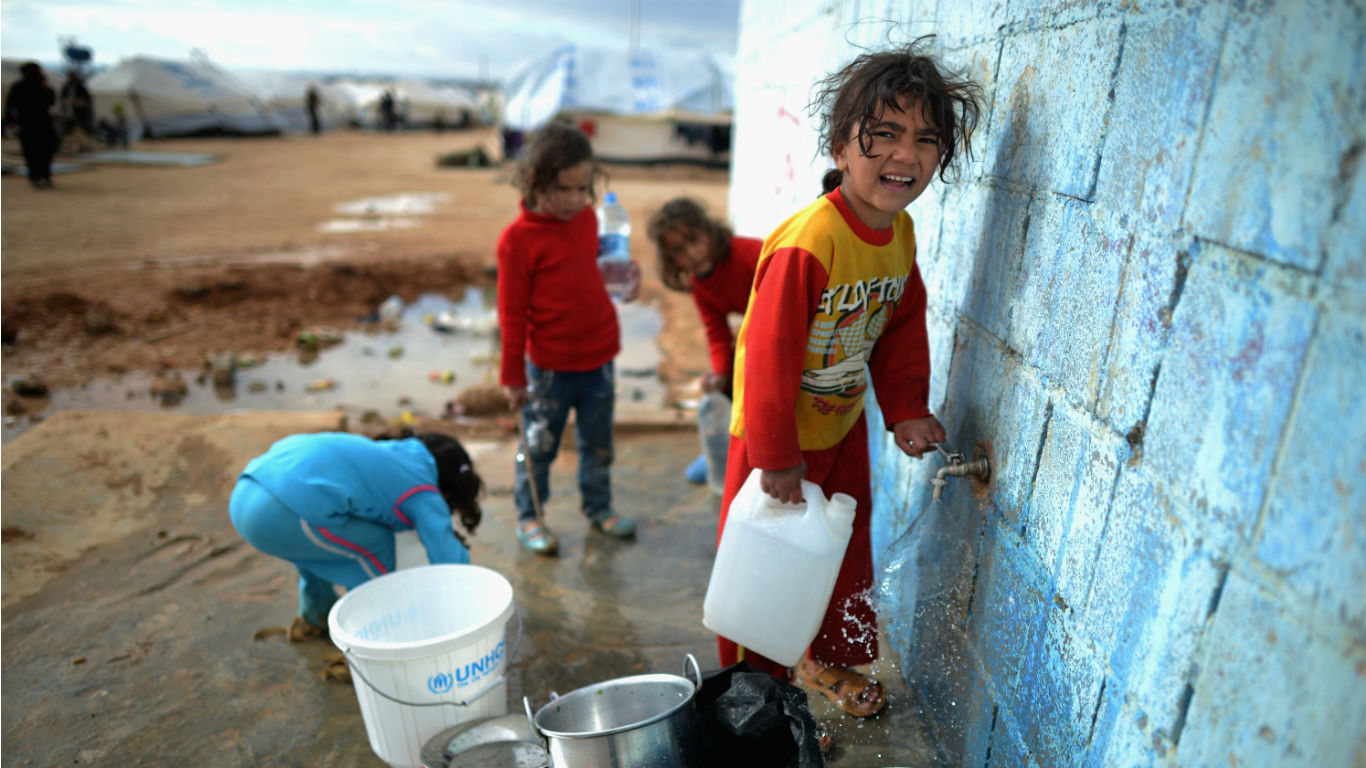
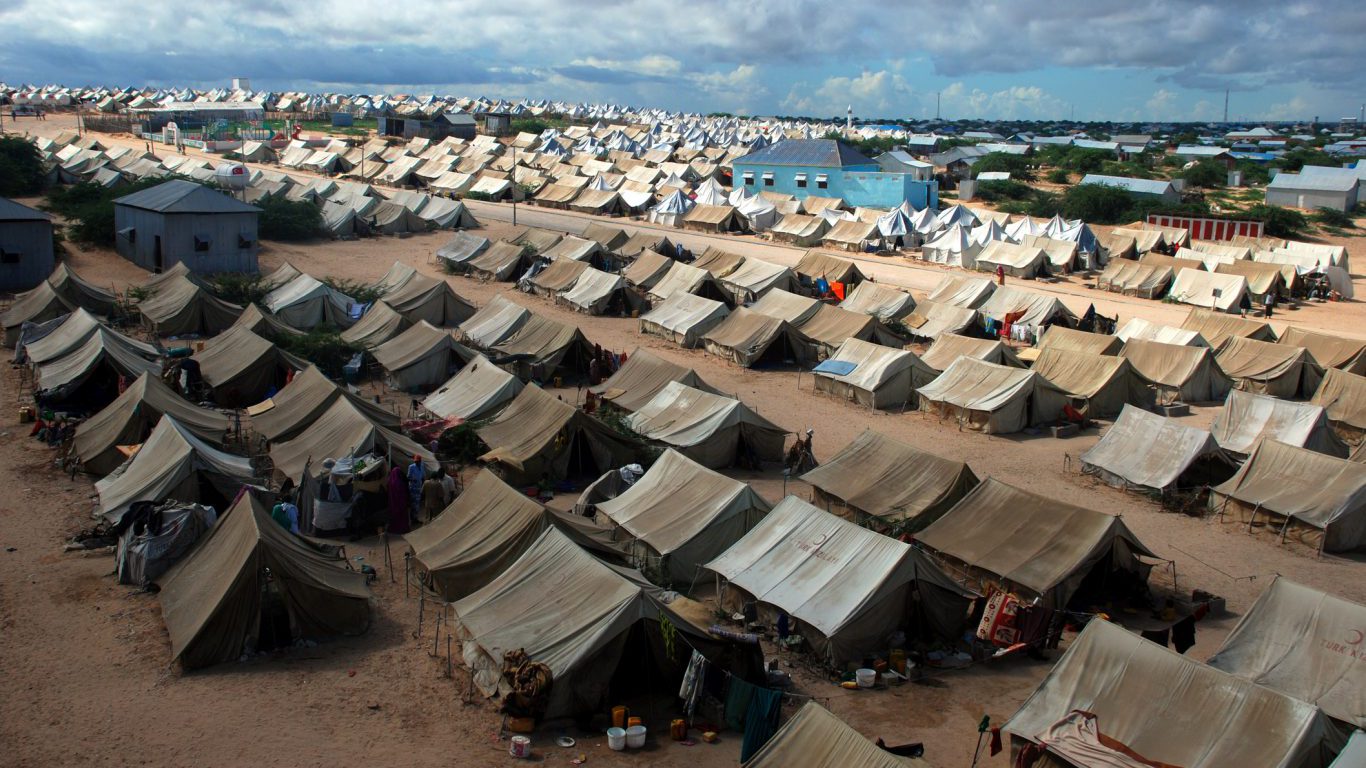
People living in conflict zones like northeastern Nigeria, South Sudan, Syria and Yemen are of particular concern. Even without COVID-19, “their lives were hanging by a thread,” according to Husain. Poor nutrition results in weak immunity, leaving people (especially children) living in crowded refugee camps extremely vulnerable to a contagion like COVID-19.
The supply chain problems seen in the United States are magnified when raised to a global scale. Husain explained, “It’s critical that commercial trade continues to flow regardless of anything else taking place around it. Because if that stops, the humanitarian work cannot happen. Quite simply, millions of people’s lives depend on the flow of trade, and the impact of disruption on people’s food security is hugely concerning. … Hoarding food supplies or putting up trade barriers does not work. Starving your neighbour is not good policy.”
As food shortages begin to have an effect on food-insecure people in the urban areas of poor countries, the urban middle class and other wage earners become suddenly vulnerable to poverty and hunger. Husain noted: “The scenario in poor countries is too gruesome to comprehend. We need to get ready for the second and the third wave of this disease. People are losing their livelihoods and their incomes and, at the same time, supply chains are disrupted. This translates into a double whammy which has both the breadth and the depth of hunger increasing around the world.”
David Beasley, executive director of the WFP, told The Guardian that 30 countries in the developing world could have widespread famine. In 10 of those countries, more than 1 million people are already “on the brink of starvation.”
“This is truly more than just a pandemic—it is creating a hunger pandemic,” said Beasley. The COVID-19 pandemic is “a perfect storm. We are looking at widespread famines of biblical proportions.”








 Top Gaining Stocks
 Top Losing Stocks