



By David Callaway, Callaway Climate Insights
I took my first cross-country plane ride since the pandemic started over the weekend; an almost-full United flight to Newark from San Francisco. Aside from the masks and the sanitizing wipes, it was pretty much the same as I remembered, and the novelty wore off somewhere over Nevada.
But the five-hour flight gave me time to ponder the existential threat climate changes poses to air transportation. Not just where the race for sustainable jet fuel will lead the big players, and whether flight shaming will grow out of Europe into a bigger thing — but to the very real threat to our airports themselves.
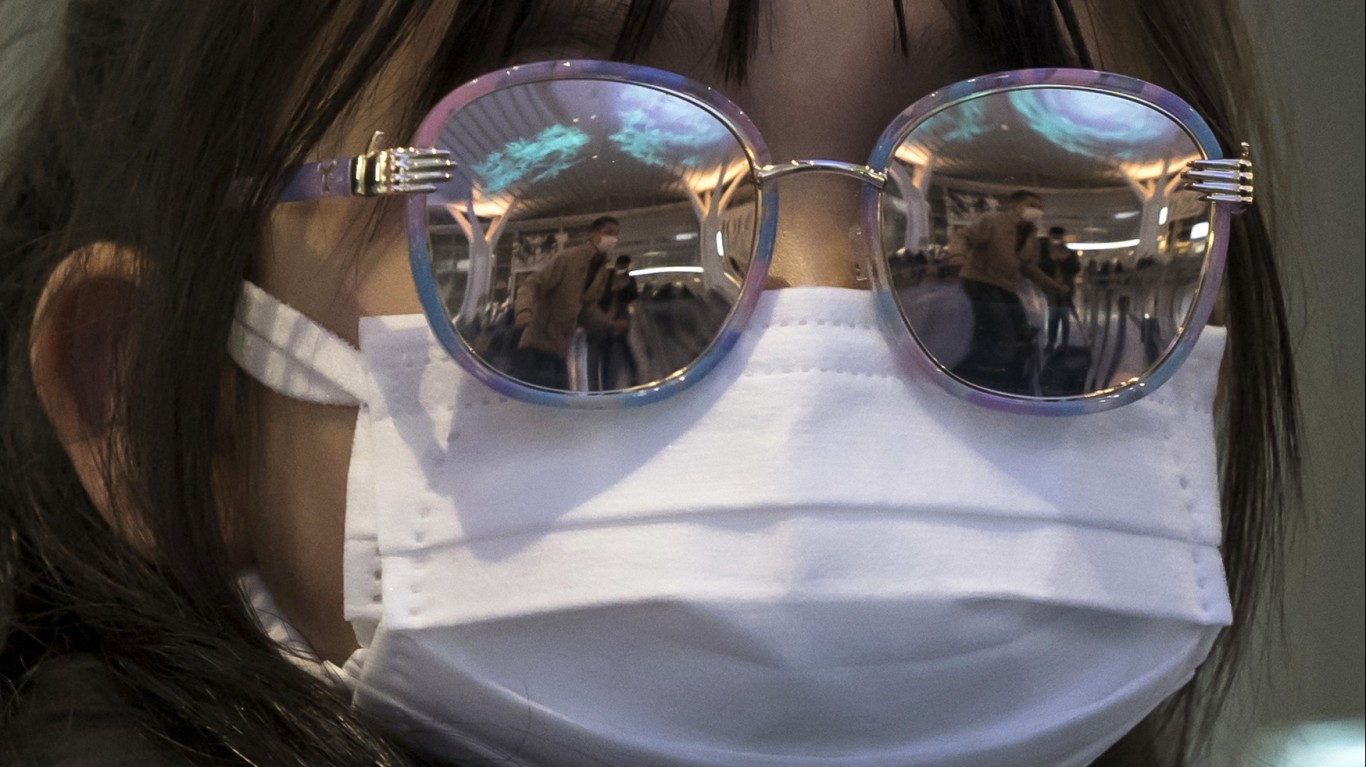
A new study out of the University of Newcastle in the UK estimates that some 350 airports face flood risk by the end of the century, even if the world does meet the Paris Accord climate goals. If we don’t, then more than 600 face the worst. Flood protections at the world’s busiest and largest airports will be enhanced by then, of course, but the estimated tab will be $57 billion. Airports in Asia, particularly Bangkok, Shanghai (above) and in Osaka, are under the most immediate threat.
But the biggest disruption will be in airports on islands and in small countries that can’t afford sophisticated defenses. They represent as much as 20% of current air travel routes, and their elimination will affect everything from tourism to medical supplies and food deliveries. And that’s to say nothing of the changes in wind speed, temperature, and devastating future weather events that will affect how airports will need to operate.
“Sea level rise poses a systemic risk to global passenger and freight movements,” the study said.
In short, it will be worse than Covid for the airlines.
But at a time when building new airports is becoming less popular given their emissions, the prospect of flight migration, new travel and supply routes and the building of flood defenses also presents an enormous opportunity for investors as the old, industrial-age ways of travel give way to a new age.
More insights below. . . .
Monday’s insights: BlackRock’s Exxon vote, and a geothermal play for UK coal mines
. . . . Was Tom Joad the original climate migrant? The protagonist in John Steinbeck’s “The Grapes of Wrath” laid bare the trials and tribulations of migrants moving to new parts, in his case from the dust bowls of Oklahoma. Now scientists are considering whether rising heat and drought in the American West are creating conditions for dust events not seen in almost 100 years. This time California might not be the answer. Read more here. . . .
. . . . From the department of stranded assets: the UK is experimenting with trying to draw thermal energy from abandoned coal mines. If successful, the process of drawing thermal heat from the water that fills the empty mines could be a remedy not just for the coal-heavy UK, but also Poland, Germany, even West Virginia. Read more here. . . .
. . . . Now that proxy adviser Institutional Shareholder Services has thrown its vote recommendation over the weekend to the activist moving to change the board of ExxonMobil (XOM), does BlackRock (BLK) have a choice in how it votes next week in the biggest shareholder climate resolution of the year? The money manager, which has staked the high ground for itself on advancing climate resolutions, essentially risks all that good favor if it votes for management. Same for Vanguard and State Street (STT), two of Exxon’s other largest shareholders, who have yet to reveal their intentions. Most institutional shareholders routinely follow ISS recommendations, so it’s hard to see this moving in Exxon’s favor. The only question now is whether the voting for activist Engine No. 1’s slate of directors will top 81% of votes received by a climate resolution at the DuPont (DD) annual meeting last month. Place your bets. . . .
Editor’s picks: New lithium battery can be charged 10,000 times
. . . . Big wave surfing and climate change: Hear first-hand accounts from big wave surfers about how climate change is making the waves more intense. KQED, a Public Broadcasting Service (PBS) member television station in San Francisco, is hosting a special event Wednesday at 6 p.m. Pacific. Guests include Bianca Valenti, one of the best big wave surfers in the world, and Grant Washburn, a filmmaker and surfer. Get more information about the event and sign up for free. . . .
Editor’s picks:
- Harvard: New lithium battery can be recharged 10,000 times
- Hyundai invests $7 billion to start U.S. EV production
- Carbon-neutral, plant-based ‘clean caffeine’













 Top Gaining Stocks
 Top Losing Stocks