


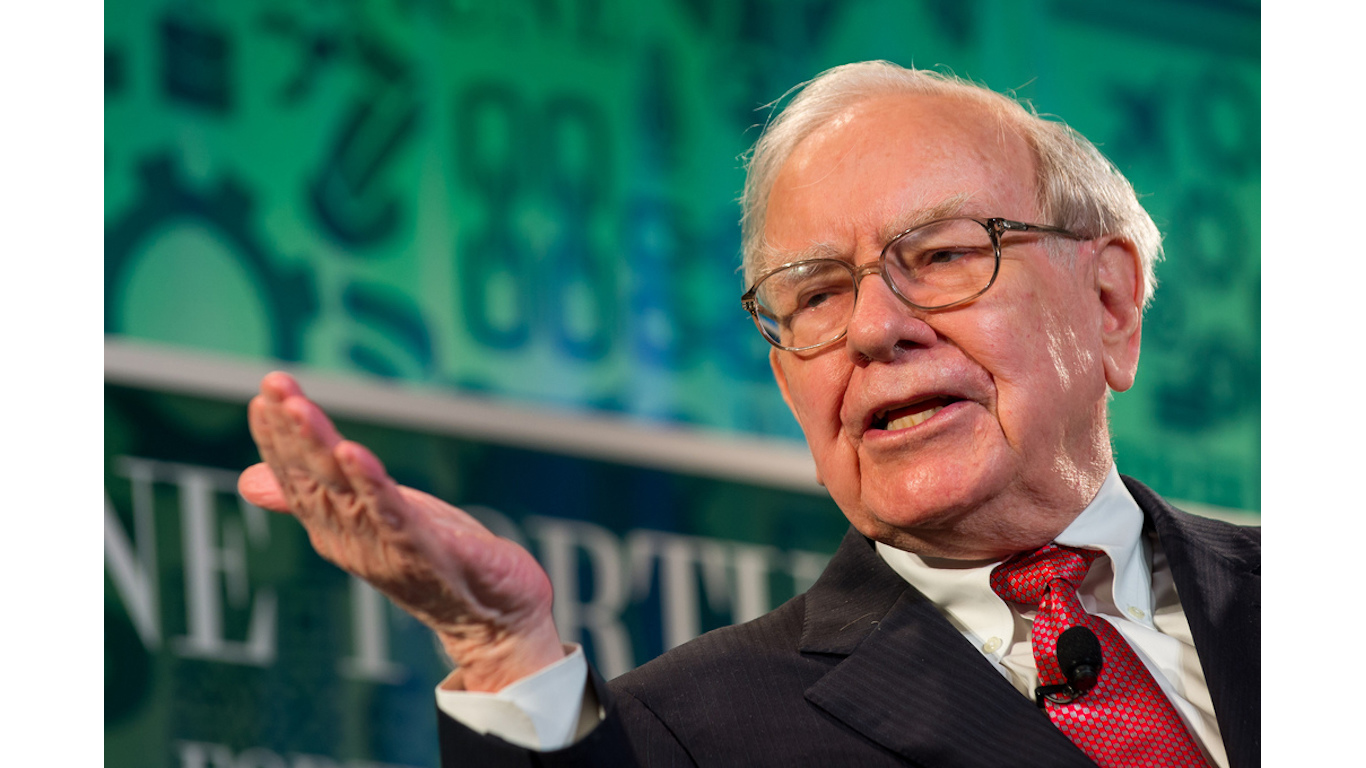
The United States billionaire count has reached almost 800 according to a recent article at Vox/Recode. These Americans control $3.4 trillion in total assets.
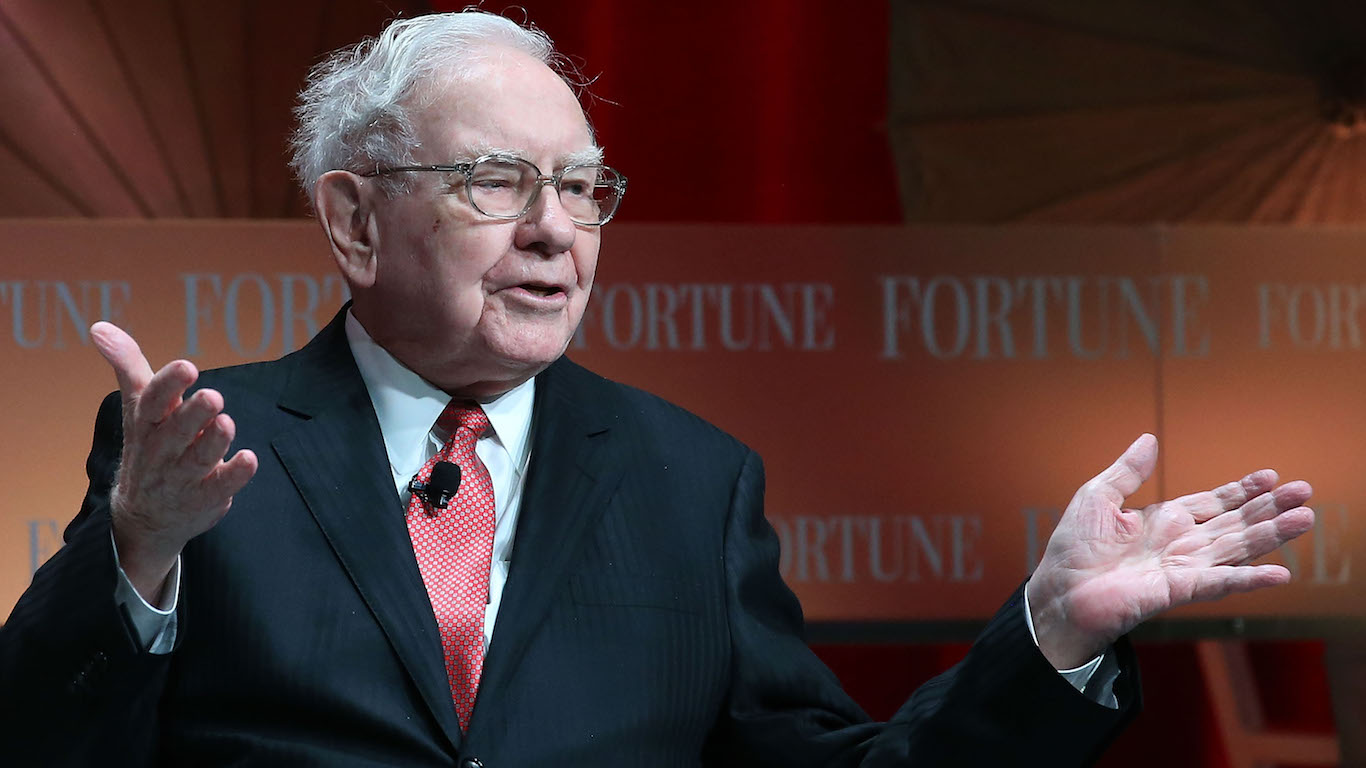
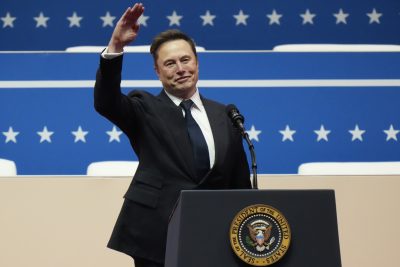
Three of those nearly 800 billionaires live in Nebraska, and one, Warren Buffett, has a net worth of around $108 billion. That’s good enough to rank fifth on the list of American billionaires, behind Jeff Bezos ($193 billion), Elon Musk ($153 billion), Bill Gates ($127 billion) and Mark Zuckerberg ($120 billion), according to Forbes’s latest listing. France’s Bernard Arnault tops the list with a net worth of $195 billion.
Should anyone be able to amass that kind of fortune? Even a so-called good billionaire, like Buffett, who intends to give away most of his fortune. In an op-ed in Sunday’s New York Times, Anand Giridharadas wrote, “Mr. Buffett is actually the most dangerous kind of billionaire we have. The worst billionaires are the Good Billionaires. The sort who make it seem like the problem is the distortion of the system when, in fact, the problem is the system.”
Giridharadas argues here, and in his 2018 book, “Winners Take All,” that the problem with billionaires is not their virtue level, it’s the “set of social arrangements that make it possible for anyone to gain and guard and keep so much wealth, even as millions of others lack for food, work, housing, health, connectivity, education, dignity and the occasion to pursue their happiness.”
[nativounit]
Buffett took a hit last week with the ProPublica report on how little he pays in taxes. That Buffett acknowledges the inequities of the U.S. tax system is old news. In Buffett’s pre-publication comments on the report, he wrote: “I believe the money will be of more use to society if disbursed philanthropically than if it is used to slightly reduce an ever-increasing U.S. debt.”
Giridharadas says of this: “In other words: I [Buffett] believe in higher income taxes on people like me, but I’m highly organized to avoid having income to report, and I don’t really believe in taxes because I think I should decide how these surplus resources are spent.”
[recirclink id=889166][wallst_email_signup]









 Top Gaining Stocks
 Top Losing Stocks