


During times of international conflict and economic tension, usually instigated by the United States, we hear our elected officials threaten the use of sanctions. But how exactly do they work, and how can people and whole countries get around them? And if they’re so easily avoided, why do we continue to use them?
We looked into the history of economic sanctions, particularly by the US, and how some countries, groups, and individuals have been able to get around them, either with US support or in spite of the US’s best efforts to enforce strict sanctions.
Background on Economic Sanctions
A depiction of U.S. sanctions.
Economic sanctions are sometimes called embargoes, and the terms are regularly used interchangeably. These are a variety of punishments or restrictions on the travel, activity, or interaction with certain people, organizations, and countries. They can range from travel restrictions on national leaders to trade embargoes on entire countries. Sanctions are used to coerce, compel, or pressure a country or individual to change its behavior or accept a certain list of demands.
Trade barriers, travel bans, arms embargoes, asset freezes, and restrictions on financial transactions are all examples of economic sanctions.
Whether or not sanctions are actually useful is the subject of ongoing debate, but experts and scholars generally agree that the more specific and targeted a sanction, the more effective and less damaging it is to innocent citizens. Nevertheless, the United States prefers to use broad sanctions like banning the importing of food to certain countries, with the expectation that the starvation and suffering of its people will convince leaders to accept U.S. demands.
Current U.S. Sanctions
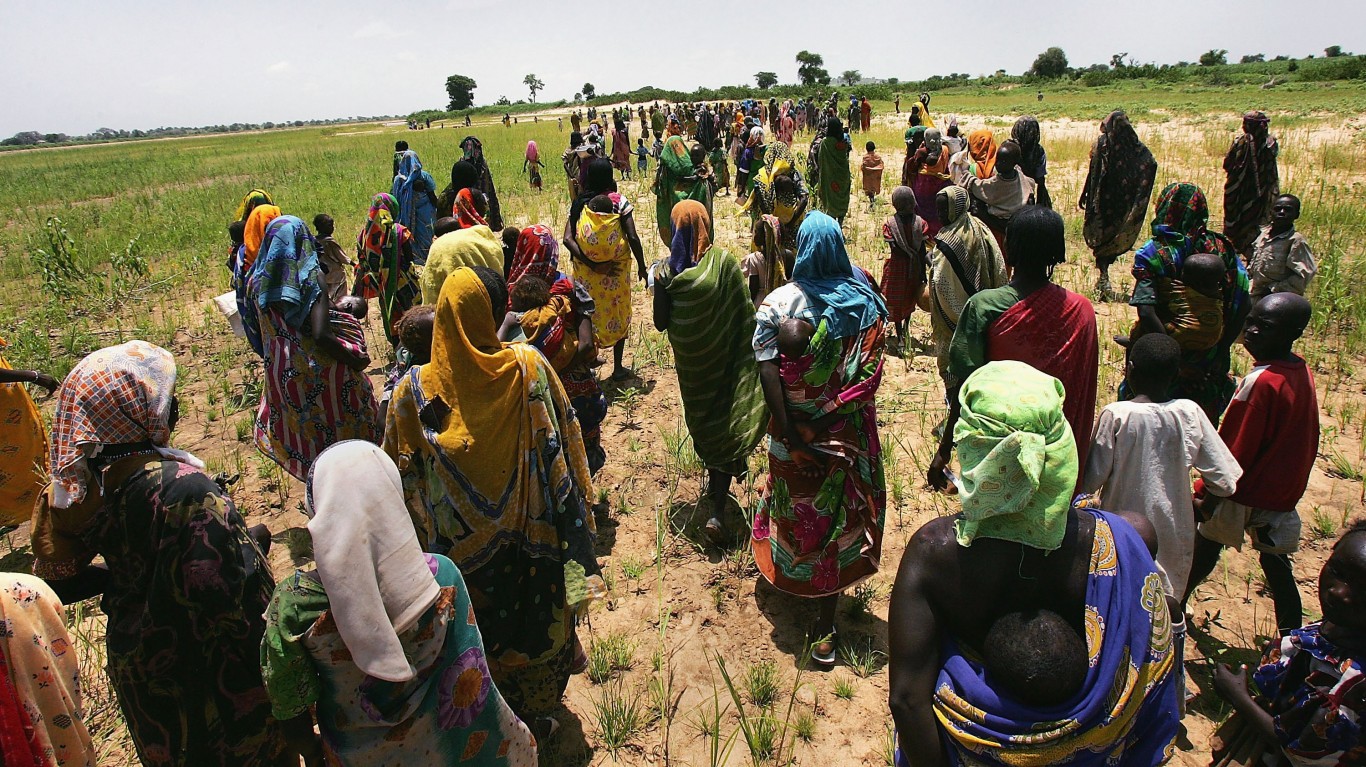
The impact of U.S. sanctions.
The United States currently has sanctions against Iran, Cuba, North Korea, Russia, parts of Ukraine, and Syria. It has imposed more than two-thirds of all the sanctions in the world since the 1990s and has imposed three times as many sanctions as any other country, targeting more than 20 countries, often without a good reason. Yet less than 20 of U.S. sanctions have achieved any part of their goals.
These sanctions usually fail the change the behavior of the target country, but limit the business that U.S.-based companies can conduct and always harm the poorest people in that country. The use of sanctions and secondary sanctions have driven a wedge between the U.S. and its allies because they are seen as an “expression of Washington’s preferences and whims”, and after the election of Donald Trump have been seen as arbitrary and hostile.
In the end, the benefits of a sanction do not outweigh the significant humanitarian costs.
The U.S. embargo on Cuba caused widespread malnutrition and shortages of clean water, medicine, and medical supplies. The Cato Institute said that the U.S. sanctions of Cuba are “a humanitarian catastrophe has been averted only because the Cuban government has maintained a high level of budgetary support for a health care system designed to deliver primary and preventative medicine to all its citizens.”
The U.S. sanctions on Venezuela have caused the deaths of more than 100,000 people because they no longer have access to healthcare equipment, facilities, or medicine.
During the U.S. sanction of Syria, an earthquake hit the country in 2023, but the U.S. prohibited any emergency supplies or responders from entering the country. It later claimed that Bashar al-Assad was preventing any humanitarian aid from entering the country, and later blamed the Syrian government for the catastrophe.
#1 Transferring Assets to Family
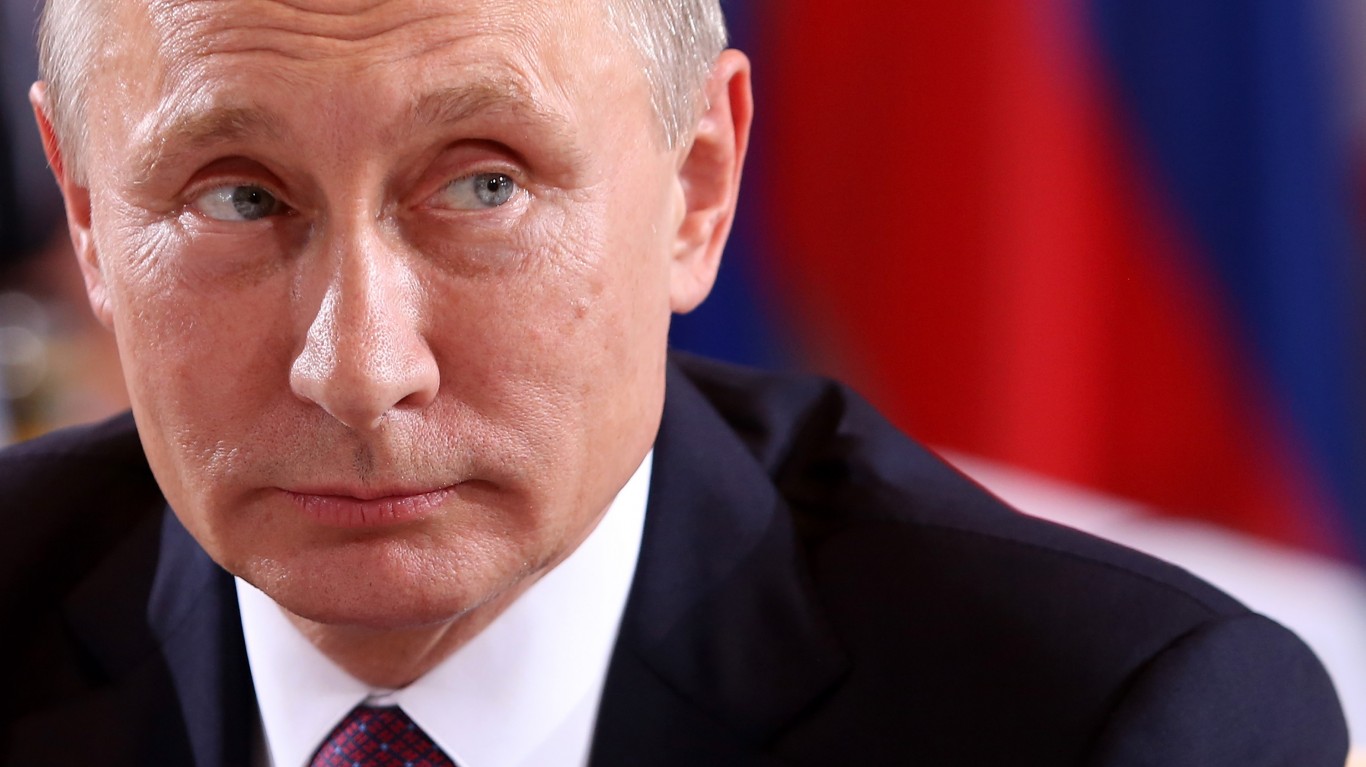
Vladimir Putin.
Targeted sanctions against a particular person can be easily avoided by simply transferring your assets to a family member. The true power of a sanction is the threat of violence from the imposing nation, and companies will be more likely to accept your business as a sanctioned person if you’re not the actual person they’re dealing with. They didn’t break the sanction because it’s your family managing your money.
#2 Using Third-Party Enablers
A depiction of U.S. sanctions.
This is an extension of the first method but includes asset managers and professionals with financial and economic contacts outside the country being targeted. This is useful if the sanction is targeted toward a particular person, not necessarily their finances or an institution, as someone with the power of attorney of the individual, or can accept instructions, can manage the money almost entirely independently.
#3 Exploiting Sanction Loopholes and Jurisdictions
A depiction of U.S. sanctions.
In order to be effective, sanctions have to be very specific about who and what they are targeting. This usually includes a person, company, product, where those products come from, what currency is prohibited, and more. Exploiting these specific restrictions can be a hassle, but allow countries and people to get around them.
Examples of Loopholes
A depiction of U.S. sanctions.
For example, if the U.S. bans a country from importing U.S. computers, that country can simply buy U.S.-made computers from Mexico. Or, a country can choose to import computer parts and simply assemble the finished product in their own country.
If a person is prohibited from trading using the U.S. dollar, that person can simply use a currency with similar purchasing power as the dollar.
#4 Working With Other Countries
A depiction of U.S. sanctions.
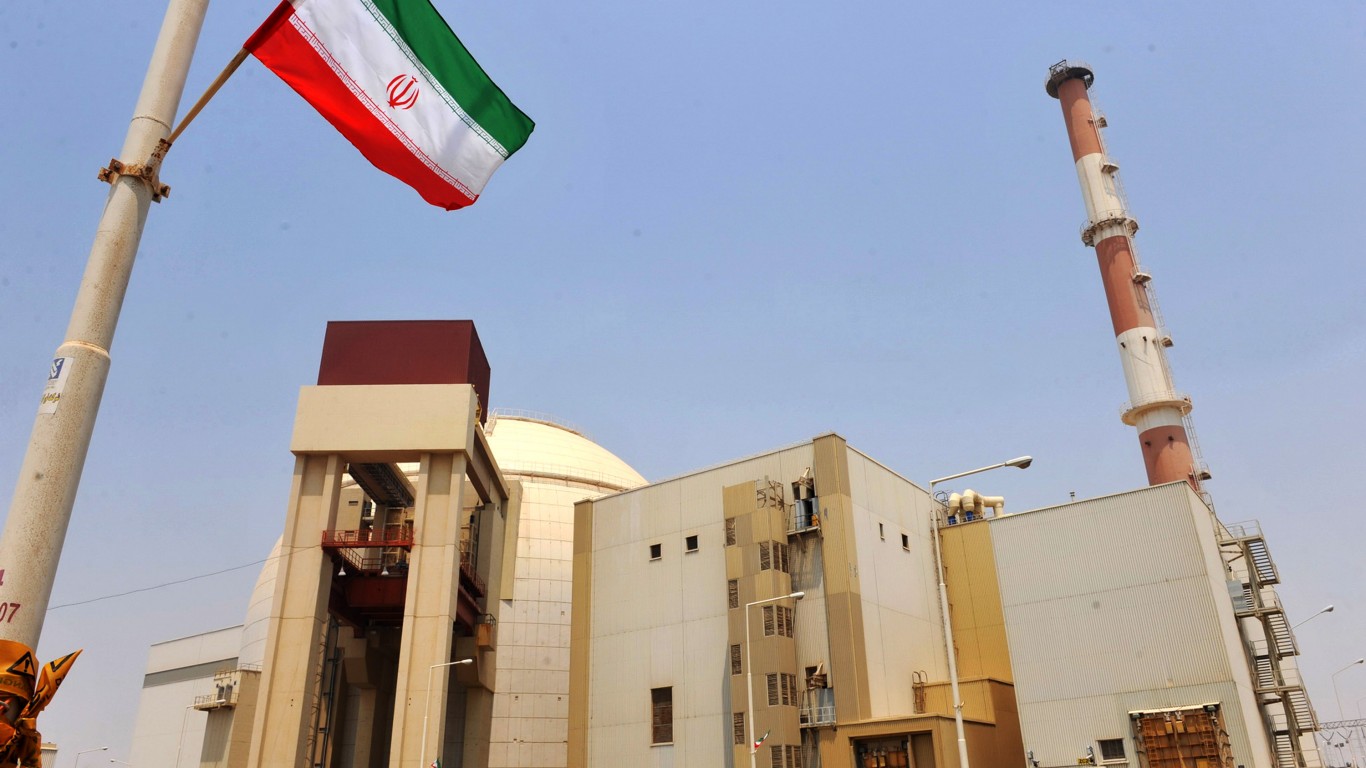
The U.S. uses sanctions to punish and coerce specific countries and rulers, but even with its hegemony over the world, it only has so much control over the behavior of other countries. If a country doesn’t particularly care about offending U.S. leaders, then it is free to import or export goods with a sanctioned country as much as it wants.
International Cooperation
A depiction of U.S. sanctions.
The U.S. doesn’t control the ports of other countries, or the markets within those countries, as much as it would like to. They are free to trade with whomever they like as much as they want to. In the past, this has resulted in military intervention from the U.S. or CIA destabilization, but the waning power of the U.S. in modern years means its sanction power has fallen as well.
#5 Smuggling
A photo of Iraqi boats.
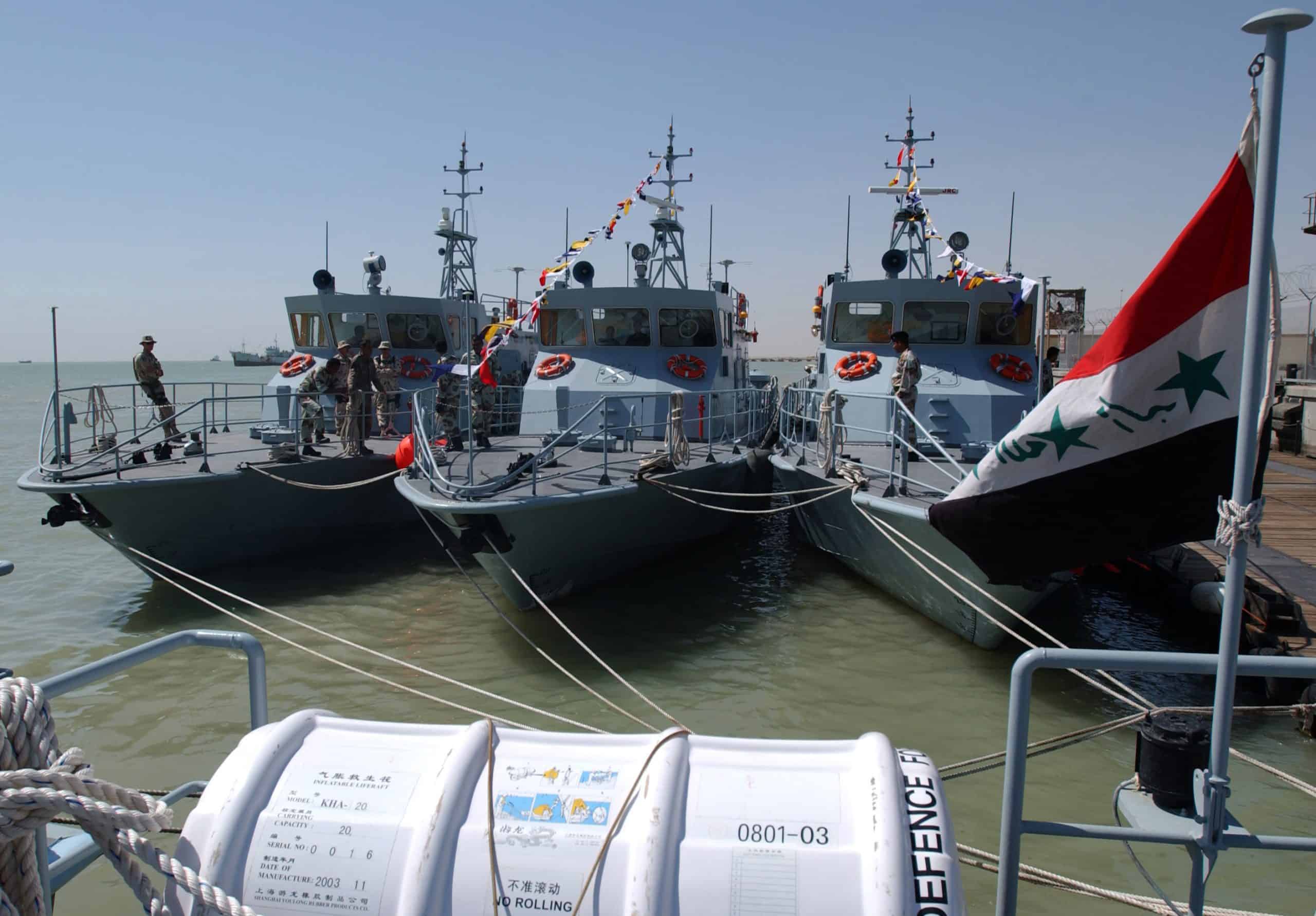
If countries are not willing to trade with the target country, there are always individuals and organizations who will be willing to make a large amount of money by smuggling goods in and out of a country. In the case of U.S. sanctions, this is usually food and medicine but it can be anything that the people in a country want to buy.
#6 Use Cryptocurrencies

A picture of Bitcoin.
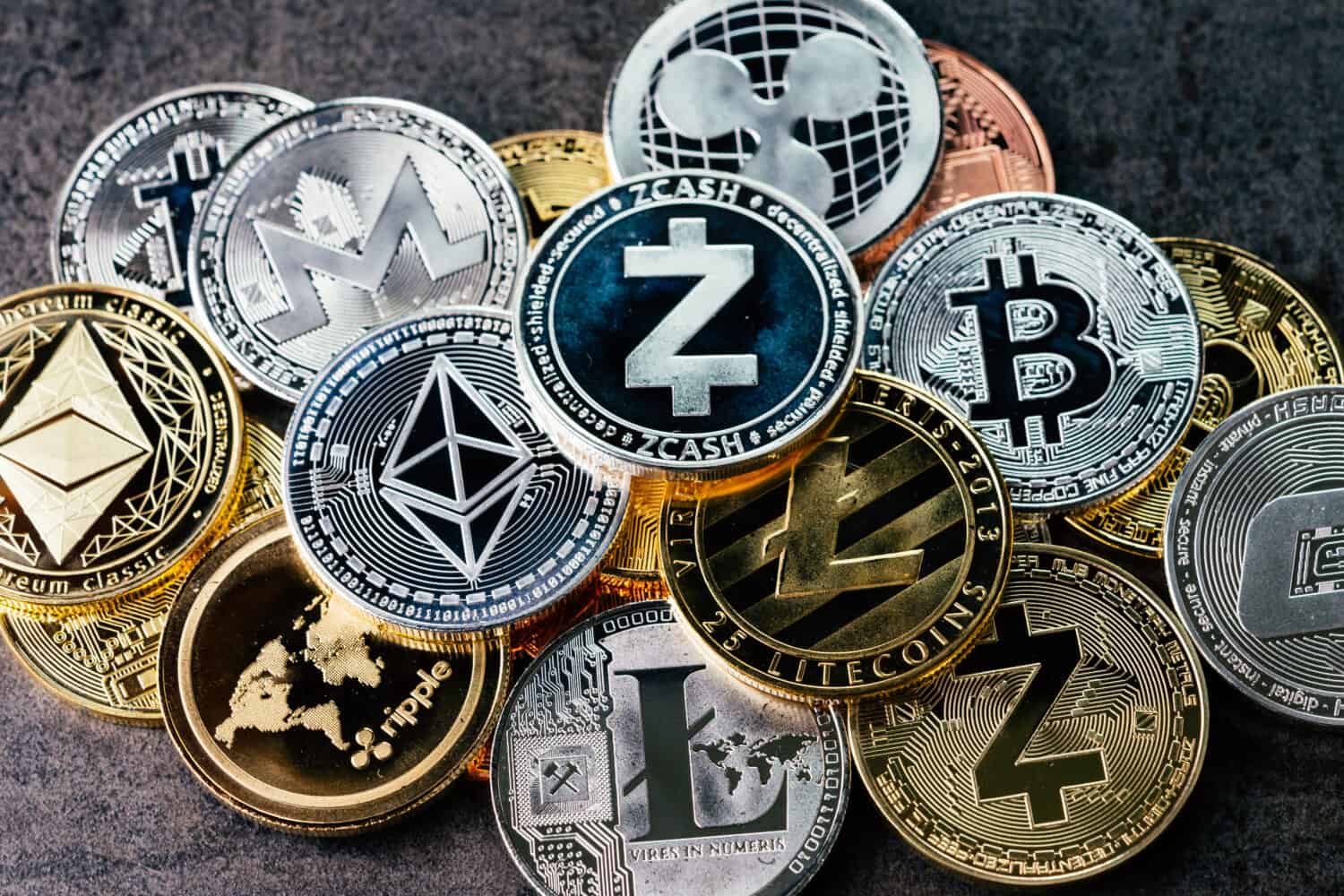
One of the reasons why cryptocurrencies and blockchain technology have become so popular so quickly is because it takes significant power away from the U.S. State Department when it comes to enforcing economic sanctions. Because cryptocurrencies and blockchain transactions are typically anonymous, there is no (known) way for the U.S. government to track those transactions.
Cryptocurrencies Continued
A photo of cryptocurrencies.
While there are reasonable objections to the widespread use and adoption of cryptocurrency and blockchain technology by everyday consumers and companies, the ability of countries to skirt U.S. sanctions by using them is one of the strongest reasons to advocate for their continued use and development.
#7 Using Alternative Transactions
A depiction of international trade.
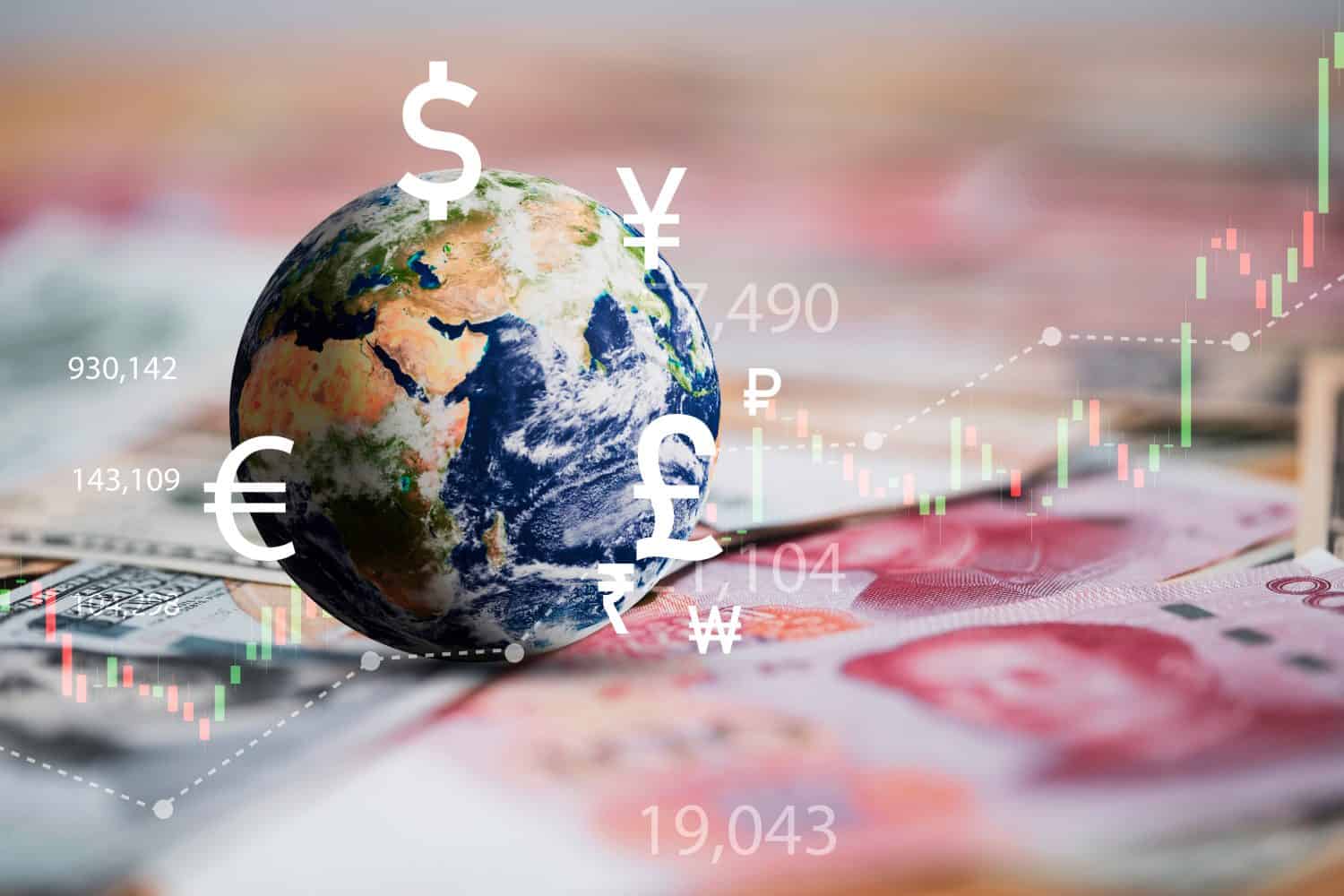
This is a fancy way of saying that people, companies, and countries have resorted to using the barter system or other forms of currency and compensation. If the U.S. prevents a country or company from using the U.S. dollar for transactions or international business, they have sometimes resorted to trading goods or services to avoid using currency altogether.










 Top Gaining Stocks
 Top Losing Stocks