


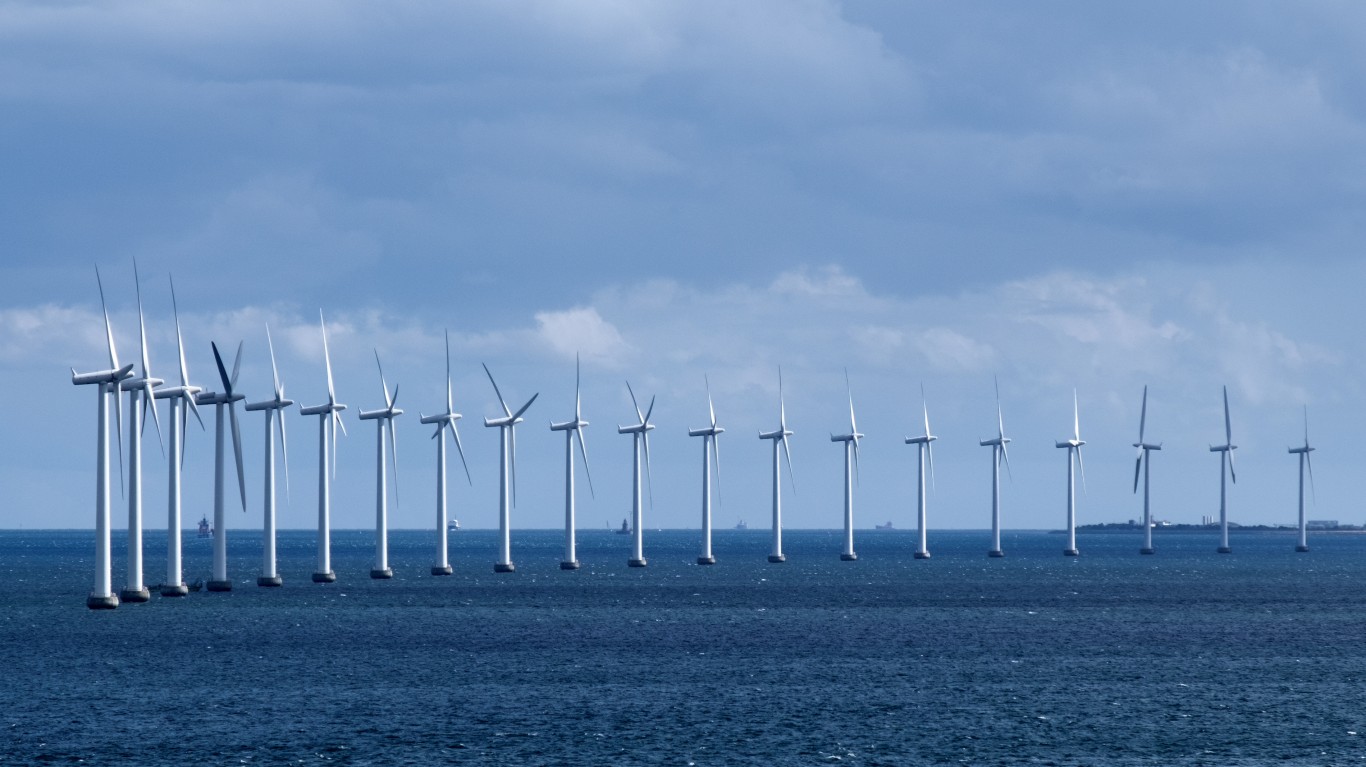
Offshore wind projects that generate no emissions and can generate energy for millions of homes and businesses along the East Coast. They make good old-fashioned horse sense.
They have the potential to open up new opportunities for companies related to the wind energy market, like gear and turbine-maker Broadwind Energy (Nasdaq: BWEN) and Vestas Wind Systems, as several farms are expected to be built in the next two or three years.
Yet even with the political tides in strong favor of offshore wind, there are many factors at play that could push out construction of those wind farms to 2012 and beyond.
The project to watch is Massachusetts’ Cape Wind. The state that brought us the legendarily wasteful Big Dig road tunnel project that still leaks to this day is out in front on wind energy, and will likely be the first to complete a large-scale offshore farm.
It means that for East coast projects to succeed, Cape Wind needs to keep from becoming the “Big Wind”.
The Bay State plan is to put up 130 planned turbines off the coast of Cape Cod that would generate 420 megawatts of power, enough to meet 75 percent of the demand on the Cape, and the islands of Nantucket and Martha’s Vineyard.
At first blush, it would appear to be an elegant solution, since building turbines out at sea would make them less visible along the coastline of one of the nation’s major vacation destinations. And building along the East Coast would put the energy far closer to where it is consumed — past wind proposals placed giant farms in the Midwest.
What’s more, the waters are far shallower than in the Pacific, which would make East Coast projects comparably cheaper than they would be out West.
No doubt, however, big aesthetic and costs concerns remain.
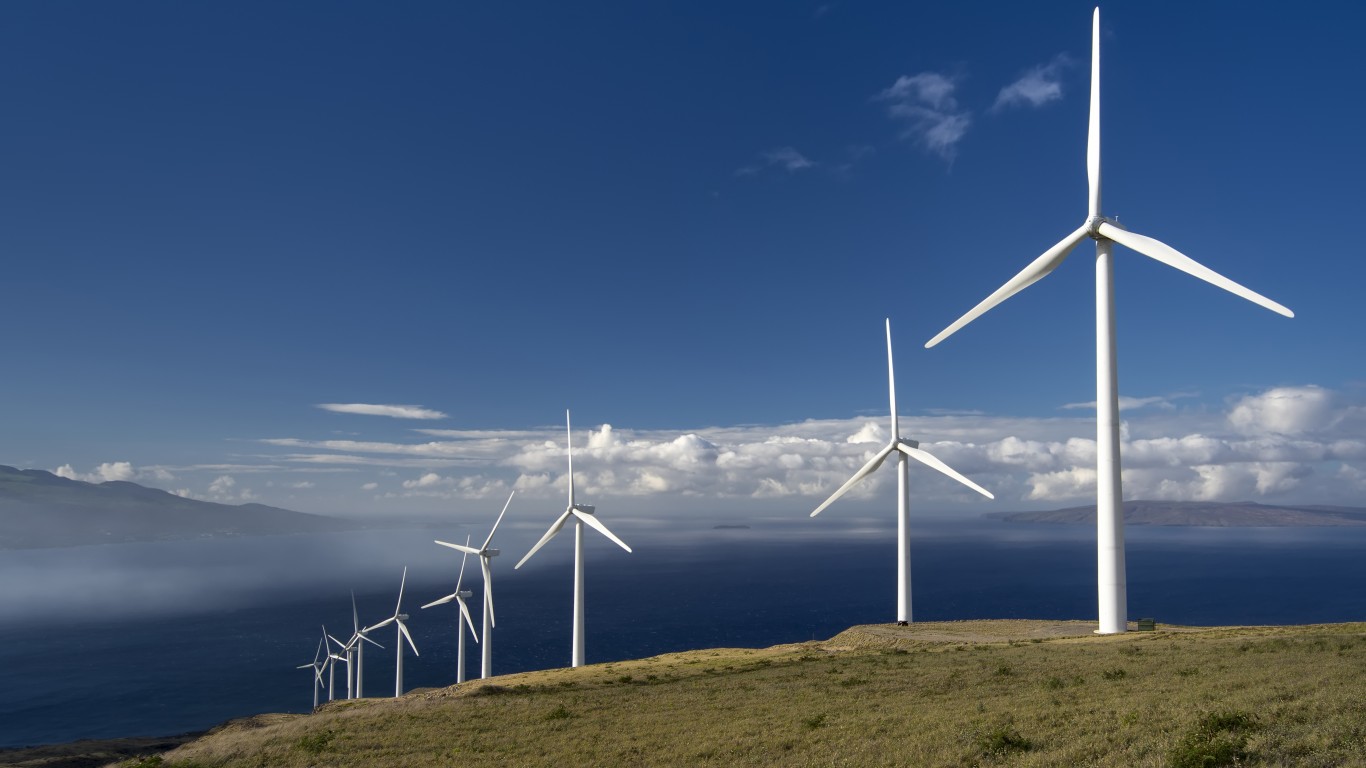
The turbines will still be very visible. Without even mentioning the needed transmission lines, the turbines themselves are 285 feet, taller than the Statue of Liberty. They would have to be moved significantly further out — perhaps 25 miles out to sea – as not to be seen along the shoreline. The further out they are placed, the costs rise significantly.
The issue of who will pay for the turbines is still unresolved. The project is expected to soon get an OK from the U.S. Department of the Interior. The next step will be to find more than $1 billion in a state that is in fiscal shambles.
Federal dollars could help. But that appears more likely for Rhode Island, which is suffering with double-digit unemployment and needs the jobs worse than any state not named Michigan.
Supporters believe strongly that Cape Wind will get funding. But the U.S. lending market is now tightening again. As reported by The Wall Street Journal this week, banks are being stingier with loans, in an effort to preserve capital and stem mounting losses. While Cape Wind is unlikely to be financed by a bank, loan availability is a proxy for the willingness of private enterprise to finance a big and risky project.
After an 8-year battle, Cape Wind is now in the home stretch as far as approvals go. It still faces opposition from some wealthy individuals, and the state’s fishing industry, which could be displaced from the rich fishing grounds at Horseshoe Shoals.
But it still is on track to be the first of many East Coast wind projects up and down the seaboard, including Delaware and New Jersey.
Wind energy supporters best hope the Bay State can avoid a debacle, and stick to the timetable.
Mike Tarsal







 Top Gaining Stocks
 Top Losing Stocks