


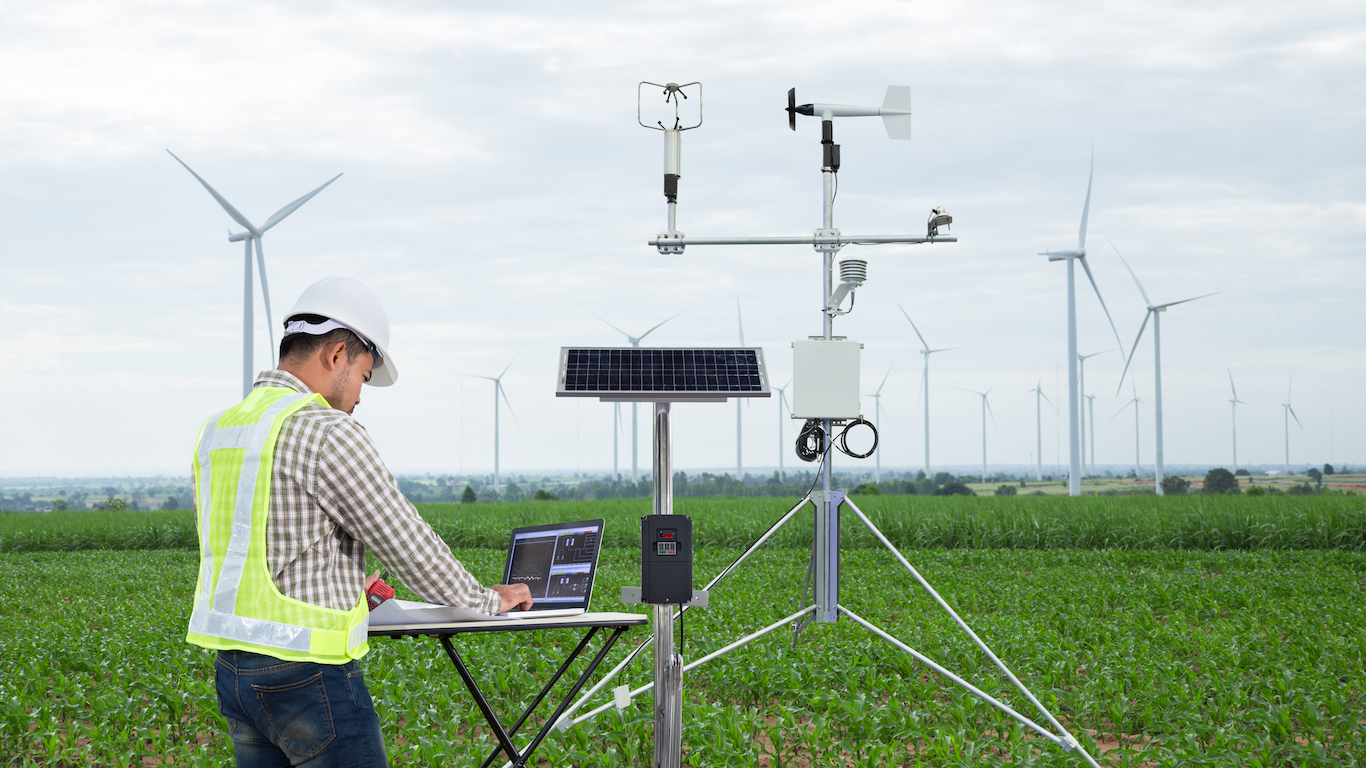
 It was a bad sign when T Boone Pickens gave up, at least partially, on building a mammoth wind farm in Texas. The process was not only going to be expensive; the ability to get the energy from the windmills to large population centers would be complicated by flaws in the electric grid. Wind energy may end up being local for years. Those who want to take advantage of the “green” benefits of turbines may have to live or work near them.
Solar energy is also in the midst of a painful transformation from being the poster child for alternative energy to one in which a number of companies have folded and many others are in deep trouble. Large solar power firm LDK Solar (LDK) posted poor quarterly results and its stock lost almost one-fifth of its value in a day. The recession has cut investment in alternative energy and there is still only limited proof that solar technology can be deployed broadly enough to be a substantial, global new source of energy. One or both of these issues has decreased demand enough so that there is an oversupply of unsold solar panels. Solar energy companies are being squeezed by both falling sales and worsening gross margins.
The latest alternative energy industry that wants to try to draw to an inside straight is the algae biofuels business. Their processes for creating oil that can be used for cars and truck fall into two categories. The first is to grow algae in open ocean water. Algae-eating fish consume the food, process it in their digestive systems, and are killed and harvested for the fuel by-products. The industry calls the process “harvesting” presumably because it does not want to openly admit that it plans to kill millions of fish. The program does have one important advantage. Many forms of algae grow in polluted areas of the ocean. Once the algae become too abundant it apparently is harmful to the ecosystem.
The other approach to harvesting algae is much less complex. One relatively new company, Solazyme, plans to grow algae in dark tanks fed by plant matter. This process is reported to produce a substance that can work in diesel cars and be used in refineries.
The drawback with the algae plans is that none of them seems close to being commercially viable. That means that they may never be viable at all.
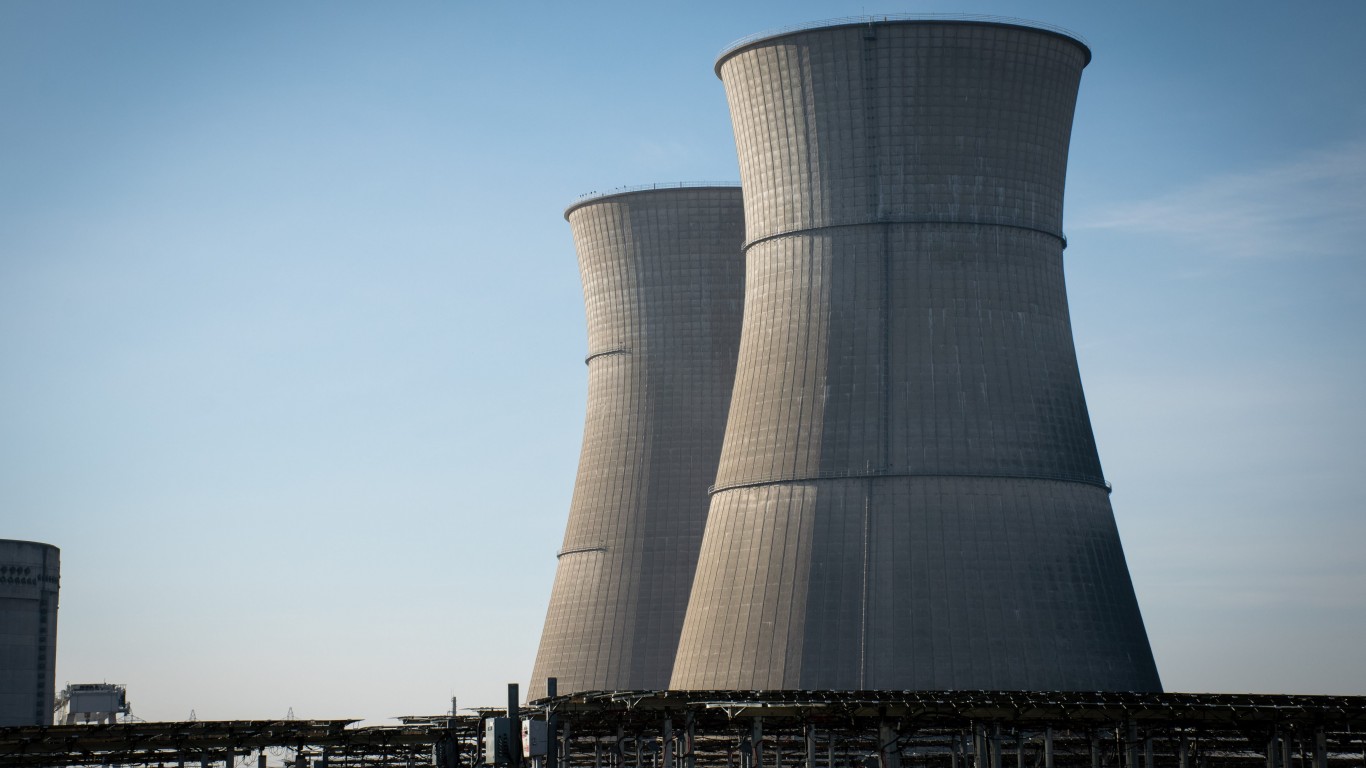
The Administration and Congress remain opposed to going the route that the French have by putting nuclear power facilities all over the country. The specter of Chernobyl, now twenty-two years old, is still too difficult to bear. That leaves the US with coal, water power, and oil, which is fundamentally where American energy supply sources were fifty years ago.
It is incomprehensible that the dire nature of the energy crisis can not change either the behavior of the Administration and Congress or the mad grab for money that businesses and individuals put before sound policy decisions. America needs a comprehensive energy policy. There is no reason that the difficult process of creating this energy policy needs to be as factious as the problem of health care reform. We must not go on year after year without a plan for energy independence because industries and regions of the country will lobby like mad for the billions of dollars in government grants and spending which could be earmarked for new energy sources, or because protesters will take to the streets in Washington to prevent further nuclear power plant development, or due to fears the government will remain paralyzed because of accusations of encroaching socialism.
The system the country has in place now is the sort of economic Darwinism that assumes that the best will make it to the end of the race. This concept does not evaluate that what is best long-term may not look like the winner out of the gate. The ability to seriously consider our long term energy needs and the reality of new energy sources has not been part of the process of deciding which form of alternative energy should get support. One week it is wind power; the next solar power. If America continues with this kind of non-energy policy, it is quite possible that the best horse, in the long run, may not win.
Douglas A. McIntyre







 Top Gaining Stocks
 Top Losing Stocks