


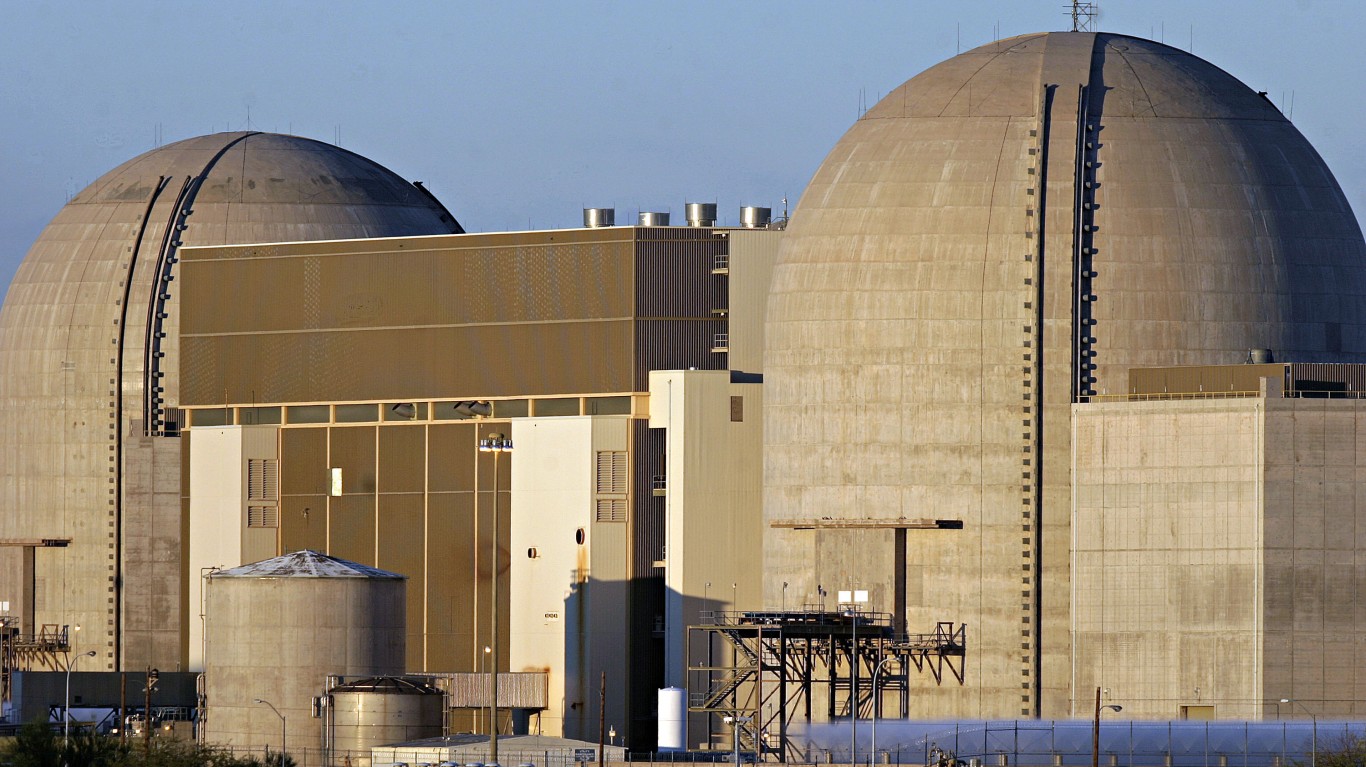
 It’s time for the 3:00 PM “Alternative Energy Daily” for developments in solar and wind power, alternative fuels, and other news related to the sector. As with so much in the past week, alternative energy news is dominated by the partial meltdowns at the Fukushima Daiichi nuclear plant that was struck by both an earthquake and tsunami. Global reaction to the accident came swiftly and almost uniformly. The disaster has caused a pause in the push to build more nuclear power plants to reduce the amount of carbon dioxide emissions that contribute to climate change.
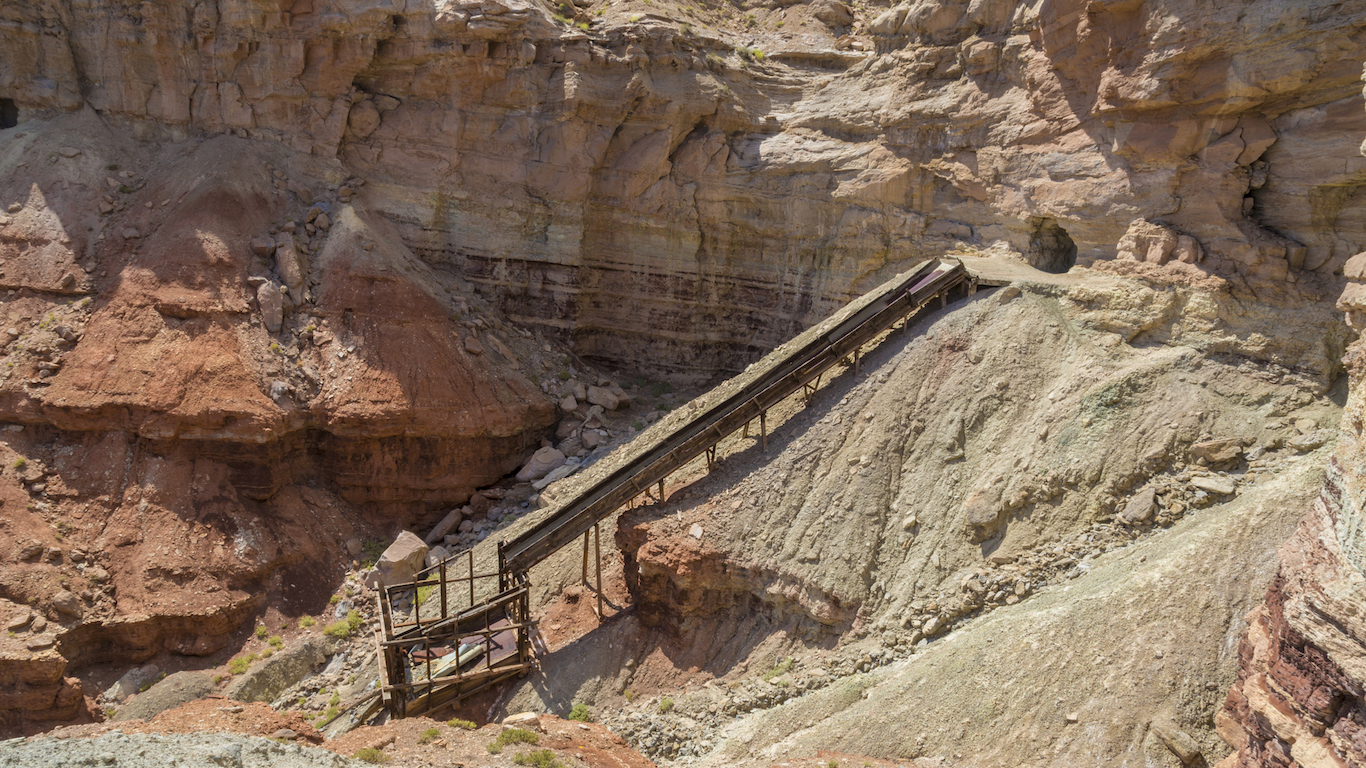
The initial impact fell hardest on uranium miners. Cameco Corp. (NYSE: CCJ) shares fell more than 25% in less than a week before regaining some ground this week. As a group, the uranium miners see the nuclear crisis in Japan as a temporary phenomenon that might last a few months, but all expect the demand for uranium to be strong through the rest of 2011.
The head of Australia’s Paladin Energy Ltd. (OTC: PALAF) expects prices to increase over the next three months, citing shortages that have not gone away as a result of the Japanese accident.
Not everyone shares their rosy outlook. In the UK, a poll sponsored by Friends of the Earth showed that 37% of Britons are now more likely to oppose new nuclear power plants. Nearly half those surveyed expressed worry about the safety of nuclear plants. Less than 10% of those surveyed think nuclear energy should be a priority in the next several years, while 75% believe investments in renewable sources or increased efficiency should be the UK’s investment priority.
Spain’s minister of industry has developed a “concrete plan” for the European Union that would increase the focus on energy efficiency and renewable energy sources, alter the continent’s carbon policies, provide for more interconnection among European energy networks, and offer support for electric cars.
While it is especially comforting now to think that nuclear power generation could slowly disappear, the truth is that, like hydrocarbons, there is no power generation source currently capable of replacing nukes. That does not mean that renewable sources can’t be found; it means only that eliminating nuclear generation, like eliminating hydrocarbons, requires a coherent, attainable, long-term energy policy with a clear path for the next 50-75 years.
A couple of recently announced solar projects deserve mention today as well. First is a concentrating photovoltaic, or CPV, project for India’s Tata Power, which will be constructed by Australia’s Sunengy. The CPV liquid solar array consists of a small number of solar cells mounted behind a Fresnel lens and floating on the surface of a reservoir. CPV technology, though not floating, will also be installed at a 150-megawatt project in southern California by a company called Soitec.
Wind power also made the news with the beginning of construction of a 5-megawatt turbine that is more than 360 feet from blade tip to blade tip to be installed offshore Britain in the Ormonde Offshore Wind Farm. Sweden’s Vattenfall is building the plant.
In biofuels, European bioethanol producers are nearing a decision on whether or not to file a complaint with the European Commission over US subsidies to ethanol imported into Europe. The US gives ethanol makers like Archer Daniels Midland (NYSE: ADM) and Valero Energy Corp. (NYSE: VLO) a $0.45/gallon tax credit that lowers the price for ethanol exported to Europe. Some European ethanol producers are also pressing the European Commission to re-classify bioethanol as an agricultural import, which would automatically jack up the price of imported ethanol in Europe by about 40%.
Paul Ausick





 Top Gaining Stocks
 Top Losing Stocks