


 Two of the world’s largest car makers have announced a development project that could lead to a gasoline/electric hybrid drive train for light trucks and SUVs by the end of the decade. Ford Motor Co. (NYSE: F) and Toyota Motor Corp. (NYSE: TM) have agreed to share development costs, but that’s about all so far.
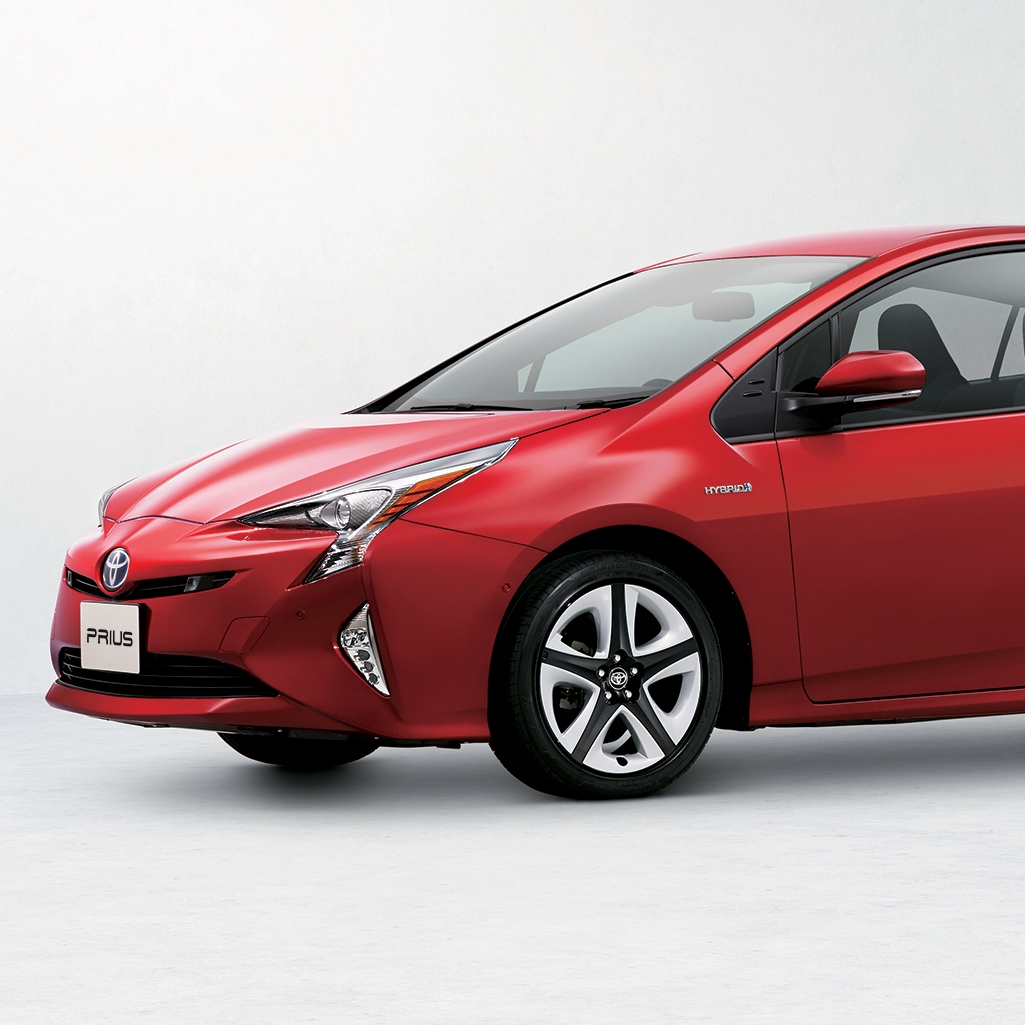
Toyota’s gasoline/electric hybrid Prius is the best-selling hybrid car in the world, so it’s reasonable to assume that the Japanese auto maker will work on figuring out a way to get more power out of the hybrid drive train. Ford’s F-150 pickup truck is the best-selling vehicle in the US, and Ford is likely to have to figure out how to marry a hybrid system to its heavier vehicle. The proposed drive system is expected to operate on rear-wheel drive SUVs as well. Current hybrids operate on front-wheel drive only.
A major impetus for this move has got to be the new US CAFE standard that will require an automaker’s fleet to average 56.5 mpg by 2025. Ford needs to come up with something that will boost the miles/gallon on its best-selling vehicle to help the company fall into line with the new standards.
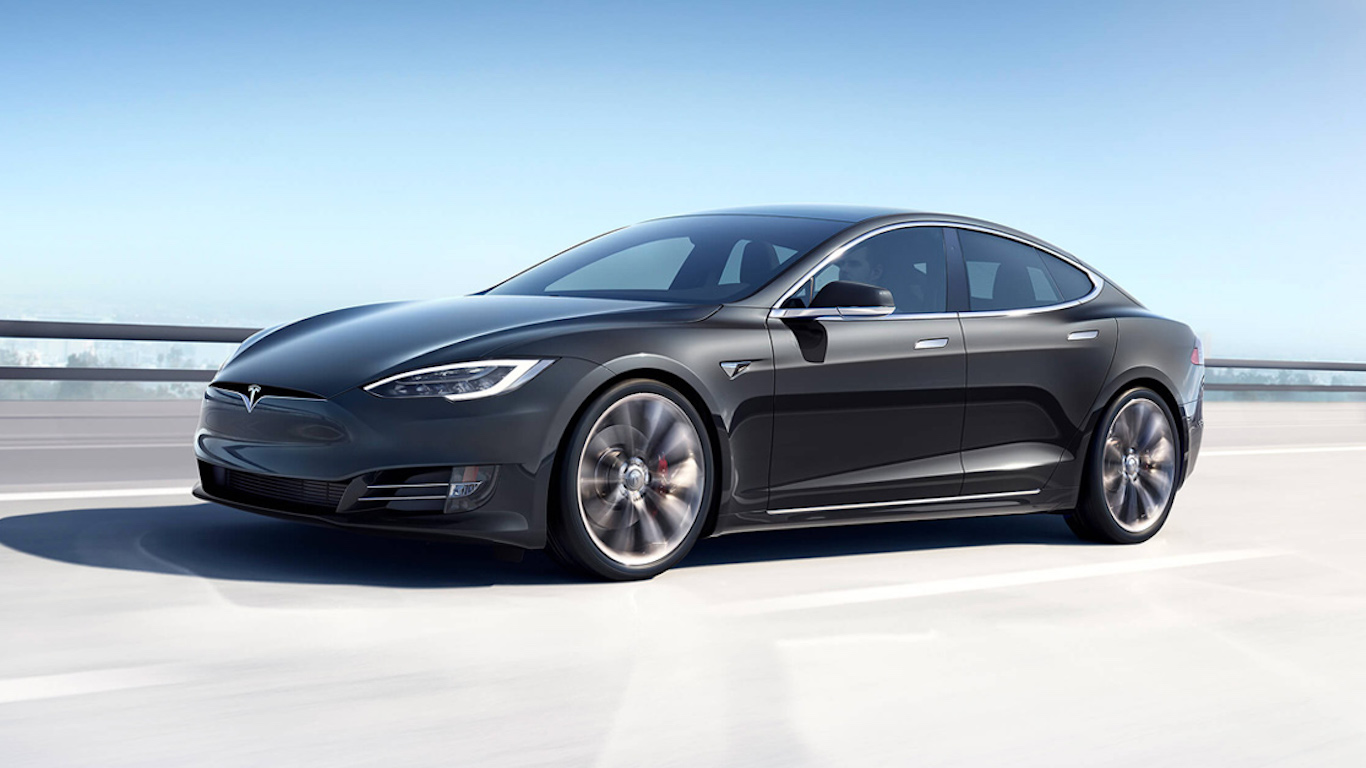
Even though all-electric vehicles can easily top that standard today, so few are sold that the electric cars have no real impact on fleet averages today and that’s not likely to change much over the next decade or so. We recently noted that by 2020 a bare 7.3% of all cars sold will be either hybrids or all-electric vehicles. High sticker prices, short driving ranges (for all-electrics), and other uncertainties related to plug-in electric cars will keep those numbers too low to have much impact on fleet averages by 2025.
Among those uncertainties should be just how much an all-electric car reduces emissions and cost externalities like damage to general health over the full life cycle of a car from a mine-to-junkyard viewpoint. The US National Academy of Sciences’ research arm published a study late last year that indicates that the benefits from all-electric cars may be much less than everyone thinks.
By 2030, the health damage caused by automobile operation through their entire life cycle will cost about 1.4 cents/mile for conventional gasoline engines as opposed to about 1.5 cents/mile for electric cars (whether grid dependent or not). In terms of actual emissions, conventional gasoline-powered cars will be approximately equal with all electric vehicles.
The study underscores the point that incremental improvements to gasoline-powered autos is far likelier to help automakers meet new mileage standards and to meet emissions standards at least as well as all-electric on a cost/mile basis.
The deal between Ford and Toyota could amount to little or nothing. General Motors Co. (NYSE: GM), Chrysler, and BMW developed a similar system a few years ago that has not sold well and is virtually unknown. That could happen to Ford and Toyota as well. But the hybrid system has a far better chance of making a difference than does some all-electric plan.
Paul Ausick






 Top Gaining Stocks
 Top Losing Stocks