


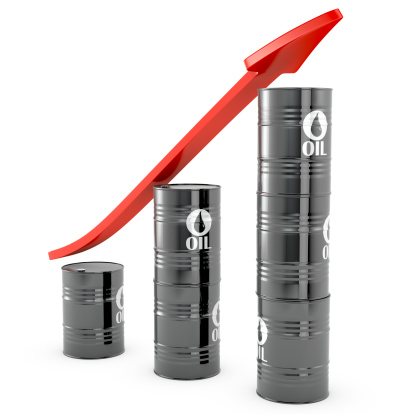
 WTI crude hit a high for the year of just over $110/barrel in February. WTI closed at just under $88/barrel last night. The price for Brent crude has fallen from near $127/barrel to around $103/barrel, a drop of 19%. There are two primary causes for the drop, neither of which is particularly welcome.
The slowly growing global economy has cut the demand for oil even as OPEC and the US produce at near-record levels. OPEC wants to drive the price of Brent to around $100/barrel to prevent what it sees as demand destruction when prices are substantially higher. The cartel is producing at about 2 million barrels/day above its official quota. The crude market is essentially over-supplied.
Whether or not OPEC wants to or can continue to produce at this level is one issue. The other is whether or not global economic activity will pick up. Both the US and Europe consume far less oil than the emerging countries of Asia, particularly China and India. While the European financial mess commands a lot of US attention, Europe’s economy won’t affect demand for oil much one way or the other. China’s slowdown is another story.
The US price for July delivery of WTI remains higher than the price of WTI for delivery in July 2013. That market condition, known as backwardation, typically indicates that further price drops are in store.
Some analysts see WTI falling to $80/barrel or lower, while Brent prices fall to around $95/barrel. Bloomberg cites one analyst from UBS:
The market is oversupplied by around 500,000 barrels a day. The speculative interests are still high in oil. That makes it extremely vulnerable to further deterioration.
Political tension between the US and Iran has dropped, but could flare up at any moment. If and when that happens, crude prices will rise, but not by as much as they have recently fallen. The single thing that will drive oil prices steadily up is a faster growing global economy.
Closer to home, gasoline hit a peak of around $3.40/gallon on the spot market in early April and has fallen steadily to $2.85/gallon as of last week, a drop of about 16%. Gasoline pump prices have fallen from a 2012 high of $3.94/gallon in early April to $3.67/gallon, a drop of just 7%.
Pump prices never fall as fast as they rise, and with refiners having taken a beating in earnings the last couple of quarters, don’t look for a faster price decline now.
Paul Ausick







 Top Gaining Stocks
 Top Losing Stocks