


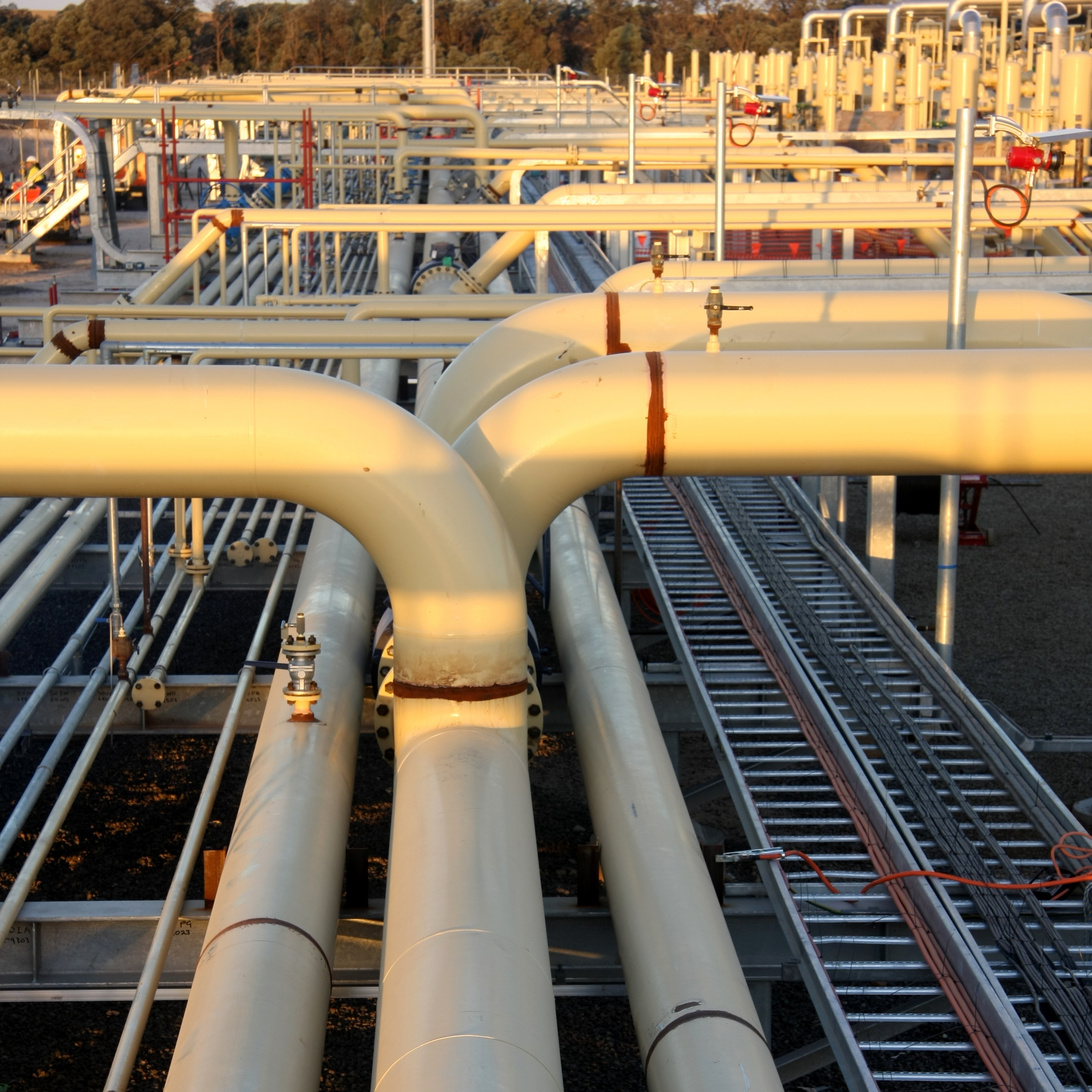
Oil and gas producer Chesapeake Energy Corp. (NYSE: CHK) saw shares drop by about 6.8% in the noon hour Wednesday after the company said earlier in the morning that it had increased the size of a five-year term loan from $1.0 billion to $1.5 billion at an interest rate of Libor plus 7.5% subject to a Libor floor rate of 1%. The company plans to use the proceeds to finance tender offers for unsecured notes. Essentially, the five-year loan improves the company’s financial flexibility by eliminating some debt that is near maturity.
This is another step on the company’s path toward reducing the weight of its massive debt load. Last week Chesapeake shed the last of its properties in the Barnett Shale play in north Texas, reducing its future midstream and downstream commitments by $1.9 billion. Wednesday’s debt sale will also help pay some $400 million to Williams Partners L.P. (NYSE: WPZ) for projected shortfalls in minimum volume commitments.
So why were investors down on the stock Wednesday? The idea that Chesapeake has to borrow more money to pay off debt often has little appeal to investors. In Chesapeake’s defense, however, the new borrowing will add to its cash flow and buy more time for the company to benefit from an increase in the price of natural gas.
And when will that happen? Maybe as early as this winter, as natural gas exports (as liquefied natural gas, or LNG) increase with the startup of the second production train at Cheniere Energy’s Sabine Pass liquefaction terminal. About 1 billion cubic feet per day is set to be liquefied at Sabine Pass, not enough by itself to have a huge impact on pricing, but with some help from colder weather, prices could rise back above $3 per thousand cubic feet and stay there for a while.
[nativounit]
There is also the possibility that production increases will simply push costs down again even if the coming winter is colder than last winter and LNG production increases. U.S. supplies are expected to reach record highs by the end of this year’s injection season in October, further tamping down prices.
Chesapeake has said it expects to divest some $2 billion in assets during 2016 and that will surely help the company’s cash flow. The sale of the Barnett assets is expected to add $200 million to $300 million to operating income through 2019. Now if the company could only do something about revenues.
Shares traded down about 4.3% in the mid-afternoon Wednesday, at $5.66 in a 52-week range of $1.50 to $9.55. The 12-month price target on the shares is $5.25.
[wallst_email_signup]






 Top Gaining Stocks
 Top Losing Stocks