US Has 690 Million Barrels in Petroleum Reserve

Photo of Douglas A. McIntyre
By Douglas A. McIntyre Published
This post may contain links from our sponsors and affiliates, and Flywheel Publishing may receive compensation for actions taken through them.

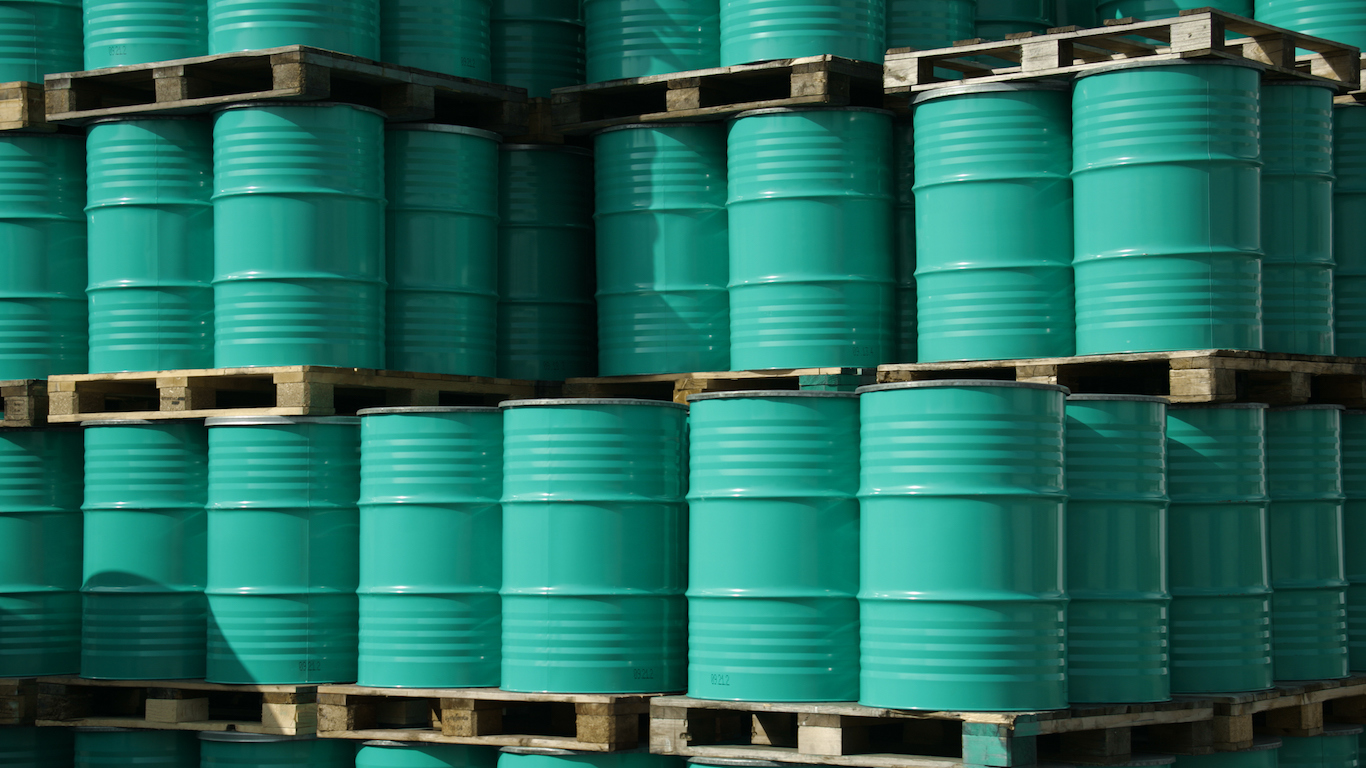
As global oil supply continues to swell, and may do so even more if sanctions against Iran are lifted, it is worth recalling that the United States has over 690 million barrels underground in the Strategic Petroleum Reserve. It is one more huge pool that sets a challenge to rising oil prices, even if it is never used.

The Energy Department gives only a short description of the facilities and the fact that they are rarely used:

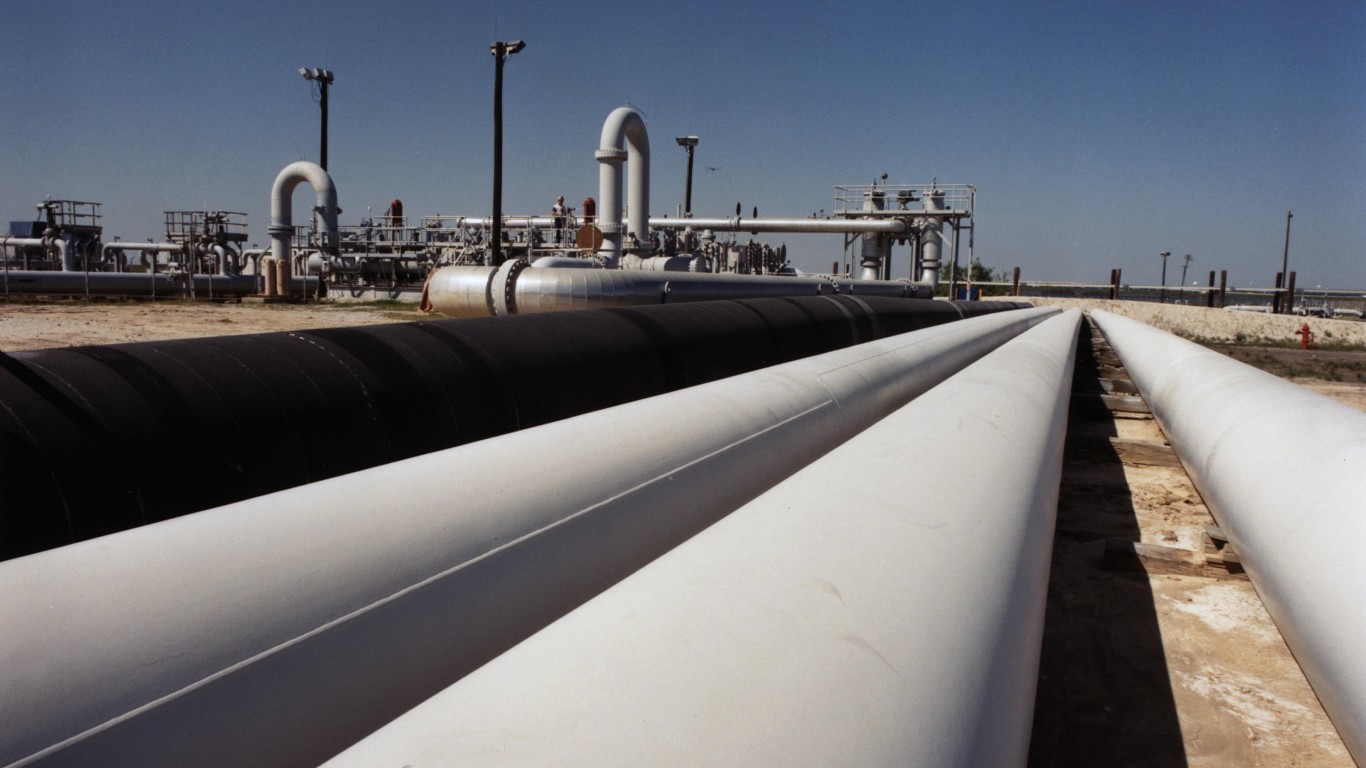
The Strategic Petroleum Reserve (SPR) is the world’s largest supply of emergency crude oil. The federally-owned oil stocks are stored in huge underground salt caverns along the coastline of the Gulf of Mexico.

Decisions to withdraw crude oil from the SPR are made by the President under the authorities of the Energy Policy and Conservation Act. In the event of an energy emergency, SPR oil would be distributed by competitive sale. The SPR has been used under these circumstances only three times, most recently in June 2011 when the President directed a sale of 30 million barrels of crude oil to offset disruptions in supply due to Middle East unrest. The United States acted in coordination with its partners in the International Energy Agency (IEA). IEA countries released all together a total of 60 million barrels of petroleum. The SPR’s formidable size (capacity of 727 million barrels) makes it a significant deterrent to oil import cutoffs and a key tool of foreign policy.

The media regularly report on huge supplies of oil sitting in supertankers. According to The Wall Street Journal, some of these ships have been sent around the world to fetch oil to top off the strategic reserves in India and China. The net effect is that the United States is not the only large nation with oil to spare as it is held in huge caverns in remote areas owned by the government.

ALSO READ: U.S. Summer Gasoline Prices Projected at 11-Year Low

National oil reserves have become belt and suspender facilities. In the current environment, crude cannot possibly be a source of leverage, one country against another, or one region against another, because the wildly high supply is too broadly distributed. However, the growth and total size of these strategic reserves does take a future threat, in a world when crude is to so plentiful, off the table. The leverage the reserves provide is even greater because oil deposited in them now can be bought so inexpensively.

In the past, even the discussion of use of the Strategic Petroleum Reserve has kept oil prices increases in check. That will not need to happen again for a very long time, if ever, should forecasts of the oil glut be correct.


Photo of Douglas A. McIntyre
About the Author Douglas A. McIntyre →

Douglas A. McIntyre is the co-founder, chief executive officer and editor in chief of 24/7 Wall St. and 24/7 Tempo. He has held these jobs since 2006.

McIntyre has written thousands of articles for 24/7 Wall St. He is an expert on corporate finance, the automotive industry, media companies and international finance. He has edited articles on national demographics, sports, personal income and travel.

His work has been quoted or mentioned in The New York Times, The Wall Street Journal, Los Angeles Times, The Washington Post, NBC News, Time, The New Yorker, HuffPost USA Today, Business Insider, Yahoo, AOL, MarketWatch, The Atlantic, Bloomberg, New York Post, Chicago Tribune, Forbes, The Guardian and many other major publications. McIntyre has been a guest on CNBC, the BBC and television and radio stations across the country.

A magna cum laude graduate of Harvard College, McIntyre also was president of The Harvard Advocate. Founded in 1866, the Advocate is the oldest college publication in the United States.

TheStreet.com, Comps.com and Edgar Online are some of the public companies for which McIntyre served on the board of directors. He was a Vicinity Corporation board member when the company was sold to Microsoft in 2002. He served on the audit committees of some of these companies.

McIntyre has been the CEO of FutureSource, a provider of trading terminals and news to commodities and futures traders. He was president of Switchboard, the online phone directory company. He served as chairman and CEO of On2 Technologies, the video compression company that provided video compression software for Adobe’s Flash. Google bought On2 in 2009.

Continue Reading

Top Gaining Stocks

CBOE Vol: 1,568,143
PSKY Vol: 12,285,993
STX Vol: 7,378,346
ORCL Vol: 26,317,675
DDOG Vol: 6,247,779

Top Losing Stocks

LKQ
LKQ Vol: 4,367,433
CLX Vol: 13,260,523
SYK Vol: 4,519,455
MHK Vol: 1,859,865
AMGN Vol: 3,818,618