


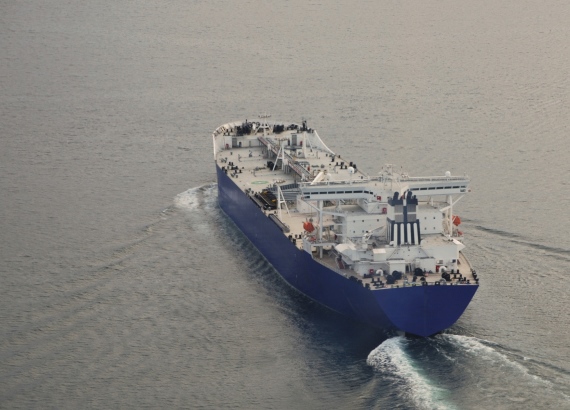
While not all energy products are banned, the list for products that can be exported is extremely short. Following a decade when U.S. oil production was flat, the private sector exploded production over the past five years, helping to wrest pricing control away from OPEC. In fact, today the United States is the world’s largest exporter of petroleum products, with exports of gasoline topping 500,000 barrels per day last year, and it will soon start to export large volumes of liquid natural gas (LNG) to the global markets.
A new and very well-done research report from Merrill Lynch examines how the shale revolution has totally changed the dynamics in U.S. energy, and how it has in turn been credited with lowering global oil prices. This is in addition to improving U.S. trade balances and helping to contribute to strong economic growth in various regions of the country.
ALSO READ: The 6 Stocks Punishing the Dow in 2015
At Merrill Lynch’s recent 2015 U.S. Energy Policy Conference in Washington D.C., many politicians and policy makers who were presenting spoke candidly and apparently openly about growing support for the removal of the archaic 40-year-old crude oil export ban, as well as fast tracking LNG export permits and opening up more offshore drilling.
The Merrill Lynch team also presented six very concrete reasons why the ban should be lifted. They think that it is not out of the question for the ban to be lifted within the next year. This could clearly help job growth and what is a very sluggish economy, as evidenced by the final gross domestic product revision for the first quarter that came in at a pathetic -0.7%.
Merrill Lynch’s reasons are:
1) The fall in domestic gasoline prices from over $4 in some parts of the country to under $2 recently is huge. While prices have drifted higher, they are still much lower than over the past five years. This reduces the political costs of ending the ban. And what politician doesn’t always consider that first?
2) With a treaty being negotiated with Iran that would allow that country to resume exporting oil around the world, it would be very difficult for anybody to rationalize preventing American companies from being able to sell in world markets. The Merrill Lynch team dubs it Kafkaesque, which is exactly what it would be.
ALSO READ: 10 Stocks to Own for the Next Decade
3) They see the collapse in prices as slowing down America’s path to energy independence. Removing the ban would increase production again and also keep economic growth from stalling.
4) With the Republican Party in firm control of both houses of Congress, the legislation that would be introduced to remove the ban would have, at least seemingly, a much better chance of passing.
5) While it sometimes is difficult to see, the Merrill Lynch team feels that there is a renewed spirit of bipartisanship starting to return to Congress. They rightfully point out that members of Congress, and especially the newest members, want to show that they can legislate. Voters have spoken through polls that they are not pleased with Congress, and the members likely are well aware of this.
6) With oil viewed as a key nonlethal weapon, and a solid bipartisan foreign policy argument, it seems the energy exporters are finally being considered with the impact they can have on the country’s overall economics. Yes the president can veto any bill overturning the ban, but with a stagnant economy, anything to bolster exports and help to keep the trade imbalance declining would seemingly look like a win-win situation for all involved.
There of course will be shrill voices who will breathlessly argue that we need any and all production to remain here at home. But again, given the likelihood that Iran may soon be allowed to export again, that would be a very tough sell to an American public that is enjoying some of the lowest at-the-pump pricing in years.
ALSO READ: RBCs 5 Top Drillers and Oilfield Services Stocks to Buy









 Top Gaining Stocks
 Top Losing Stocks