


 OPEC is once more rattling the saber of crude oil production cuts in an effort to prop up the price of the black stuff. Whether the cartel will be successful in its aims is open to question. OPEC has a notoriously bad record when it comes to acting as a single entity. Each of the 13 members has its own agenda, and getting those agendas to mesh is nearly impossible.
What this means for US consumers is also difficult to judge. OPEC supplied about 45% of US oil imports in September 2008, the most recent month for which EIA figures are available (total production figures come from OPEC’s Monthly Oil Market report for October 2008). Here’s the chart for September:
US Imports Total Production
Saudi Arabia 1,431,000 barrels/day 9,377,000 barrels/day
Venezuela 1,051,000 2,326,000
Algeria 657,000 1,407,000
Nigeria 591,000 1,999,000
Iraq 543,000 2,233,000
Angola 416,000 1,769,000
Ecuador 233,000 503,000
Kuwait 115,000 2,593,000
Libya 59,000 1,718,000
Indonesia 31,000 850,000
Qatar 2,000 855,000
Iran 0 3,925,000
UAE 0 2,603,000
Total OPEC production for September was down about 309,000 b/d from August. US imports of 5.13 million b/d from OPEC nations is at its lowest point since 2005.
Venezuela, whose president is calling the loudest for cutting production, sells nearly half its production to the US. Most of the rest is refined in Venezuela because only the US and Venezuela have refineries designed to process the goo that is pumped from the Orinoco Basin. Some 90% of the country’s export earnings, about 50% of the government budget, and 30% of GDP come from oil. Any production cuts by Venezuela will almost certainly need to come at the expense of domestic supplies because the country needs the export income from the US. That will not sit well with the local population.
The Iranians export virtually all their crude production and then purchase refined product from neighboring countries because Iran does not have the refining capacity to meet its needs. Iran is so desperate for export income that it is looking to build nuclear power generation plants to replace the oil-fired plants it now has. Cutting production may be the politically preferred policy, but the strain on Iran’s economy would be enormous. About 85% of government revenue comes from oil. High unemployment and inflation have curbed Iran’s growth, even as its foreign exchange balance has risen.
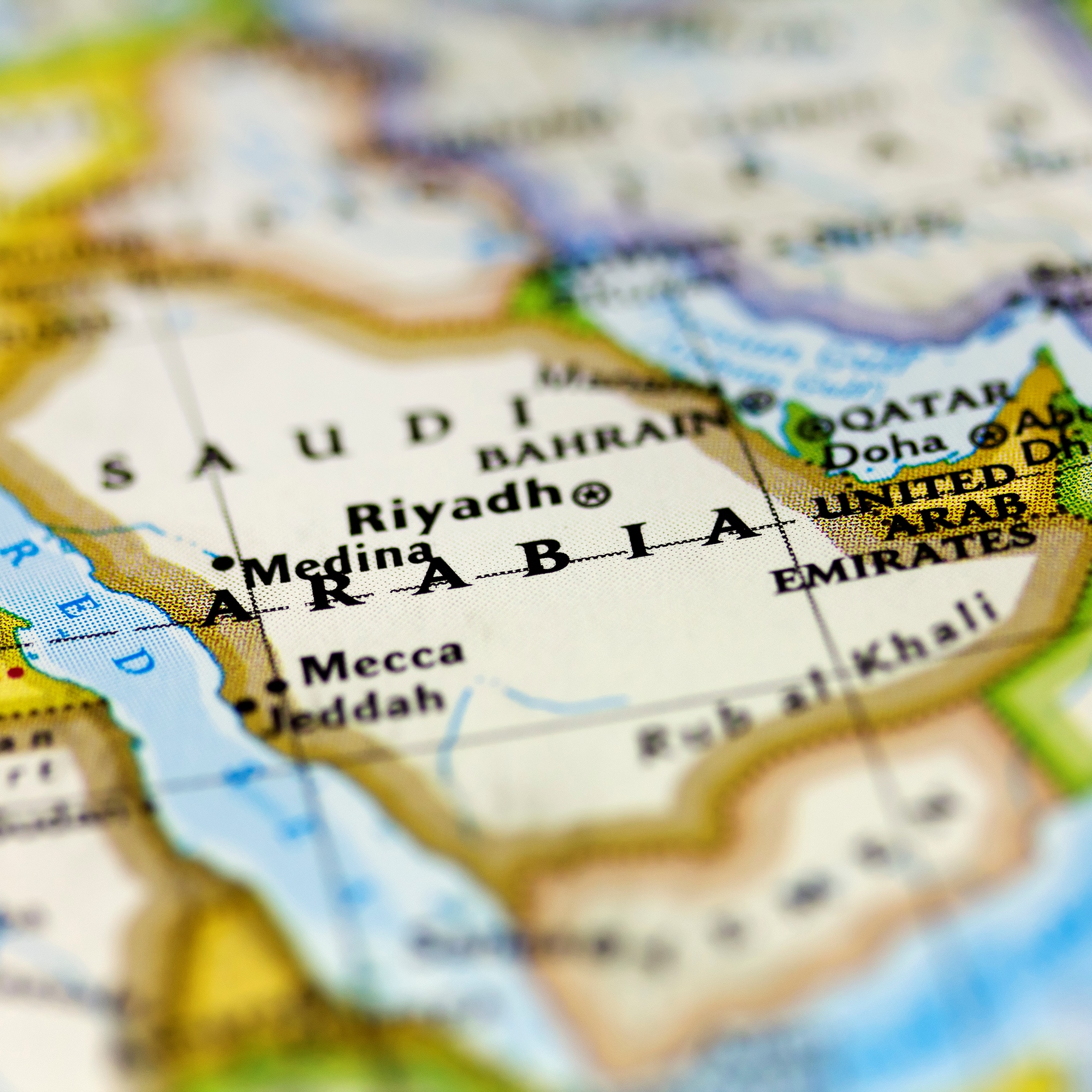
As for the Saudis, about 90% of export revenue and 45% of GDP comes from oil. The government faces a significant demographic problem that oil revenues help meet: about 40% of the country’s population is under 15 years old, and as these kids hit the job market, they have little training and no prospects. The Saudi government needs to keep spending to fix this problem, and to encourage private sector growth in the country. Neither will respond well to lower oil revenues.
In the short term, OPEC may want to boost prices, but cutting production is not in the best interests of many of the members. Thus, a serious effort to prop up prices by cutting production just doesn’t seem to be in the cards. In the longer term, production cuts may be forced on OPEC as consumption continues to fall. While this may appear to be a case of "what goes around, comes around," long-term instability in the Middle East and South America is not in anyone’s best interest.
Paul Ausick
December 2, 2008







 Top Gaining Stocks
 Top Losing Stocks