


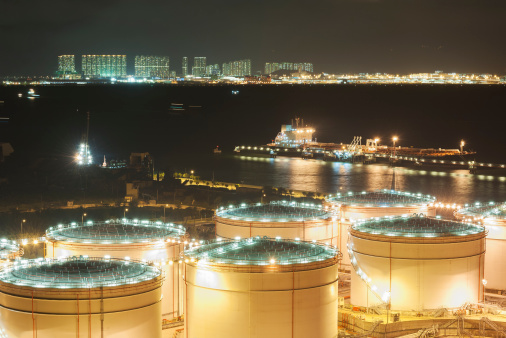
While the total is well short of the peak of 727 million barrels stored in 2010 (the SPR’s maximum capacity), the noteworthy point to make about the additions is that this is oil that could have been added to the nation’s commercial stockpiles if it hadn’t been diverted into the SPR. By keeping the oil out of commercial markets, surplus production totals were moderated slightly.
The arguments for and against the maintenance of the U.S. SPR in some ways echo the calls for the federal government to lift the ban on exports of U.S. crude. In the eight years of the presidential administration of George W. Bush, the SPR grew from about 541 million barrels in January of 2001 to full capacity of 727 million barrels at the end of 2009. The Obama administration released about 30 million barrels in 2011 as part of a 60-million barrel release from global strategic reserves. Another 5 million barrels were sold in March 2014 as a message to Russian President Vladimir Putin following Russia’s incursion in Ukraine.
By adding to the SPR, the Department of Energy, deliberately or not, is propping up the price of crude oil. As long as that is the effect, perhaps it makes more sense to allow producers to export crude oil. After all, the effect on U.S. oil prices should be roughly the same, and it allows U.S. producers to fight back against the market share war being waged by OPEC. Who knows, exporting oil might even keep pump prices down in the United States.
ALSO READ: 6 Huge Reasons the Crude Oil Export Ban Could Be Gone Soon
Gasoline prices may already have reached a peak for the U.S. summer driving season, according to GasBuddy. According to AAA, a gallon of regular gasoline averaged $2.75 a week ago and $2.745 currently. Pump prices are down 2% just since Memorial Day.







 Top Gaining Stocks
 Top Losing Stocks